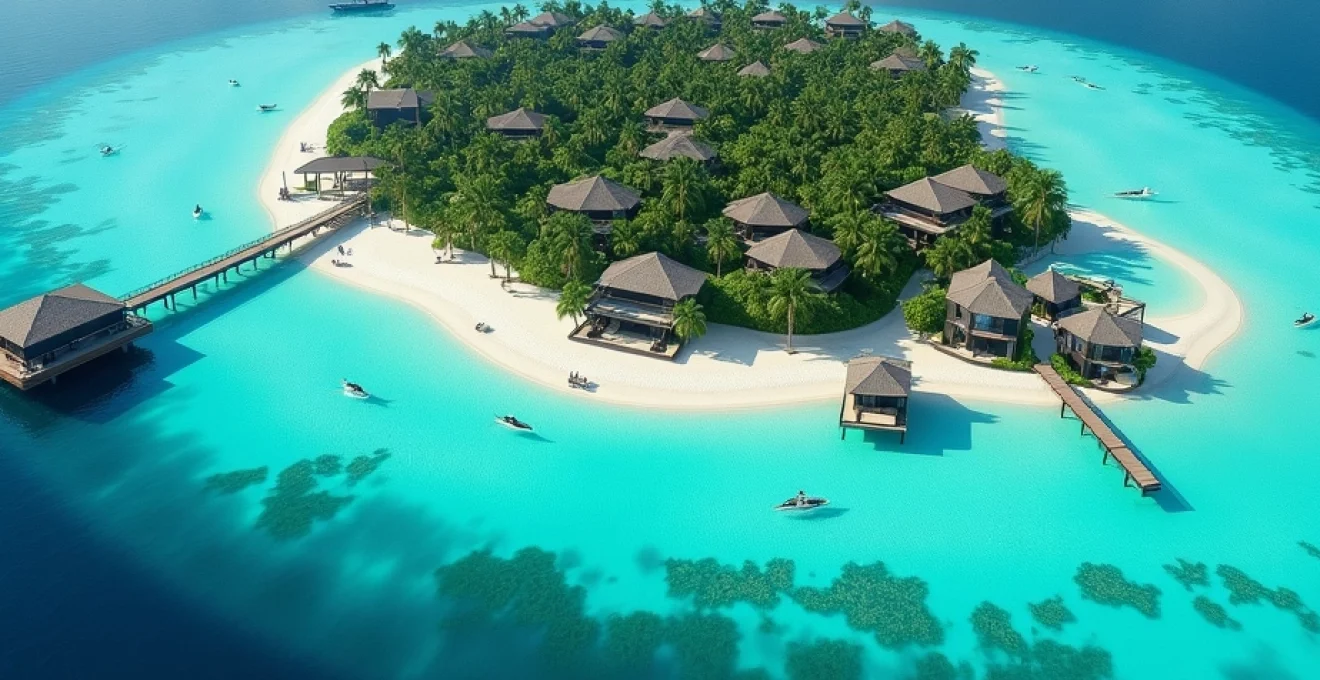
The Maldives represents the pinnacle of tropical luxury and natural beauty, standing as one of the world’s most coveted destinations for discerning travelers. This extraordinary archipelago of 1,192 coral islands, scattered across 26 natural atolls in the Indian Ocean, offers an unmatched combination of pristine marine ecosystems, innovative resort engineering, and year-round tropical perfection. From the moment you arrive via seaplane over crystal-clear lagoons, the Maldives reveals itself as a destination where nature’s artistry meets human ingenuity in perfect harmony.
What transforms the Maldives from merely beautiful to absolutely extraordinary is its unique position as both a marine biodiversity hotspot and a showcase of sustainable luxury hospitality. The nation’s commitment to preserving its delicate ecosystem while providing world-class accommodations creates an experience that satisfies both environmental consciousness and the desire for unparalleled luxury. Every aspect of the Maldivian experience has been carefully crafted to maximize the natural advantages of this remarkable island nation.
Unparalleled marine biodiversity and coral reef ecosystems
The Maldives sits atop a massive underwater mountain range, creating ideal conditions for some of the planet’s most diverse and vibrant coral reef systems. This unique geological foundation supports over 2,000 species of fish, 21 species of whales and dolphins, and more than 187 species of hard corals. The archipelago’s position straddling the equator in nutrient-rich waters creates a marine paradise that attracts species from both the Indian and Pacific Oceans.
The coral formations here represent millions of years of continuous growth, creating complex three-dimensional structures that serve as nurseries for countless marine species.
The Maldives coral reefs function as underwater cities, supporting intricate food webs and providing shelter for everything from microscopic plankton to massive whale sharks.
The health and diversity of these ecosystems make the Maldives a living laboratory for marine biologists and a wonderland for underwater enthusiasts.
Pristine coral atolls of south malé and baa atoll UNESCO biosphere reserve
South Malé Atoll showcases some of the most accessible yet pristine coral formations in the archipelago. The atoll’s strategic location and diverse underwater topography create microclimates that support different coral species at varying depths. The coral gardens here display a spectacular array of colors and formations, from delicate branching staghorn corals to massive table corals that can span several meters.
Baa Atoll holds the prestigious designation as a UNESCO Biosphere Reserve, recognizing its exceptional biodiversity and the successful integration of conservation with sustainable tourism. This protected area encompasses critical habitats for endangered species and serves as a breeding ground for numerous marine animals. The atoll’s unique circular shape and deep lagoon create ideal conditions for both coral growth and large pelagic species aggregations.
Manta ray aggregation sites at hanifaru bay and manta point
Hanifaru Bay represents one of the world’s most significant manta ray feeding aggregations, where these gentle giants gather in numbers that can exceed 200 individuals during peak season. The bay’s unique funnel shape concentrates plankton-rich currents, creating a natural feeding station that attracts mantas from across the Indian Ocean. Swimming alongside these magnificent creatures provides an almost spiritual connection with one of the ocean’s most intelligent inhabitants.
Manta Point in South Malé Atoll offers another world-class encounter opportunity, where reef mantas gather year-round for feeding and cleaning activities. The site’s consistent manta presence and excellent visibility make it a premier destination for both snorkelers and divers seeking close encounters with these graceful marine giants.
Whale shark migration corridors in south ari atoll
South Ari Atoll serves as a crucial waypoint along whale shark migration routes, hosting the largest fish in the ocean throughout much of the year. The atoll’s nutrient-rich waters and favorable currents create feeding opportunities that keep these massive filter feeders in the area for extended periods. Juvenile whale sharks particularly favor the atoll’s protected waters, making it one of the most reliable places on Earth to encounter these magnificent creatures.
The whale shark aggregations here have been the subject of extensive scientific research, revealing important insights into the behavior and ecology of these poorly understood giants. Encounters with whale sharks in the Maldives often occur in relatively shallow water, providing unparalleled opportunities for photography and observation.
Endemic fish species distribution across 26 natural atolls
The Maldives’ isolation in the Indian Ocean has led to the evolution of several endemic fish species found nowhere else on Earth. These unique species have adapted to the specific conditions of Maldivian reefs over thousands of years. The Maldive anemonefish, with its distinctive dark coloration and white markings, represents one of the most recognizable endemic species.
Each atoll system supports slightly different species compositions based on local environmental conditions such as depth, current patterns, and coral types. This biodiversity gradient creates opportunities to encounter different species assemblages as you move between atolls, making each diving or snorkeling experience unique and rewarding.
Exclusive overwater villa architecture and luxury resort engineering
The overwater villa concept, now synonymous with luxury tropical travel, reached its zenith in the Maldives through decades of architectural innovation and engineering excellence. These structures represent far more than simple accommodation; they embody a philosophy of living in harmony with the marine environment while providing unprecedented luxury and privacy. The engineering challenges of building over water in a tropical marine environment have pushed architects and builders to develop revolutionary construction techniques and materials.
Modern overwater villas incorporate advanced materials science, utilizing marine-grade composites and specially treated timbers that can withstand constant exposure to salt water, tropical storms, and intense UV radiation.
The best overwater villas seamlessly integrate indoor and outdoor living, creating spaces where the boundary between accommodation and ocean virtually disappears.
This architectural evolution has transformed the way luxury travelers experience tropical destinations worldwide.
Stilted bungalow construction techniques for lagoon integration
Traditional Maldivian construction techniques have been refined and modernized to create overwater structures that minimize environmental impact while maximizing guest experience. The stilted foundation systems use specially designed pilings that avoid damage to coral formations while providing rock-solid stability in challenging marine conditions. These foundations must account for tidal variations, storm surge, and the constant motion of the ocean.
Advanced engineering ensures that these structures can withstand tropical cyclones while maintaining the delicate balance required for marine ecosystem preservation. The construction process itself has been refined to minimize disruption to marine life, with many resorts timing construction activities to avoid critical breeding and feeding periods for local wildlife.
Sustainable desalination systems and solar energy infrastructure
The challenge of providing fresh water and electricity on remote coral islands has driven remarkable innovations in sustainable technology. Modern Maldivian resorts operate sophisticated reverse osmosis desalination plants that transform seawater into crystal-clear drinking water meeting international quality standards. These systems process thousands of gallons daily while minimizing energy consumption through advanced membrane technology and energy recovery systems.
Solar energy infrastructure has become increasingly sophisticated, with many resorts achieving significant energy independence through strategically positioned photovoltaic arrays. The consistent tropical sunlight provides ideal conditions for solar power generation, with some resorts producing excess energy during peak daylight hours for storage and nighttime use.
Infinity pool design and Glass-Floor observatory features
Infinity pools in overwater villas create the illusion of water flowing directly into the ocean, establishing a visual connection between the villa and the surrounding lagoon. These architectural features require precise engineering to maintain water levels and circulation while creating the desired aesthetic effect. The psychological impact of swimming in an infinity pool suspended over a coral reef cannot be overstated, providing guests with a truly unique luxury experience.
Glass-floor panels integrated into villa floors and decks offer continuous observation opportunities of the marine life below. These specialized viewing windows use marine-grade tempered glass capable of supporting significant weight while providing crystal-clear underwater views. The glass must be regularly maintained to prevent marine growth while ensuring visitor safety.
Private jetty access and seaplane landing platform integration
Each overwater villa typically features private jetty access, allowing guests to step directly from their accommodation into watercraft for excursions and activities. These private docks must be engineered to accommodate various vessel types while minimizing impact on surrounding coral formations. The convenience of direct water access transforms the guest experience, eliminating the need for crowded communal departure points.
Seaplane landing platforms represent marvels of marine engineering, providing stable landing and takeoff surfaces in constantly moving water. These platforms must withstand the impact forces of aircraft while maintaining precise positioning for safe operations. The integration of these facilities with resort infrastructure requires careful planning to balance operational efficiency with aesthetic considerations.
Crystal clear lagoon waters and pristine beach morphology
The extraordinary clarity and color of Maldivian waters result from a unique combination of geological, biological, and physical factors that create some of the most pristine marine environments on Earth. The absence of major landmasses, rivers, or industrial development means these waters remain largely untainted by sediment, pollutants, or nutrient runoff that typically cloud coastal waters elsewhere. The coral sand bottom acts as a natural filter, continuously purifying the water through biological and physical processes.
The distinctive turquoise color that defines Maldivian lagoons occurs due to the specific depth and bottom composition of these protected waters. Light penetration through crystal-clear water interacts with white coral sand to produce the ethereal blues and greens that have become synonymous with tropical paradise. This optical phenomenon is enhanced by the pure quality of the water, which allows light to penetrate to greater depths with minimal distortion or absorption.
The beach morphology of Maldivian islands represents millions of years of coral growth and wave action, creating some of the finest natural sand beaches in the world.
Maldivian beaches consist entirely of coral sand, created through the natural breakdown of coral skeletons and the biological activity of parrotfish and other marine organisms.
This continuous process of sand creation and redistribution ensures that beaches remain pristine and naturally replenished, unlike many tropical destinations that require artificial beach nourishment.
Tropical climate optimization and Year-Round weather patterns
The Maldives benefits from an equatorial climate that provides consistently warm temperatures and abundant sunshine throughout the year, making it a reliable destination regardless of travel timing. Located just north and south of the equator, the archipelago experiences minimal seasonal temperature variation, with air temperatures typically ranging between 24°C and 31°C year-round. This climate stability, combined with the moderating influence of surrounding ocean waters, creates ideal conditions for both relaxation and water activities.
The tropical climate here is characterized by two distinct monsoon seasons that bring different advantages for various types of activities and experiences. Understanding these seasonal patterns allows visitors to optimize their travel timing based on personal preferences for weather conditions, wildlife encounters, and activity availability. The consistent warmth and generally favorable conditions make the Maldives one of the few destinations where swimming, diving, and water sports remain comfortable throughout the entire year.
Monsoon season dynamics and dry northeast monsoon advantages
The northeast monsoon, occurring from November through April, brings the driest and most stable weather conditions to the Maldives. During this period, winds are generally lighter, seas calmer, and rainfall minimal, creating optimal conditions for water activities and outdoor relaxation. Visibility underwater reaches its peak during these months, often exceeding 30 meters, making it the preferred time for diving and underwater photography.
The southwest monsoon, from May through October, brings more variable weather patterns with increased rainfall and stronger winds. However, this period also offers unique advantages, including lower accommodation rates, fewer crowds, and excellent surfing conditions on appropriate breaks. The increased nutrients brought by monsoon currents can actually enhance marine life encounters, particularly for larger pelagic species.
Consistent 26-30°C water temperature maintenance
One of the most remarkable features of the Maldivian marine environment is the consistent water temperature that rarely varies more than a few degrees throughout the year. This thermal stability creates ideal conditions for coral growth and maintains comfortable conditions for extended water activities without the need for thick wetsuits. The consistent warmth supports the diverse marine ecosystems that make the Maldives famous among underwater enthusiasts.
Water temperature consistency also ensures that thermal layers don’t stratify significantly, maintaining good water circulation and oxygen levels throughout the water column. This circulation supports the health of coral reefs and provides excellent diving conditions at various depths without the thermal barriers encountered in many other tropical destinations.
UV index management and natural sun protection factors
The equatorial location of the Maldives results in intense solar radiation throughout the year, with UV index levels frequently reaching extreme levels during midday hours. Understanding and managing sun exposure becomes crucial for enjoying extended periods outdoors in this tropical paradise. The combination of direct sunlight and reflection from white sand and water surfaces can intensify UV exposure significantly.
Natural sun protection strategies, including the strategic use of palm tree shade and overwater villa design features, help mitigate intense solar radiation while allowing guests to enjoy outdoor activities safely. Many resorts have incorporated UV-filtering materials and strategic shading into their architectural designs to provide natural protection while maintaining open-air tropical aesthetics.
Geographic isolation and strategic indian ocean positioning
The Maldives’ position in the heart of the Indian Ocean, approximately 600 kilometers southwest of Sri Lanka, creates a sense of complete isolation from the outside world that enhances its appeal as an escape destination. This geographic separation from major landmasses contributes to the pristine nature of its marine environment while creating a psychological sense of being truly removed from everyday concerns and distractions. The journey to reach the Maldives becomes part of the experience, as the transition from urban environments to tropical paradise feels complete and transformative.
The archipelago’s strategic position along major Indian Ocean shipping routes has historically made it a waypoint for traders and travelers, contributing to its cultural diversity while maintaining its essential character. Modern air transportation has made the Maldives more accessible while preserving the sense of remoteness that makes it special.
The isolation that once made the Maldives difficult to reach now serves as one of its greatest assets, providing visitors with an unparalleled sense of escape and exclusivity.
This positioning continues to attract visitors seeking complete disconnection from the pressures of modern life.
World-class diving sites and underwater topography
The underwater topography of the Maldives creates some of the most diverse and spectacular diving conditions found anywhere in the world’s oceans. The combination of protected lagoons, dramatic drop-offs, current-swept channels, and pristine coral formations provides diving opportunities suitable for every skill level and interest. The geological foundation of ancient volcanic activity has created underwater mountain ranges, deep channels, and complex reef systems that support extraordinary biodiversity.
The variety of diving environments within a relatively small geographic area makes the Maldives unique among world-class diving destinations. From shallow lagoon dives perfect for beginners to challenging drift dives through nutrient-rich channels, the archipelago offers experiences that satisfy both novice snorkelers and technical diving experts. The consistent water clarity, abundant marine life, and favorable conditions make diving here accessible and rewarding throughout most of the year.
Drift diving channels at kandooma thila and maaya thila
Kandooma Thila stands as one of the Maldives’ most celebrated drift diving sites, where strong currents sweep nutrients through underwater formations creating feeding opportunities for large schools of fish and pelagic species. The thila, or underwater pinnacle, rises from depths of over 30 meters to within a few meters of the surface, creating a dramatic underwater landscape populated by grey reef sharks, eagle rays, and massive schools of fusiliers and snappers.
Maaya Thila offers equally spectacular drift diving experiences, with its complex topography providing shelter and feeding areas for an incredible diversity of marine life. The site’s reputation for shark encounters, particularly grey reef sharks and occasional hammerheads, makes it a must-visit destination for experienced divers seeking big animal encounters in pristine conditions.
Vertical wall formations and Drop-Off diving at fotteyo kandu
Fotteyo Kandu exemplifies the dramatic wall diving opportunities available throughout the Maldives, where coral-encrusted vertical formations drop into the blue depths of the Indian Ocean.
These dramatic vertical walls plunge from shallow reef tops to depths exceeding 800 meters, creating a stunning underwater landscape where pelagic species cruise along the wall face while reef fish shelter in the coral formations above. The wall diving experience provides encounters with eagle rays, whale sharks, and schools of hammerhead sharks that patrol the deep blue waters beyond the reef edge.
The coral formations on these walls display remarkable diversity, with soft corals, sea fans, and sponges creating colorful tapestries against the vertical surfaces. Strong currents along these drop-offs bring nutrient-rich waters that support dense concentrations of marine life, making every dive an exploration of a thriving underwater ecosystem.
Night diving opportunities at banana reef and fish head
Banana Reef transforms completely after dark, revealing nocturnal marine behaviors and species rarely encountered during daylight hours. The reef’s protected location and diverse topography create ideal conditions for night diving, where hunting moray eels, sleeping parrotfish, and hunting lionfish create an entirely different underwater experience. Night diving here reveals the hidden activities of reef ecosystems, as daytime hiding creatures emerge to feed under cover of darkness.
Fish Head (Mushimasmingili Thila) offers some of the most exhilarating night diving experiences in the Maldives, where grey reef sharks become more active and hunting behaviors intensify. The site’s circular thila formation concentrates marine activity, creating opportunities to observe natural predator-prey interactions in their pristine environment. Night dives often reveal species compositions completely different from daylight encounters.
Technical diving depths and advanced certification sites
Advanced technical diving sites throughout the Maldives offer experienced divers access to deeper reef systems and more challenging underwater environments. These sites require specialized training and equipment but reward technical divers with encounters impossible at recreational depths. Deep diving opportunities extend to depths where different species assemblages exist, including deep-water sharks and rare fish species found only at extreme depths.
Technical diving in the Maldives often involves decompression diving along dramatic wall systems where advanced gas mixtures allow extended bottom times for exploration and photography. These challenging dives require careful planning and experienced dive leadership but provide access to some of the most pristine and rarely visited underwater environments in the Indian Ocean.
The combination of perfect diving conditions, extraordinary marine biodiversity, and innovative luxury accommodations creates a destination where every element has been optimized for the ultimate tropical experience.
The Maldives continues to set the standard for tropical paradise destinations through its unique combination of natural advantages and human innovation. From the moment of arrival until departure, every aspect of the Maldivian experience demonstrates why this remarkable archipelago remains the ultimate expression of tropical luxury and natural beauty. The careful balance between environmental preservation and luxury hospitality ensures that the Maldives will continue to captivate visitors while protecting the extraordinary ecosystems that make it truly special.
Whether seeking underwater adventures among world-class dive sites, relaxation in architecturally stunning overwater villas, or simply the perfect tropical climate for year-round enjoyment, the Maldives delivers an experience that consistently exceeds even the highest expectations. The geographic isolation that once made these islands difficult to reach now provides the complete escape that modern travelers crave, while the strategic positioning continues to support the marine ecosystems that make every visit unforgettable.