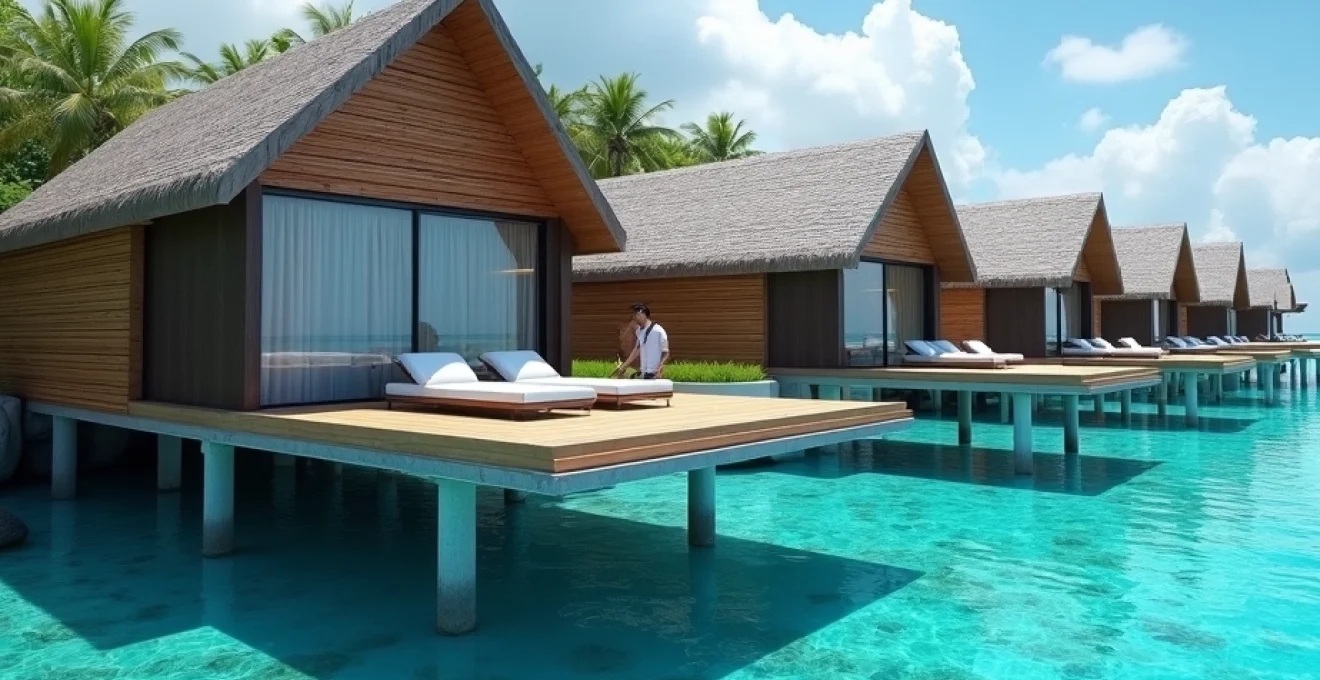
The crystalline waters of the Indian Ocean have witnessed a remarkable architectural revolution that transforms the traditional concept of luxury accommodation. Stilt resorts in the Maldives represent the pinnacle of sustainable tourism engineering, where overwater villas emerge from pristine lagoons like elegant sculptures defying gravity. These magnificent structures offer guests an unparalleled opportunity to experience marine life intimately while maintaining the highest standards of comfort and environmental responsibility. The Maldives archipelago, consisting of 1,192 coral islands grouped into 26 atolls, provides the perfect canvas for these extraordinary hospitality innovations that blend seamlessly with the natural ecosystem.
The allure of stilt accommodations extends far beyond their Instagram-worthy aesthetics. These engineering marvels represent decades of innovation in marine construction, incorporating advanced foundation systems, sustainable materials, and cutting-edge environmental technologies. Modern overwater villas feature glass floor panels that transform bedrooms into private aquariums, retractable roofs for stargazing, and direct lagoon access that eliminates the boundary between luxury and nature. The integration of renewable energy systems, advanced wastewater treatment, and coral restoration programs demonstrates how luxury tourism can coexist harmoniously with fragile marine ecosystems.
Overwater villa architecture and engineering excellence in maldivian atolls
The construction of overwater villas in the Maldives requires sophisticated engineering solutions that address unique challenges posed by the marine environment. These structures must withstand constant exposure to saltwater, extreme weather conditions, and the dynamic forces of tidal movements while maintaining structural integrity for decades. The architectural design philosophy emphasizes minimal environmental impact while maximizing guest comfort and connection to the surrounding aquatic ecosystem.
Reinforced concrete pile foundation systems in coral reef environments
The foundation systems supporting overwater villas utilize specialized reinforced concrete piles designed specifically for coral reef environments. These piles, typically ranging from 12 to 18 meters in length, are driven deep into the sandy substrate beneath the coral formations to ensure stability against wave action and seismic activity. The concrete mixture incorporates marine-grade additives that resist saltwater corrosion and extend the structural lifespan to over 50 years. Each pile undergoes rigorous load testing to verify its capacity to support not only the villa structure but also dynamic loads from guest occupancy, furniture, and equipment.
The pile installation process employs specialized techniques to minimize disturbance to surrounding coral reefs. Marine biologists work closely with construction teams to identify areas where pile placement will have the least impact on existing coral formations. Advanced positioning systems ensure precise pile placement within centimeters of the planned locations, reducing the number of piles required and minimizing the construction footprint. The spacing between piles typically ranges from 4 to 6 meters, creating an open framework that allows water circulation and marine life movement beneath the structures.
Sustainable timber frame construction using certified tropical hardwoods
The superstructure of overwater villas predominantly features sustainably sourced tropical hardwoods that offer exceptional durability in marine environments. Teak, mahogany, and other certified timber species undergo specialized treatment processes to enhance their resistance to moisture, marine borers, and UV radiation. The timber framing system employs traditional joinery techniques combined with modern stainless steel hardware to create structures that can flex with wind loads while maintaining dimensional stability.
Sustainable forestry certification ensures that all timber materials originate from responsibly managed forests, supporting global conservation efforts while maintaining construction quality. The wood treatment process involves pressure impregnation with eco-friendly preservatives that protect against marine organisms without leaching harmful chemicals into the surrounding waters. This approach demonstrates how luxury construction can maintain environmental responsibility while delivering exceptional longevity and aesthetic appeal.
Hurricane-resistant design standards for indian ocean climate conditions
Overwater villa designs incorporate comprehensive wind resistance strategies to withstand Category 4 hurricane conditions with sustained winds exceeding 250 kilometers per hour. The structural framework utilizes engineered connections and reinforcement systems that distribute wind loads evenly throughout the building envelope. Roof structures feature aerodynamic profiles that reduce wind uplift forces while maintaining the traditional thatched aesthetic that defines Maldivian architecture.
Building envelope systems incorporate impact-resistant glazing and storm shutters that can be deployed rapidly when severe weather approaches. The villa orientation and layout consider prevailing wind patterns to minimize wind loads on critical structural elements. Emergency preparedness systems include independent power generation, water storage, and communication equipment that allow guests to remain safely in their villas during severe weather events. These comprehensive safety measures ensure that overwater accommodations provide secure shelter while maintaining their connection to the marine environment.
Glass floor panel integration and marine life viewing technology
The integration of glass floor panels represents one of the most captivating features of modern overwater villas. These panels utilize multi-layered tempered glass construction with anti-reflective coatings that provide crystal-clear views of the marine environment below. The glass panels are set within reinforced frameworks that distribute loads safely to the supporting structure while maintaining watertight integrity.
Underwater lighting systems enhance marine life viewing during evening hours, utilizing LED technology that minimizes disruption to natural marine behavior patterns. The lighting systems incorporate programmable controls that allow guests to adjust intensity and color temperature to create optimal viewing conditions for different marine species. Some advanced installations include underwater cameras and display systems that provide real-time marine life identification and educational content, transforming guest accommodations into immersive marine biology experiences.
Premium stilt resort properties: soneva jani, COMO maalifushi, and six senses laamu
The Maldives luxury hospitality sector features several iconic stilt resort properties that exemplify excellence in overwater accommodation design and guest experience. These resorts have established new benchmarks for sustainable luxury tourism while pioneering innovative approaches to marine conservation and guest engagement with the natural environment.
Soneva jani’s water retreat villas with retractable roofs and observatory decks
Soneva Jani revolutionizes the overwater villa concept with its spectacular Water Retreat structures that feature retractable roofs and integrated observatory decks. These 410-square-meter villas incorporate sophisticated mechanical systems that allow guests to transform their bedroom ceiling into an open-air stargazing platform within minutes. The retractable roof mechanism utilizes weatherproof sealing systems that maintain climate control integrity while providing seamless indoor-outdoor transitions.
The observatory deck installations include professional-grade telescopes and astronomy guidance systems that enable guests to explore celestial phenomena from the comfort of their private accommodation. The villa design incorporates curved water slides that descend directly into the lagoon, creating an exhilarating connection between luxury amenities and natural aquatic playground. Each villa features a dedicated villa host who provides personalized service while educating guests about marine conservation and astronomical phenomena visible from the Maldivian latitude.
COMO maalifushi overwater suites in thaa atoll’s protected marine sanctuary
COMO Maalifushi’s overwater suites occupy a privileged position within Thaa Atoll’s protected marine sanctuary, providing guests with exclusive access to some of the Maldives’ most pristine coral reef systems. The suite design emphasizes natural materials and organic forms that harmonize with the surrounding reef ecosystem. Each suite features expansive outdoor decks with infinity pools that create the illusion of merging seamlessly with the lagoon waters.
The resort’s commitment to marine conservation extends throughout the guest experience, with guided snorkeling programs that educate visitors about coral reef ecology and conservation challenges. The suites incorporate advanced water filtration systems that ensure all wastewater meets stringent environmental standards before discharge. The architectural design maximizes natural ventilation and solar orientation to reduce energy consumption while maintaining optimal guest comfort levels throughout the tropical climate variations.
Six senses laamu’s Eco-Conscious water villas with solar panel integration
Six Senses Laamu demonstrates leadership in sustainable luxury tourism through its eco-conscious water villa designs that incorporate comprehensive renewable energy systems. Each villa features integrated solar panel arrays that generate sufficient electricity to power all guest amenities while contributing excess energy to the resort’s central grid system. The solar installations utilize advanced tracking systems that optimize panel orientation throughout the day, maximizing energy generation efficiency.
The villa construction incorporates locally sourced materials and traditional building techniques that minimize environmental impact while supporting local craftsmen and cultural heritage preservation. The water treatment systems utilize natural biological processes that eliminate chemical additives while achieving superior water quality standards. Guests can monitor their environmental impact through in-villa display systems that track energy consumption, water usage, and carbon footprint metrics, encouraging conscious consumption patterns during their stay.
Waldorf astoria maldives ithaafushi’s grand overwater villa complex design
The Waldorf Astoria Maldives Ithaafushi features the most expansive overwater villa complexes in the archipelago, with structures spanning over 1,000 square meters of luxury accommodation space. These grand villas incorporate multiple bedroom suites, private spa facilities, and dedicated staff quarters that enable extended family groups and VIP guests to experience unparalleled luxury in complete privacy. The architectural design creates distinct zones for relaxation, entertainment, and wellness while maintaining seamless connections to the marine environment.
The villa complexes feature private yacht mooring facilities that allow guests to access their accommodations directly from luxury watercraft. The engineering systems incorporate advanced climate control, water purification, and waste management technologies that maintain resort-quality services while operating independently from the main resort infrastructure. Each complex includes dedicated concierge facilities and private dining venues that provide exclusive culinary experiences featuring fresh seafood and locally sourced ingredients prepared by dedicated culinary teams.
Marine ecosystem integration and environmental impact mitigation
The development of stilt resorts in the Maldives has catalyzed significant advances in marine conservation technology and ecosystem protection strategies. Modern resort developments prioritize environmental stewardship through comprehensive impact mitigation programs that often result in net positive environmental outcomes for surrounding marine ecosystems.
Coral reef restoration programs through Resort-Sponsored marine biology initiatives
Leading stilt resorts operate sophisticated coral reef restoration programs that utilize cutting-edge marine biology techniques to rehabilitate damaged reef systems and enhance biodiversity. These programs employ coral fragmentation and micro-fragmentation techniques that accelerate natural coral growth rates by up to 25 times. The restoration efforts focus on climate-resilient coral species that can adapt to gradually warming ocean temperatures while maintaining the aesthetic and ecological value that attracts tourism.
Resort-sponsored marine biology laboratories conduct ongoing research into coral genetics, disease resistance, and symbiotic relationships that inform conservation strategies throughout the Indian Ocean region. Guest participation programs allow visitors to contribute directly to restoration efforts through coral planting activities, water quality monitoring, and citizen science data collection. These initiatives transform luxury tourism into active conservation partnerships that generate measurable environmental benefits while enhancing guest engagement with marine ecosystems.
Artificial reef structure creation using villa support systems
The pile foundation systems supporting overwater villas create artificial reef structures that attract marine life and enhance local biodiversity. The concrete surfaces provide substrate for coral settlement and growth, gradually developing into thriving reef ecosystems that support fish populations and other marine species. Resort management programs actively encourage this natural colonization process through strategic placement of coral fragments and marine growth enhancers.
The artificial reef development follows scientific protocols that ensure compatibility with existing natural reef systems while creating additional habitat for marine species. Monitoring programs track biodiversity changes and fish population dynamics around villa structures, demonstrating positive ecological impacts that often exceed the carrying capacity of natural reef areas. This symbiotic relationship between tourism infrastructure and marine ecosystems represents a revolutionary approach to sustainable development in sensitive marine environments.
Wastewater treatment technology for overwater accommodation units
Advanced wastewater treatment systems ensure that overwater villas maintain pristine water quality in surrounding lagoons while processing all guest-generated waste to international standards. These systems typically employ multi-stage biological treatment processes that eliminate pathogens and nutrients without chemical additives that could harm marine life. The treatment facilities incorporate UV sterilization and membrane filtration technologies that produce effluent quality superior to many municipal water treatment systems.
The decentralized treatment approach allows each villa or villa cluster to operate independent waste processing systems that can adapt to varying occupancy levels and usage patterns. Real-time monitoring systems track water quality parameters throughout the treatment process, ensuring consistent performance and immediate detection of any system irregularities. The treated water often exceeds quality standards for direct lagoon discharge, with some resorts utilizing the processed water for landscape irrigation and other non-potable applications.
Marine protected area compliance and UNESCO biosphere reserve standards
Many stilt resorts operate within designated marine protected areas and UNESCO Biosphere Reserves that impose strict environmental compliance requirements. These regulations govern construction methods, operational procedures, and guest activities to ensure minimal impact on protected marine ecosystems. Resort operations must demonstrate measurable conservation outcomes and contribute to ongoing scientific research and monitoring programs within these protected areas.
Compliance monitoring involves comprehensive environmental impact assessments, marine life population surveys, and water quality testing that document the ecological effects of resort operations. The resort management systems incorporate adaptive management strategies that modify operational procedures based on monitoring results and changing environmental conditions. This regulatory framework ensures that luxury tourism development contributes to rather than detracts from marine conservation objectives in these critical ecosystem protection zones.
Luxury amenities and direct ocean access infrastructure
The luxury amenities integrated into overwater villas represent the pinnacle of hospitality innovation, combining traditional Maldivian aesthetics with cutting-edge technology and premium comfort systems. These amenities create immersive experiences that seamlessly blend indoor luxury with direct ocean access, allowing guests to transition effortlessly between climate-controlled comfort and natural marine environments. The infrastructure supporting these amenities requires sophisticated engineering solutions that maintain reliability in challenging marine conditions while preserving the aesthetic integrity of the natural setting.
Direct ocean access infrastructure includes private lagoon entry systems, underwater viewing chambers, and integrated water sports equipment storage that transforms each villa into a comprehensive marine recreation facility. The access systems incorporate safety features such as marine life deterrent systems, emergency communication devices, and rescue equipment that ensure guest safety during water activities. Advanced filtration and circulation systems maintain optimal water quality around villa structures while supporting healthy marine ecosystems that enhance guest experiences through increased marine life visibility and diversity.
The integration of spa facilities within overwater villas creates unique wellness experiences that incorporate the therapeutic benefits of marine environments. Treatment rooms feature glass floor panels and open-air designs that maintain connection to the ocean while providing controlled environments for luxury spa services. The facilities often include private pools with varying temperature zones, hydrotherapy systems, and meditation areas that utilize the natural sounds and movements of the surrounding waters to enhance relaxation and wellness outcomes.
The marriage of luxury hospitality and marine conservation in Maldivian stilt resorts demonstrates how premium tourism can become a catalyst for environmental protection rather than a threat to fragile ecosystems.
Culinary amenities within overwater villas include private chef facilities, wine cellars, and outdoor cooking areas that enable guests to prepare fresh seafood and local ingredients while maintaining connection to the marine environment. The kitchen systems incorporate advanced refrigeration, water purification, and waste management technologies that support gourmet dining experiences while maintaining environmental compliance. Many villas feature dedicated dining platforms that extend over the water, creating intimate dining experiences with panoramic ocean views and the sounds of gentle wave action.
Seaplane transportation networks and overwater transfer logistics
The seaplane transportation networks serving Maldivian stilt resorts represent one of the world’s most sophisticated aviation operations in challenging marine environments. These networks utilize specialized aircraft designed for water landings and takeoffs in varied sea conditions, connecting guests seamlessly from international airports to remote resort locations throughout the archipelago. The logistical complexity of coordinating hundreds of daily flights across vast ocean expanses requires advanced scheduling systems, weather monitoring capabilities, and emergency response protocols that ensure reliable service delivery regardless of atmospheric conditions.
Trans Maldivian Airways operates the world’s largest seaplane fleet, with over 60 aircraft providing scheduled and charter services to resort destinations throughout the Maldives. The fleet utilizes DHC-6 Twin Otter aircraft specifically configured for tropical marine operations, featuring corrosion-resistant systems, enhanced navigation equipment, and passenger configurations optimized for luxury tourism transfers. Each aircraft undergoes rigorous maintenance protocols designed for saltwater exposure and high-frequency operation schedules that often exceed 8 flights per day during peak tourism seasons.
The transfer logistics extend beyond aircraft operations to include coordinated ground handling, luggage management, and guest services that create seamless travel experiences from international arrival to villa accommodation. Dedicated seaplane terminals feature climate-controlled waiting areas, premium dining facilities, and concierge services that maintain luxury hospitality standards throughout the transfer process. The scheduling systems integrate with resort occupancy management and international flight arrivals to optimize aircraft utilization while minimizing guest waiting times and transfer disruptions.
The precision required to coordinate seaplane operations across the scattered atolls of the Maldives rivals that of major metropolitan airports, yet operates in an environment where runways are created by nature rather than engineering.
Emergency response capabilities include search and rescue helicopters, medical evacuation services, and communication networks that can respond rapidly to aircraft emergencies or medical situations requiring immediate intervention. The coordination centers maintain real-time weather monitoring and sea condition assessment capabilities that enable rapid route adjustments and safety protocol activation when environmental conditions exceed operational parameters.
Climate change adaptation and sea level rise resilience planning
The long-term viability of stilt resorts in the Maldives depends critically on comprehensive climate change adaptation strategies that address the multifaceted challenges of sea level rise, ocean acidification, and increasing storm intensity. Current projections indicate potential sea level increases of 0.3 to 2.5 meters by 2100, requiring resort infrastructure to adapt dynamically to changing baseline water levels while maintaining operational functionality and guest safety. The adaptation strategies encompass structural modifications, operational adjustments, and ecosystem management approaches that collectively enhance resort resilience against climate-related impacts.
Structural adaptation measures include adjustable foundation systems that can accommodate gradual sea level changes through hydraulic lifting mechanisms integrated into the pile foundation networks. These systems utilize computer-controlled monitoring networks that track water level variations and automatically adjust villa elevations to maintain optimal clearance above high tide levels. The engineering solutions incorporate modular design principles that enable systematic upgrades and modifications as climate conditions evolve, ensuring that resort infrastructure remains functional throughout extended operational lifespans exceeding 50 years.
Ecosystem-based adaptation strategies focus on enhancing natural coastal protection through mangrove restoration, coral reef strengthening, and seagrass bed cultivation that collectively reduce wave energy and storm surge impacts on resort infrastructure. These biological defense systems provide dynamic protection that adapts naturally to changing environmental conditions while supporting marine biodiversity and ecosystem services essential for sustainable tourism operations. The integration of natural and engineered protection systems creates resilient coastal environments that can withstand extreme weather events while maintaining the aesthetic and ecological values that define the Maldivian tourism experience.
The proactive approach to climate adaptation in Maldivian stilt resorts serves as a global model for sustainable tourism development in vulnerable coastal environments, demonstrating how luxury hospitality can lead rather than follow in addressing environmental challenges.
Operational resilience planning incorporates comprehensive risk assessment protocols that evaluate climate vulnerabilities across all resort systems and develop contingency strategies for maintaining guest services during extreme events. The planning process utilizes climate modeling data and scenario analysis to identify potential disruption points and develop adaptive management strategies that can respond effectively to evolving environmental conditions. These operational frameworks include alternative energy systems, water security measures, and supply chain diversification strategies that reduce dependency on external resources during climate-related disruptions.
The financial sustainability of climate adaptation investments requires innovative funding mechanisms that align conservation outcomes with tourism revenue generation. Many resorts implement guest contribution programs that direct portions of accommodation fees toward climate adaptation and marine conservation initiatives, creating direct connections between tourism revenue and environmental protection investments. These programs often include guest education components that communicate climate challenges and conservation successes, transforming visitors into advocates for climate action and sustainable tourism practices.
Research and monitoring programs track the effectiveness of adaptation measures through comprehensive data collection networks that measure structural performance, ecosystem health, and operational continuity under varying climate conditions. The monitoring systems utilize remote sensing technology, underwater sensors, and automated data collection platforms that provide real-time feedback on adaptation strategy effectiveness. This scientific approach enables continuous refinement of adaptation measures and provides valuable data for climate resilience planning across the broader tourism industry.
The integration of renewable energy systems and energy storage capabilities enhances resort independence and reduces vulnerability to supply chain disruptions during extreme weather events. Solar panel installations, wind generation systems, and battery storage networks provide reliable power generation that can maintain essential services even during extended periods of grid disconnection. Advanced energy management systems optimize renewable energy utilization while maintaining guest comfort standards and operational requirements throughout varying climate conditions.
Water security measures address the dual challenges of freshwater scarcity and saltwater intrusion through advanced desalination technologies, rainwater harvesting systems, and groundwater protection strategies. The water management systems incorporate redundant treatment capabilities and storage networks that ensure continuous freshwater availability during extreme weather events and supply disruptions. These systems often exceed guest consumption requirements, enabling resorts to support local communities during climate emergencies while maintaining operational continuity.
The collaborative approach to climate adaptation extends beyond individual resort boundaries to encompass regional planning initiatives that coordinate adaptation strategies across multiple tourism destinations. These collaborative frameworks facilitate knowledge sharing, resource pooling, and coordinated emergency response capabilities that enhance collective resilience against climate impacts. The regional cooperation includes joint research initiatives, shared infrastructure investments, and coordinated marketing strategies that promote climate-resilient tourism throughout the Maldivian archipelago.