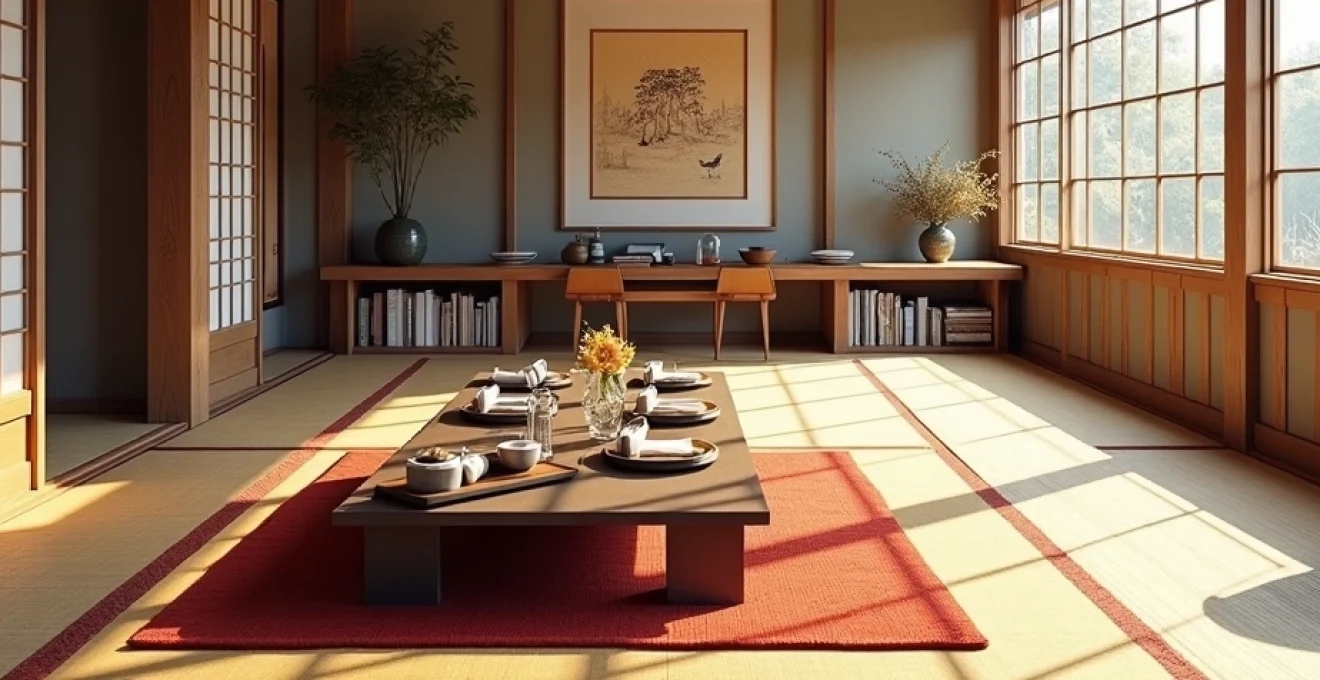
Traditional Japanese ryokans represent one of the world’s most sophisticated hospitality experiences, combining centuries-old architectural principles with an unparalleled dedication to guest service. These remarkable inns, which first emerged during Japan’s Edo period as rest stops for traveling feudal lords, have evolved into cultural sanctuaries that preserve authentic Japanese aesthetics and customs. Unlike conventional hotels, ryokans offer immersive experiences that transport visitors into Japan’s rich cultural heritage through meticulously designed spaces, time-honored service rituals, and profound attention to seasonal beauty. Each element within a ryokan serves a specific purpose in creating harmony between human comfort and natural splendor, making these establishments living museums of Japanese civilization.
Traditional ryokan architecture and structural design elements
The architectural foundation of traditional ryokans reflects Japan’s profound understanding of spatial harmony and natural integration. These structures embody principles that have remained unchanged for centuries, prioritizing flexibility, natural materials, and seamless connections between indoor and outdoor environments. The construction methodology emphasizes modular design systems that allow spaces to transform throughout the day, accommodating various activities from dining to sleeping within the same room.
Tatami flooring systems and standardized room measurements
Tatami mats serve as the fundamental building blocks of ryokan room design, establishing both aesthetic appeal and functional versatility. These woven straw mats, measuring approximately 180 centimeters by 90 centimeters, create a standardized system that determines room dimensions across Japan. The thickness of quality tatami ranges from 55 to 60 millimeters, providing natural insulation and cushioning that makes floor-level living comfortable. Traditional ryokan rooms typically contain between 6 to 12 tatami mats, with larger suites extending to 20 or more mats for premium accommodations.
The installation of tatami follows strict geometric patterns that prevent gaps and ensure structural stability. Master craftsmen arrange these mats in specific configurations that avoid creating cross-shaped joints, which are considered inauspicious in Japanese culture. The natural rush grass surface develops a distinctive golden patina over time, contributing to the warm, earthy atmosphere that defines authentic ryokan interiors.
Shoji screen construction and paper selection techniques
Shoji screens represent masterful examples of functional artistry, utilizing translucent paper stretched over wooden frames to create movable walls that filter natural light. The construction process involves selecting specific types of washi paper made from mulberry fibers, which provides optimal light transmission while maintaining privacy. Traditional craftsmen employ time-tested joinery techniques that eliminate the need for nails, creating frames that can expand and contract with seasonal humidity changes without compromising structural integrity.
The paper selection process considers factors such as thickness, texture, and light-filtering properties to achieve the desired ambiance within each space. Premium ryokans often use handmade papers that display subtle variations in texture and opacity, creating dynamic patterns of light and shadow throughout the day. The maintenance of shoji requires periodic paper replacement, typically performed annually to maintain optimal appearance and functionality.
Fusuma sliding door mechanisms and artistic paintings
Fusuma sliding doors serve dual purposes as functional room dividers and artistic canvases that showcase traditional Japanese painting techniques. These opaque panels, constructed with paper or fabric stretched over wooden frames, glide silently along grooved tracks embedded in the floor and ceiling. The engineering precision required for smooth operation demands careful calibration of track alignment and panel weight distribution.
The artistic decoration of fusuma panels often features seasonal motifs, landscape scenes, or calligraphic works created by skilled artisans. These paintings follow established compositional principles that consider viewing angles and lighting conditions throughout the day. Many historic ryokans preserve fusuma panels created by renowned artists, treating these elements as valuable cultural artifacts that enhance the property’s aesthetic and historical significance.
Tokonoma alcove design and seasonal display principles
The tokonoma alcove represents the spiritual and aesthetic heart of traditional ryokan rooms, serving as a dedicated space for displaying seasonal artwork and floral arrangements. This raised platform, typically measuring between 90 to 180 centimeters in width, incorporates specific design elements including a wooden post ( tokobashira ) that demonstrates the room’s finest craftsmanship. The construction emphasizes natural wood grains and joints that highlight the builder’s skill while maintaining understated elegance.
Seasonal display practices within the tokonoma follow ikebana principles and traditional calendar observances, with arrangements changing to reflect natural cycles and cultural celebrations. The careful selection and placement of hanging scrolls, ceramic vessels, and floral compositions create contemplative focal points that encourage quiet reflection and appreciation of transient beauty.
Engawa veranda integration with garden landscapes
The engawa veranda system creates seamless transitions between interior spaces and carefully designed gardens, establishing visual and physical connections with natural environments. These covered walkways, typically measuring 90 to 180 centimeters in depth, provide sheltered observation areas where guests can appreciate garden views while remaining protected from weather elements. The elevated positioning of engawa allows for optimal viewing angles of landscape features including stone arrangements, water elements, and seasonal plantings.
Garden integration principles emphasize borrowed scenery concepts that incorporate distant mountains, forests, or other natural features into the composition visible from the engawa. This technique expands the perceived scale of ryokan grounds while creating dynamic viewing experiences that change with seasons, weather conditions, and times of day.
Authentic japanese hospitality practices and service protocols
The hospitality practices within traditional ryokans embody the sophisticated concept of omotenashi , representing service philosophies that prioritize anticipatory care and genuine concern for guest comfort. These protocols developed over centuries create structured yet personalized experiences that address both practical needs and emotional well-being. The implementation of these practices requires extensive training and deep cultural understanding among staff members.
Omotenashi philosophy implementation in guest relations
Omotenashi transcends conventional customer service concepts by emphasizing selfless attention to guest needs before they are expressed verbally. This philosophy guides every interaction within ryokan environments, from initial greetings to departure farewells. Staff members receive comprehensive training in observation techniques that enable them to anticipate requirements such as additional heating, beverage preferences, or assistance with cultural practices.
The implementation of omotenashi involves creating atmospheres of tranquility and respect through controlled speech volumes, graceful movements, and appropriate timing of services. Genuine hospitality emerges from sincere concern for guest comfort rather than mechanical service delivery, requiring staff members to develop emotional intelligence and cultural sensitivity that enhances every guest encounter.
Nakai-san personal attendant services and training standards
Nakai-san personal attendants serve as dedicated liaisons between guests and ryokan facilities, providing individualized assistance throughout the duration of stays. These highly trained professionals possess comprehensive knowledge of facility amenities, local customs, dining protocols, and bathing etiquette that enables them to guide guests through unfamiliar cultural practices. The training process for nakai-san positions typically requires several years of apprenticeship under experienced mentors.
The responsibilities of nakai-san extend beyond basic room service to include cultural education, schedule coordination, and emotional support for guests experiencing culture-related anxiety. These attendants maintain detailed preferences records for returning guests, enabling them to provide increasingly personalized service that reflects individual tastes and requirements.
Okami proprietress management systems and guest oversight
The okami proprietress position represents the pinnacle of ryokan hospitality hierarchy, combining business management responsibilities with personal guest relations oversight. These accomplished women typically possess decades of experience in hospitality industries and maintain comprehensive knowledge of cultural traditions, culinary arts, and property management. The okami often greets distinguished guests personally and oversees complex arrangements for special celebrations or cultural ceremonies.
Management systems implemented by experienced okami ensure consistent service quality while preserving authentic cultural practices that define traditional ryokan experiences. These leaders coordinate staff training programs, seasonal menu planning, and facility maintenance schedules that maintain property standards worthy of Japan’s hospitality reputation.
Seasonal greeting rituals and cultural ceremony integration
Seasonal greeting rituals within ryokan environments follow established patterns that acknowledge natural cycles and cultural observances throughout the Japanese calendar. These ceremonies often incorporate elements such as seasonal flower arrangements, traditional music performances, or special dining presentations that enhance guest appreciation of temporal beauty. The timing and execution of such rituals require careful coordination among staff members and advance preparation of specialized materials.
Cultural ceremony integration enables guests to participate in authentic Japanese traditions including tea ceremonies, moon viewing celebrations, or seasonal festivals that provide deeper understanding of local customs. These experiences often become the most memorable aspects of ryokan stays, creating lasting connections between visitors and Japanese cultural heritage.
Traditional kaiseki dining experiences and culinary presentations
Kaiseki dining represents the highest expression of Japanese culinary artistry, transforming meals into multi-sensory experiences that celebrate seasonal ingredients and aesthetic presentation. These elaborate dining sequences originated from tea ceremony traditions and evolved to incorporate sophisticated cooking techniques that highlight natural flavors and visual beauty. Traditional ryokans maintain kaiseki standards through relationships with local suppliers and employment of skilled chefs trained in classical preparation methods.
Multi-course progression following tea ceremony principles
The structure of kaiseki meals follows prescribed sequences that build flavor profiles and dining experiences through carefully orchestrated course progressions. Initial courses typically feature light, delicate preparations that awaken the palate, followed by increasingly complex dishes that showcase seasonal specialties and chef expertise. The pacing between courses allows for appreciation of individual presentations while building anticipation for subsequent offerings.
Tea ceremony principles influence kaiseki timing through emphasis on mindful consumption and respect for ingredient qualities. Guests receive instruction in proper eating techniques and appreciation methods that enhance understanding of culinary philosophies underlying each preparation. The integration of seasonal themes throughout meal progressions creates cohesive dining narratives that reflect natural cycles and cultural celebrations.
Seasonal ingredient selection and regional specialization methods
Seasonal ingredient selection forms the foundation of authentic kaiseki cuisine, requiring chefs to maintain extensive knowledge of local growing cycles and optimal harvesting periods. Traditional ryokans often cultivate relationships with specific farmers, fishermen, and foragers who supply premium ingredients at peak quality periods. The menu planning process begins months in advance to secure reservations for limited-availability items such as wild mountain vegetables or rare seafood varieties.
Regional specialization methods enable individual ryokans to develop distinctive culinary identities that reflect local terroir and cultural traditions. Mountain ryokans emphasize wild game, forest mushrooms, and alpine vegetables, while coastal properties feature exceptional seafood preparations and seaweed-based dishes. These geographical advantages create unique dining experiences that cannot be replicated in other locations.
Lacquerware serving vessels and ceramic presentation standards
The presentation of kaiseki cuisine relies heavily on carefully selected lacquerware and ceramic vessels that complement both food colors and seasonal themes. Traditional ryokans maintain extensive collections of serving pieces created by skilled artisans, with some establishments featuring museum-quality items crafted by designated Living National Treasures. The selection process for each course considers factors such as dish temperature, portion size, color harmony, and thematic appropriateness.
Ceramic presentation standards emphasize the relationship between food and vessel as collaborative artistic expressions rather than merely functional combinations. The placement of ingredients within bowls and plates follows aesthetic principles that create visual balance and highlight ingredient qualities through strategic positioning and garnish selection.
In-room dining protocols and low table service techniques
In-room dining protocols within traditional ryokans create intimate dining environments that emphasize privacy and personalized service delivery. The preparation of tatami-level dining areas requires careful arrangement of low tables, cushions, and serving accessories that facilitate comfortable meal consumption while maintaining proper etiquette. Staff members receive specialized training in floor-level service techniques that enable graceful movement and efficient course delivery within confined spaces.
Low table service techniques involve precise choreography that minimizes disruption to guest conversations while ensuring optimal presentation timing for temperature-sensitive dishes. The coordination between kitchen staff and nakai-san attendants ensures seamless course transitions that maintain the contemplative atmosphere essential to kaiseki appreciation.
Onsen hot spring facilities and bathing cultural practices
Onsen hot spring facilities represent central attractions of many traditional ryokans, providing therapeutic bathing experiences that combine physical relaxation with cultural immersion. These natural thermal waters, heated by geothermal activity, contain various mineral compositions that offer different health benefits and bathing sensations. The integration of onsen facilities into ryokan properties requires sophisticated engineering systems that maintain water quality and temperature while preserving the natural characteristics that make these springs valuable.
The cultural practices surrounding onsen bathing follow strict etiquette protocols that ensure cleanliness, respect, and safety for all participants. Pre-bathing purification rituals require thorough washing before entering communal waters, demonstrating respect for shared facilities and other bathers. The bathing experience itself emphasizes quiet contemplation and gradual temperature acclimation that maximizes therapeutic benefits while minimizing physical stress.
The onsen experience transcends simple bathing to become a meditative practice that connects bathers with natural forces and promotes profound relaxation through mineral absorption and temperature therapy.
Traditional ryokans often feature multiple onsen facilities with different mineral compositions, temperatures, and architectural settings that provide varied bathing experiences throughout guest stays. Rotenburo outdoor baths create connections with natural environments through exposure to seasonal weather conditions and landscape views. Indoor facilities emphasize architectural beauty through stone arrangements, wooden construction, and artistic lighting that enhance the therapeutic atmosphere.
The segregation practices for onsen facilities typically separate male and female bathers, with some traditional establishments offering specific hours for mixed bathing or private family use. Tattoo policies vary among different ryokans, with some maintaining traditional restrictions while others accommodate international guests with different cultural backgrounds. The communication of bathing rules and cultural expectations requires sensitive explanation that respects diverse cultural perspectives while maintaining facility standards.
Futon bedding systems and traditional sleeping arrangements
Traditional Japanese futon bedding systems demonstrate ingenious space utilization concepts that transform multi-purpose rooms from daytime living areas to comfortable sleeping environments. These portable bedding arrangements consist of thick cotton mattresses, supportive pillows, and seasonal coverings that provide restful sleep directly on tatami surfaces. The quality of futon materials significantly impacts sleep comfort, with premium establishments using hand-selected cotton filling and silk coverings that enhance temperature regulation and moisture management.
The daily setup and storage of futon bedding requires practiced technique to ensure proper placement and optimal comfort configuration. Ryokan staff typically prepare sleeping arrangements while guests enjoy evening meals, creating seamless transitions from dining to sleeping modes within the same space. Morning storage procedures involve careful folding and placement in dedicated closets ( oshiire ) that maintain room versatility for daytime activities.
Sleeping arrangement protocols consider factors such as room size, guest numbers, and seasonal temperature conditions to optimize comfort levels throughout the night. Traditional Japanese pillows, filled with buckwheat hulls or other natural materials, provide neck support that differs significantly from Western-style pillows. The adjustment period for guests unaccustomed to floor-level sleeping typically requires one to two nights, with most visitors discovering unexpected comfort and improved sleep quality.
The futon sleeping experience connects guests with traditional Japanese lifestyle practices while providing surprisingly comfortable rest through carefully engineered bedding systems and natural material selection.
Seasonal variations in futon preparation include different covering weights and material selections that accommodate temperature fluctuations throughout the year. Summer arrangements emphasize breathable fabrics and minimal covering, while winter setups include additional layers and warming elements that ensure comfortable sleep during colder months. The maintenance of futon bedding requires regular airing and cleaning cycles that preserve hygiene standards and extend material lifespan.
Historic ryokan examples and regional architectural variations
Historic ryokan establishments across Japan showcase diverse architectural approaches that reflect regional materials, climate considerations, and local cultural influences while maintaining core design principles. Nishiyama Onsen Keiunkan , recognized as the world’s oldest continuously operating hotel since 705 AD, demonstrates remarkable architectural preservation that spans over thirteen centuries of Japanese building traditions. This extraordinary property maintains original structural elements alongside carefully integrated modern amenities that ensure guest comfort without compromising historical authenticity.
Regional variations in ryokan architecture reflect geographical influences and local building traditions that create distinctive aesthetic characters across different areas of Japan. Mountain regions emphasize robust timber construction with steep rooflines designed to shed heavy snow loads, while coastal areas incorporate materials and design elements that withstand salt air and seasonal storms. Urban ryokans often feature compact designs that maximize limited space while maintaining essential traditional elements within densely populated city environments.
The architectural diversity among historic ryokans demonstrates Japan’s remarkable ability to adapt traditional design principles to varied environmental conditions while preserving cultural authenticity across centuries of continuous operation.
The preservation challenges facing historic ryokan properties require balanced approaches that maintain structural integrity while incorporating modern safety standards and accessibility improvements. Many establishments invest significant resources in specialized conservation techniques that preserve original wooden structures, traditional roofing materials, and historical artifacts while discreetly integrating contemporary infrastructure systems such as fire suppression, climate control, and modern plumbing.
The Hoshi Ryokan in Ishikawa Prefecture represents another remarkable example of architectural longevity, operating continuously since 718 AD and maintaining traditional construction methods through forty-six generations of family ownership. This property demonstrates the evolution of ryokan design through careful documentation of architectural modifications made over centuries, providing invaluable insights into traditional Japanese building techniques and their adaptation to changing needs while preserving cultural authenticity.
Regional architectural variations also reflect the influence of local climate conditions on design decisions. Tohoku region ryokans feature distinctive architectural elements such as thick thatched roofs and elevated foundations designed to manage heavy winter snowfall, while Okinawan properties incorporate coral stone construction and wide overhanging eaves that provide protection from tropical storms and intense sunlight. These adaptations demonstrate the sophisticated understanding of environmental factors that characterizes traditional Japanese architecture.