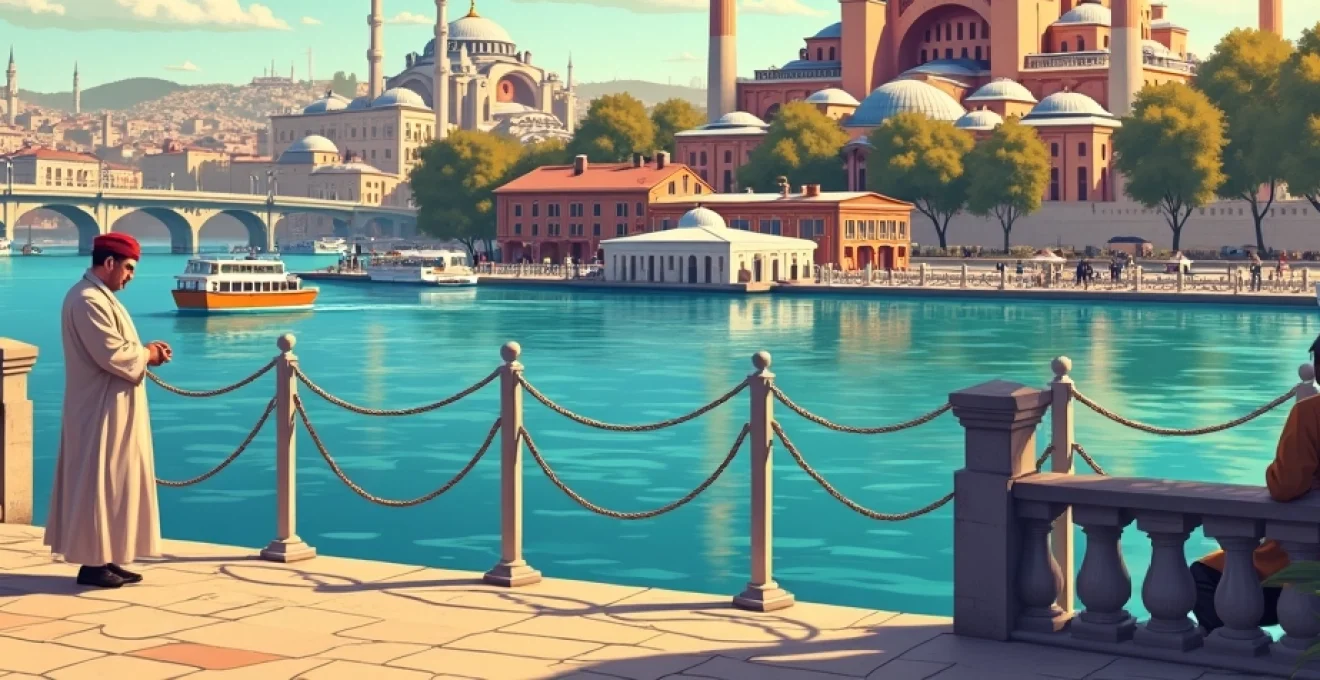
Istanbul stands as one of the world’s most culturally rich metropolises, where Byzantine grandeur meets Ottoman magnificence across two continents. This remarkable city has served as the capital of three great empires, each leaving indelible marks on its architectural landscape, culinary traditions, and cultural practices. From underground cisterns that whisper tales of ancient engineering prowess to whirling dervishes spinning in mystical devotion, Istanbul offers visitors an unparalleled journey through millennia of human civilization.
The city’s unique position straddling Europe and Asia has created a cultural melting pot where East meets West in the most extraordinary ways. Modern art galleries showcase contemporary Turkish creativity alongside traditional craft workshops where artisans preserve centuries-old techniques. The aromatic spice bazaars compete with sophisticated culinary experiences, while ancient hammams continue to offer rejuvenation rituals that have remained unchanged for generations.
Byzantine archaeological heritage sites and Hagia Sophia complex
The Byzantine legacy in Istanbul represents one of the most significant archaeological treasures in the world, with the Hagia Sophia standing as its crown jewel. This architectural marvel has witnessed the rise and fall of empires, serving as both a Christian cathedral and an Islamic mosque while embodying the city’s complex religious and cultural history.
Hagia sophia museum architecture and mosaic conservation techniques
The Hagia Sophia’s revolutionary dome construction challenged the architectural limitations of its era, employing innovative pendentive techniques that distributed massive structural loads across four pillars. The building’s architectural genius lies in its ability to create an ethereal sense of weightlessness despite supporting a dome measuring 31 meters in diameter. Recent conservation efforts have revealed stunning Byzantine mosaics that were plastered over during the Ottoman period, including the magnificent Deesis mosaic featuring Christ flanked by the Virgin Mary and John the Baptist.
Modern laser cleaning technologies and advanced photographic documentation have allowed conservators to preserve these artistic treasures while maintaining their historical integrity. The interplay between Christian iconography and Islamic calligraphy creates a unique visual dialogue that reflects Istanbul’s multicultural heritage. Visitors can observe conservation work in progress, gaining insights into the meticulous processes required to maintain these thousand-year-old masterpieces.
Basilica cistern underground engineering and water management systems
Descending into the Basilica Cistern reveals the sophisticated hydraulic engineering capabilities of 6th-century Byzantine architects. This subterranean marvel, supported by 336 marble columns, demonstrates how ancient civilizations addressed urban water security challenges through innovative underground infrastructure. The cistern’s capacity of 80,000 cubic meters provided Constantinople with a reliable water supply during sieges and droughts.
The mysterious Medusa head column bases showcase the Romans’ practical approach to construction, repurposing classical sculptures as structural elements. Modern lighting systems illuminate the atmospheric space, creating an almost mystical environment where visitors can appreciate both the engineering prowess and artistic sensibilities of Byzantine craftsmen. The gentle sound of dripping water and the reflection of columns in shallow pools create an unforgettable sensory experience.
Topkapi palace harem quarters and ottoman court ceremonial protocols
The Topkapi Palace Harem offers intimate glimpses into Ottoman imperial life, where elaborate court ceremonies governed daily interactions between sultans, concubines, and palace officials. These private quarters housed hundreds of women who received extensive education in music, literature, and court etiquette, challenging Western stereotypes about Ottoman gender dynamics.
The intricate tile work and painted decorations throughout the Harem quarters demonstrate the Ottoman Empire’s artistic sophistication and cultural refinement. Visitors can explore the Sultan’s private chambers, the Queen Mother’s apartments, and the courtyards where imperial children played, gaining understanding of how power, tradition, and family life intersected within the Ottoman court system. The preservation of original furnishings and architectural details provides authentic insights into imperial daily routines and ceremonial practices.
Chora church paleologus dynasty frescoes and religious iconography
The Chora Church, now the Kariye Museum, contains some of the finest examples of late Byzantine art, with frescoes and mosaics dating from the Paleologus Renaissance of the 14th century. These artistic masterpieces demonstrate the sophisticated theological and artistic developments that occurred during Byzantium’s final cultural flowering before the Ottoman conquest.
The narrative cycles depicting the life of Christ and the Virgin Mary showcase extraordinary artistic techniques that influenced both Eastern and Western European art traditions. The psychological depth and emotional expressiveness of these religious scenes reflect a more humanized approach to Christian iconography that emerged during this period. Conservation efforts have revealed previously hidden details in the paintings, allowing visitors to appreciate the subtle color variations and sophisticated compositional techniques employed by Byzantine masters.
Ottoman imperial cultural institutions and süleymaniye mosque complex
The Ottoman Empire’s cultural institutions represent a synthesis of Islamic, Byzantine, and Central Asian traditions that created a distinctive imperial culture. The Süleymaniye Mosque complex exemplifies this synthesis, functioning not merely as a place of worship but as a comprehensive social and educational center that served the broader community’s needs.
Mimar sinan architectural methodology and structural engineering principles
Mimar Sinan’s architectural innovations revolutionized Ottoman mosque design, creating structures that achieved perfect harmony between aesthetic beauty and structural integrity. His mathematical approach to proportion and his understanding of acoustic principles resulted in buildings where every worshipper could clearly hear the imam’s voice regardless of their position within the prayer hall.
The Süleymaniye Mosque demonstrates Sinan’s mastery of cascading dome systems, where smaller domes and semi-domes create a rhythmic architectural composition that draws the eye upward toward the central dome. The complex includes a hospital, library, public baths , and schools, illustrating how Ottoman architects integrated religious and social functions within unified architectural schemes. Modern structural analysis has revealed the sophisticated engineering principles Sinan employed to create earthquake-resistant buildings that have survived centuries of seismic activity.
Turkish bath hamam rituals at cagaloglu and galatasaray facilities
Turkish bath culture represents one of Istanbul’s most enduring social traditions, combining therapeutic benefits with communal relaxation in architectural settings that have remained virtually unchanged for centuries. The Cagaloglu Hamam, dating from 1741, and the Galatasaray facilities maintain traditional bathing protocols that follow Ottoman-era customs and rituals.
The hamam experience begins in the warm room where bathers acclimatize to the humid environment before proceeding to the hot room for the traditional scrubbing ritual performed by skilled attendants. The architecture of these facilities, with their marble platforms, ornate fountains, and domed ceilings, creates an atmosphere of luxury and relaxation that transcends mere hygiene to become a holistic wellness experience. Modern visitors can appreciate how these spaces functioned as important social gathering places where business deals were negotiated and community relationships were strengthened.
Grand bazaar medieval commerce architecture and artisan guild systems
The Grand Bazaar’s covered market architecture represents a sophisticated approach to commercial space organization that influenced urban planning throughout the Ottoman Empire. With over 4,000 shops organized according to traditional guild systems, the bazaar demonstrates how medieval Islamic cities balanced commercial efficiency with social organization and quality control.
The bazaar’s intricate network of streets, courtyards, and specialized sections reflects centuries of organic growth guided by established commercial traditions. Each craft guild maintained specific areas within the complex, ensuring that customers could easily locate particular goods while fostering healthy competition among artisans. The preservation of traditional craft techniques within the bazaar environment allows visitors to observe skilled artisans creating carpets, jewelry, ceramics, and textiles using methods passed down through generations.
The Grand Bazaar functions as a living museum where commercial traditions dating back six centuries continue to thrive alongside modern retail practices, creating a unique shopping experience that bridges historical and contemporary Turkish culture.
Whirling dervish mevlevi order ceremonies at galata mevlevihanesi
The Mevlevi whirling ceremony represents one of the most profound spiritual experiences available to visitors in Istanbul, combining Islamic mysticism with artistic performance in ways that transcend religious and cultural boundaries. The Galata Mevlevihanesi, once the primary dervish lodge in the city, continues to host authentic ceremonies that maintain the traditional protocols established by Rumi’s followers in the 13th century.
The ritual’s carefully choreographed movements symbolize the cosmic dance of creation, with each dervish representing a planet orbiting the spiritual sun through controlled spinning that induces transcendent states of consciousness. The accompanying music, featuring traditional instruments like the ney (reed flute) and frame drums, creates an atmospheric soundscape that enhances the ceremony’s meditative qualities. Visitors witness a living spiritual tradition that has survived centuries of political and social change, offering insights into Islamic mystical practices and their role in Ottoman court culture.
Contemporary turkish culinary arts and gastronomic tourism
Istanbul’s culinary landscape reflects the city’s position as a crossroads of civilizations, where Ottoman imperial cuisine meets modern gastronomic innovation. The city’s restaurants, street food vendors, and cooking schools offer visitors opportunities to explore flavor profiles that combine Mediterranean, Central Asian, and Middle Eastern influences in sophisticated ways that challenge preconceptions about Turkish food.
Traditional Turkish breakfast culture provides an excellent introduction to local culinary customs, with elaborate spreads featuring dozens of small dishes that encourage leisurely social interaction. The concept of kahvaltı , literally meaning “before coffee,” reflects the meal’s importance in Turkish social life and its role in strengthening family and community bonds. Visitors can experience authentic breakfast culture in neighborhood establishments where locals gather daily, observing how food preparation and consumption rituals maintain their cultural significance in contemporary urban life.
The city’s spice markets offer sensory experiences that connect visitors with the historical spice trade routes that brought prosperity to Ottoman Istanbul. Vendors demonstrate traditional spice blending techniques and explain the medicinal properties of various herbs and seasonings, providing insights into how Turkish cuisine developed its distinctive flavor profiles. Modern cooking classes allow visitors to master techniques for preparing classic dishes like dolma, börek, and various kebab preparations while learning about the cultural contexts that shaped these recipes over centuries.
Street food culture in Istanbul provides affordable access to authentic local flavors, with vendors offering everything from döner kebab and balık ekmek (fish sandwiches) to exotic treats like kokoreç and midye dolma (stuffed mussels). The quality and variety of street food reflects the city’s democratic approach to cuisine, where excellent food is accessible to people from all economic backgrounds. Food tours guided by local experts reveal hidden gems and family-owned establishments that preserve traditional recipes while adapting to contemporary tastes and dietary preferences.
Bosphorus maritime cultural landscape and waterfront neighborhoods
The Bosphorus strait defines Istanbul’s geographical and cultural identity, serving as both a natural barrier and a connecting waterway that has shaped the city’s development for over two millennia. The waterfront neighborhoods along both the European and Asian shores showcase distinct architectural styles and community cultures that reflect their historical functions and contemporary adaptations.
Ferry transportation across the Bosphorus provides visitors with affordable access to stunning views while experiencing an essential part of daily life for millions of Istanbul residents. The ferry system connects diverse neighborhoods, each with its own character and attractions, from the conservative fishing communities of the Asian shore to the cosmopolitan districts of the European side. Regular ferry services to the Princes’ Islands offer escapes from urban intensity, where visitors can explore car-free communities with distinctive Victorian architecture and relaxed Mediterranean atmospheres.
The historic waterfront mansions known as yalıs represent the pinnacle of Ottoman residential architecture, with their distinctive wooden construction and elaborate decorative details designed to maximize water views while providing comfortable living spaces adapted to the local climate. Many of these structures have been converted to museums, restaurants, or cultural centers that allow visitors to experience Ottoman domestic architecture and lifestyle preferences. The contrast between traditional yalıs and modern apartment complexes illustrates how Istanbul continues to evolve while maintaining connections to its architectural heritage.
The Bosphorus waterfront serves as Istanbul’s living room, where residents and visitors gather to enjoy sunset views, fresh air, and social interaction in an urban setting that seamlessly blends natural beauty with historical significance.
Waterfront promenades in neighborhoods like Ortaköy, Bebek, and Arnavutköy provide pedestrian-friendly environments where visitors can observe local social customs while enjoying traditional Turkish tea and snacks from street vendors. These areas demonstrate how Istanbul residents maintain strong connections to the water despite the city’s rapid urbanization, with fishing, swimming, and recreational boating continuing to play important roles in community life. Weekend markets and festivals in these neighborhoods offer opportunities to experience local culture away from the tourist-heavy central districts.
Modern art galleries and cultural districts in beyoğlu
The Beyoğlu district represents contemporary Istanbul’s artistic heart, where cutting-edge galleries, performance spaces, and cultural institutions showcase both Turkish and international creative work. This area’s transformation from a declining commercial district to a vibrant cultural quarter illustrates how cities can revitalize urban neighborhoods through strategic cultural investment and community engagement.
Istanbul Modern and other contemporary art museums provide platforms for Turkish artists to engage with global artistic movements while maintaining connections to local cultural traditions. The galleries’ exhibition programs frequently explore themes related to migration, urbanization, and cultural identity that resonate with Istanbul’s diverse population. Visitors can observe how contemporary Turkish artists address universal human experiences through distinctly Turkish cultural perspectives, creating artistic dialogues that bridge local and international concerns.
The Istiklal Avenue pedestrian area functions as an outdoor gallery where street performers, musicians, and artists create spontaneous cultural experiences that reflect the neighborhood’s creative energy. Historic buildings along the avenue have been converted to art galleries, bookstores, and performance venues that maintain the area’s cultural significance while adapting to contemporary needs. The preserved historic tram that runs along Istiklal Avenue provides both practical transportation and nostalgic charm that connects the present with the neighborhood’s cosmopolitan past.
Alternative art spaces in Beyoğlu’s side streets offer opportunities to discover emerging artists and experimental work that challenges conventional artistic categories. These venues often occupy converted historic buildings, creating interesting dialogues between contemporary artistic expression and traditional architecture. The neighborhood’s numerous art supply stores, framing shops, and specialized bookstores support a thriving artistic community that includes both professional artists and enthusiastic amateurs who contribute to the area’s creative atmosphere.
Traditional craft workshops and artisan heritage preservation
Istanbul’s traditional craft workshops represent living connections to Ottoman guild systems and artistic traditions that have adapted to contemporary markets while maintaining their essential character and technical excellence. These workshops offer visitors hands-on experiences with techniques that have been refined over centuries, providing insights into the skill, patience, and cultural knowledge required to master traditional Turkish crafts.
Carpet weaving workshops demonstrate the mathematical precision and artistic sensitivity required to create the geometric patterns and color combinations that characterize Turkish rugs. Visitors can observe master weavers working on pieces that may require months or years to complete, gaining appreciation for the time investment and technical expertise that justify these carpets’ high value and cultural significance. The workshops also explain how different regions of Turkey developed distinctive design traditions influenced by local materials, climate conditions, and cultural preferences.
Ceramic and tile-making studios continue Ottoman traditions of decorative pottery that reached artistic peaks during the 16th and 17th centuries in İznik and Kütahya. Contemporary artisans use traditional techniques and materials to create both reproductions of classical designs and original works that interpret Ottoman aesthetic principles through contemporary sensibilities. Visitors can participate in workshops that teach basic ceramic techniques while learning about the historical development of Turkish ceramic arts and their influence on European pottery traditions.
Calligraphy workshops provide access to one of Islam’s most revered art forms, where Arabic script becomes a vehicle for both spiritual expression and aesthetic beauty. Students learn about the different calligraphic styles developed in Ottoman scriptoriums and their applications in architectural decoration, manuscript illumination, and contemporary artistic practice. The meditative aspects of calligraphic practice offer visitors opportunities for personal reflection while developing appreciation for the cultural significance of Arabic script in Islamic civilization.
Jewelry-making workshops in the Grand Bazaar area maintain techniques for working with gold, silver, and precious stones that have been practiced in Istanbul since Byzantine times. Master craftsmen demonstrate traditional tools and methods while explaining how Istanbul’s position on ancient trade routes provided access to materials and influenced design aesthetics. Modern workshops adapt traditional techniques to contemporary fashion preferences while preserving the technical excellence and attention to detail that characterize Turkish metalworking traditions.