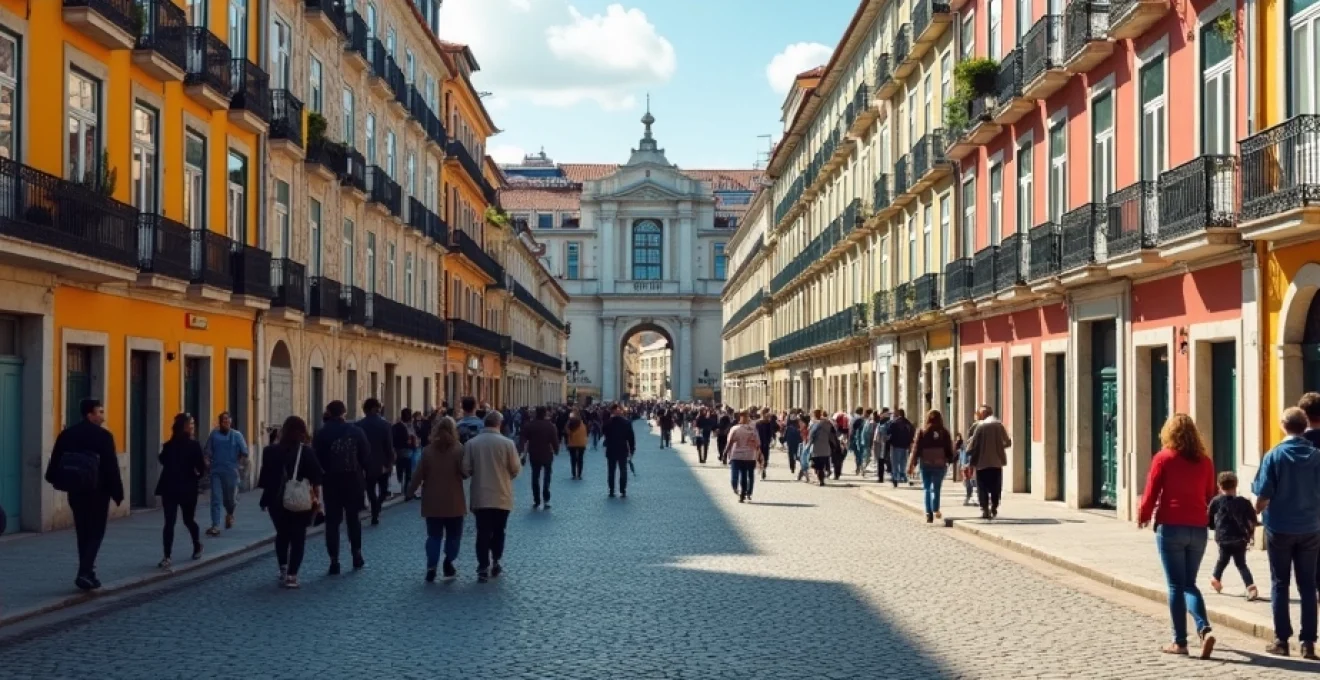
Lisbon captivates visitors with its unique blend of medieval charm and maritime grandeur, where cobblestone pathways wind through seven hills adorned with centuries-old monuments and vibrant cultural districts. Portugal’s capital city offers an extraordinary journey through time, from the narrow alleys of Alfama where fado music echoes against ancient walls, to the majestic Manueline architecture of Belém that celebrates the nation’s Age of Discovery. The city’s distinctive yellow trams navigate steep inclines and historic neighborhoods, connecting travelers to architectural masterpieces, panoramic viewpoints, and creative hubs that showcase both preservation and innovation. Each district tells a compelling story of resilience, artistry, and cultural evolution that has shaped one of Europe’s most enchanting capitals.
Alfama district’s medieval cobblestone pathways and fado heritage sites
Alfama stands as Lisbon’s oldest and most atmospheric neighborhood, where medieval streets have remained largely unchanged since the Moorish occupation. This historic quarter survived the devastating 1755 earthquake that destroyed much of the city, preserving its authentic character through narrow alleys, traditional taverns, and residential buildings that seem to defy gravity as they cling to steep hillsides. The district’s labyrinthine layout creates an intimate urban experience where every corner reveals unexpected discoveries, from hidden courtyards to panoramic terraces overlooking the Tagus River.
The cobblestone pathways of Alfama represent more than mere transportation routes; they form the circulatory system of a living museum where fado culture thrives alongside daily neighborhood life. These ancient stones, worn smooth by centuries of foot traffic, create distinctive patterns and textures that vary throughout the district. The traditional Portuguese pavement technique, known as calçada portuguesa , employs limestone and basalt to create decorative mosaics that guide pedestrians through the maze-like streets while adding artistic elements to functional infrastructure.
Largo do chafariz de dentro’s 16th century fountain architecture
The Largo do Chafariz de Dentro showcases Renaissance-era urban planning through its central fountain system, which served as a vital water source for Alfama residents during the 16th century. This architectural monument demonstrates sophisticated hydraulic engineering that channeled fresh water from distant springs through underground aqueducts to reach the neighborhood’s elevated location. The fountain’s ornate stonework features carved religious motifs and royal emblems that reflect the artistic sensibilities of Portugal’s golden age.
Modern restoration efforts have preserved the fountain’s structural integrity while maintaining its historical authenticity. The surrounding plaza functions as a community gathering space where locals continue traditional social practices that have persisted for generations. Archaeological excavations in the area have revealed multiple construction phases, indicating the site’s continuous importance as a water distribution point throughout different historical periods.
Rua de são pedro’s traditional azulejo tile installations
Rua de São Pedro exemplifies Alfama’s decorative tile tradition through elaborate azulejo panels that adorn building facades throughout the street. These ceramic masterpieces, dating from the 17th to 19th centuries, depict religious scenes, geometric patterns, and narrative compositions that transform ordinary residential walls into outdoor art galleries. The blue and white color scheme, influenced by Chinese porcelain imports, became synonymous with Portuguese architectural identity and cultural expression.
The technical production of these tiles required specialized kilns and skilled artisans who perfected glazing techniques over several centuries. Each panel tells specific stories related to Catholic saints, maritime adventures, or domestic life, creating a visual chronicle of Portuguese society. Contemporary conservation projects employ advanced materials and methods to protect these fragile artworks from environmental damage while maintaining their original appearance and historical significance.
Miradouro da senhora do monte’s panoramic viewpoint engineering
The Miradouro da Senhora do Monte represents one of Lisbon’s highest natural observation points, offering 360-degree views across the city’s seven hills and the Tagus estuary. The viewpoint’s strategic positioning takes advantage of the site’s geological elevation, which reaches approximately 180 meters above sea level. Engineering modifications have enhanced accessibility while preserving the natural terrain, including terraced seating areas and protective barriers that ensure visitor safety without obstructing sight lines.
The chapel of Nossa Senhora do Monte, located adjacent to the viewpoint, adds historical context to the site’s spiritual significance for local residents. Pilgrims have visited this location for centuries, seeking blessings for fertility and protection. The panoramic vista encompasses iconic landmarks such as São Jorge Castle, the 25 de Abril Bridge, and the Cristo Rei statue, providing visitors with geographical orientation and photographic opportunities that capture Lisbon’s urban landscape in its entirety.
Casa de fado traditional music venue acoustics
Traditional fado houses in Alfama utilize specific architectural features to optimize acoustic performance for this uniquely Portuguese musical genre. The intimate venues, often converted from residential buildings, employ low ceilings, stone walls, and carefully positioned seating arrangements to create optimal sound projection and audience engagement. These acoustic environments enhance the emotional intensity of fado performances, where the singer’s voice must carry subtle inflections and dramatic variations without electronic amplification.
The musical tradition requires specific spatial relationships between performer and audience, with venues typically accommodating 20-40 guests in close proximity to create an intimate atmosphere. Fado houses maintain strict performance protocols, including silence during songs and respect for the artistic process. The genre’s recognition as UNESCO Intangible Cultural Heritage has elevated preservation efforts for both the music and the venues that nurture this cultural expression.
Beco das cruzes narrow alleyway navigation routes
Beco das Cruzes exemplifies Alfama’s challenging pedestrian circulation through extremely narrow passages that connect different elevation levels within the district. These medieval alleyways, some measuring less than two meters in width, require careful navigation strategies for both residents and visitors. The passages follow the natural topography, creating steep gradients and unexpected turns that reflect organic urban development rather than planned construction.
Modern wayfinding initiatives have implemented discrete signage systems and surface treatments to improve navigation without compromising the area’s historic character. Emergency access considerations have led to specialized protocols for service vehicles and medical assistance, requiring coordination between multiple city departments. The narrow passages create unique microclimates and lighting conditions that contribute to Alfama’s atmospheric qualities and photogenic appeal.
Belém cultural quarter’s manueline architectural masterpieces
The Belém district represents Portugal’s most significant concentration of Manueline architecture, a distinctive style that emerged during the Age of Discovery to celebrate maritime achievements and national prosperity. This architectural movement, unique to Portugal, combines Gothic structural elements with decorative motifs inspired by nautical themes, exotic discoveries, and royal symbolism. The quarter’s monuments serve as tangible expressions of 16th-century Portuguese power and cultural confidence, when the kingdom controlled vast trading networks spanning four continents.
UNESCO World Heritage recognition has elevated Belém’s global significance while establishing preservation standards for its architectural treasures. The district’s development reflects careful urban planning that balances historical preservation with modern cultural infrastructure, including world-class museums and educational facilities. Visitor statistics indicate that Belém attracts over 2 million tourists annually, making it one of Europe’s most important cultural destinations and a crucial component of Lisbon’s tourism economy.
Mosteiro dos jerónimos Gothic-Renaissance stonework details
The Mosteiro dos Jerónimos showcases the pinnacle of Manueline architectural achievement through its extraordinary stonework that combines Gothic structural systems with Renaissance decorative elements. Master stonemasons employed Lioz limestone, quarried locally, to create intricate facades that feature maritime motifs including twisted ropes, anchors, coral formations, and exotic plants discovered during Portuguese explorations. The monastery’s construction spanned nearly a century, from 1501 to 1601, allowing multiple generations of artisans to contribute to its artistic evolution.
The cloister represents the monument’s architectural crown jewel, where delicate stone tracery creates a interplay of light and shadow throughout different times of day. Each column capital displays unique carved details that require close examination to appreciate the craftsmen’s skill and artistic vision. Recent conservation projects have employed laser cleaning techniques and structural reinforcement to preserve the limestone’s integrity while maintaining the original surface textures and decorative clarity.
The monastery’s architectural significance extends beyond aesthetic achievement to represent Portugal’s golden age of exploration and cultural expansion across multiple continents.
Torre de belém defensive fortification structure analysis
The Torre de Belém demonstrates sophisticated 16th-century military engineering adapted for artillery warfare and naval defense strategies. The fortress combines traditional medieval defensive elements with innovative gun positions designed to control access to Lisbon’s harbor through coordinated cannon fire. Its strategic location on a small island in the Tagus River provided commanding views and defensive advantages that protected the city from maritime attacks.
The tower’s architectural design reflects the transition from medieval to Renaissance military thinking, incorporating features such as bartizans, embrasures, and a drawbridge system. The structure’s multiple levels served different defensive functions, from ammunition storage in the lower chambers to observation posts in the upper terraces. Modern structural analysis has revealed the engineering challenges overcome during construction, including foundation work in tidal waters and weight distribution calculations for heavy artillery installations.
Padrão dos descobrimentos maritime monument symbolism
The Padrão dos Descobrimentos, completed in 1960, commemorates the 500th anniversary of Prince Henry the Navigator’s death through monumental sculpture that celebrates Portugal’s maritime achievements. The 52-meter tall limestone monument depicts 33 historical figures arranged in formation behind Henry the Navigator, representing explorers, cartographers, missionaries, and artists who contributed to Portuguese expansion. The structure’s ship-like form symbolizes the caravels that carried Portuguese navigators to unknown territories across the Atlantic, Indian, and Pacific oceans.
The monument’s base features a large compass rose crafted from various colored stones, with a world map indicating dates and locations of Portuguese discoveries. An elevator provides access to the viewing platform, offering panoramic perspectives of the Tagus River and Belém’s architectural ensemble. The monument functions as both a tourist attraction and an educational facility, with exhibitions that explore Portugal’s global impact during the Age of Discovery and its lasting cultural influences.
Museu nacional de arte antiga collection curation methods
The Museu Nacional de Arte Antiga employs advanced curatorial practices to preserve and present Portugal’s most important art collection, spanning from the 12th to 19th centuries. The museum’s conservation laboratories utilize cutting-edge technology including X-ray analysis, infrared photography, and computer modeling to study artworks and develop preservation strategies. Climate control systems maintain precise temperature and humidity levels to protect delicate paintings, sculptures, and decorative objects from environmental damage.
The institution’s collection strategy focuses on acquiring and preserving works that represent Portuguese artistic traditions and cultural exchanges with other civilizations. Notable holdings include the Panels of St. Vincent, attributed to Nuno Gonçalves, and an extensive collection of Indo-Portuguese furniture that demonstrates cultural fusion during the colonial period. Digital cataloging initiatives have made collection information accessible to international researchers and cultural institutions, supporting scholarly collaboration and educational outreach programs.
Tram 28’s historic route through seven hills topography
Tram 28 operates as both functional public transportation and moving cultural experience, traversing a carefully planned route that connects Lisbon’s most significant neighborhoods while navigating the city’s challenging topographical conditions. The legendary yellow tram, utilizing vintage remodelado cars from the 1930s, follows tracks that climb steep gradients up to 13.5% while making sharp turns through narrow streets originally designed for pedestrian traffic. This remarkable engineering achievement demonstrates how historic infrastructure can adapt to modern urban transportation needs while preserving cultural authenticity.
The tram’s route spans approximately 7.2 kilometers and serves 38 stops, connecting diverse districts from Martim Moniz to Campo de Ourique through a journey that takes roughly 48 minutes to complete. Ridership statistics indicate that Tram 28 carries over 4 million passengers annually, including both local commuters and international visitors who consider the ride an essential Lisbon experience. The service operates from 6 AM to 11 PM daily, with frequencies ranging from 10 to 15 minutes depending on time of day and seasonal demand.
The tram’s ability to navigate Lisbon’s seven hills while maintaining reliable service represents a triumph of early 20th-century urban engineering and Portuguese ingenuity.
Graça neighborhood’s miradouro positioning strategy
The Graça neighborhood’s elevated position provides multiple strategic viewpoints that offer distinct perspectives of Lisbon’s urban landscape and Tagus River panorama. The Miradouro da Graça, positioned at 110 meters above sea level, utilizes natural topographical advantages enhanced by thoughtful landscape design that frames significant landmarks including São Jorge Castle, downtown Baixa, and the 25 de Abril Bridge. The viewpoint’s orientation takes advantage of southern exposure for optimal lighting conditions throughout most of the day.
Urban planning considerations have shaped the miradouro’s development to accommodate both casual visitors and organized tour groups while maintaining the site’s residential character. Terraced seating areas and shade structures provide comfort during extended visits, while local vendors offer refreshments and cultural products. The positioning strategy also considers seasonal variations in sun angles and weather patterns to ensure year-round accessibility and visitor satisfaction.
Baixa-chiado commercial district urban planning layout
The Baixa-Chiado district exemplifies 18th-century rational urban planning through its geometric street grid system designed by the Marquês de Pombal following the 1755 earthquake. This reconstruction project created one of Europe’s first seismically-resistant urban designs, incorporating wide avenues, reinforced building structures, and standardized architectural elements that established new safety standards for earthquake-prone regions. The district’s commercial layout optimizes pedestrian circulation and retail accessibility through interconnected squares and covered galleries.
Modern adaptive strategies have preserved the area’s historical character while accommodating contemporary commercial needs including flagship stores, restaurants, and cultural facilities. Pedestrian zones encourage foot traffic and create attractive shopping environments that compete with suburban retail developments. The integration of metro stations and bus terminals maintains the district’s role as a transportation hub while supporting its function as Lisbon’s primary commercial center.
Estrela basilica Neo-Classical architectural elements
The Estrela Basilica demonstrates late 18th-century Neo-Classical architecture through its imposing dome structure and symmetrical facade composition that reflects Enlightenment ideals of order and rational beauty. The church’s architectural program combines baroque spatial concepts with classical proportional systems, creating interior volumes that emphasize both grandeur and spiritual contemplation. The central dome, measuring 65 meters in height, serves as a landmark visible throughout western Lisbon while providing structural and symbolic focus for the building’s design.
Construction materials include marble from Estremoz and Carrara, creating decorative contrasts that enhance the building’s visual impact and durability. The interior decoration features works by prominent Portuguese artists including Machado de Castro and Pedro Alexandrino, demonstrating the integration of architecture and fine arts characteristic of the period. Recent restoration projects have addressed structural concerns while preserving original decorative elements and improving accessibility for contemporary worship and cultural activities.
Campo de ourique residential quarter street grid system
Campo de Ourique represents planned residential development from the late 19th century, featuring a regular street grid system that contrasts with Lisbon’s medieval neighborhoods through its rational organization and consistent building heights. The quarter’s urban design reflects European urbanization trends that prioritized hygiene, circulation, and middle-class housing quality during Portugal’s period of economic modernization. Tree-lined avenues and small neighborhood squares create pleasant pedestrian environments while maintaining efficient vehicle circulation.
The residential architecture displays eclectic influences combining Portuguese traditional elements with international styles including Art Nouveau and early Modernist details. Building regulations established consistent facade treatments and height limits that create visual harmony throughout the district. Contemporary gentrification pressures have led to adaptive preservation strategies that maintain architectural character while accommodating modern housing standards and commercial needs.
Sintra-cascais railway integration with lisbon metropolitan area
The Sintra-Cascais railway line represents a crucial transportation infrastructure that connects Lisbon’s urban core with significant suburban destinations including the UNESCO World Heritage site of Sintra and the coastal resort town of Cascais. This electrified railway system, operated by Comboios de Portugal, serves approximately 40 million passengers annually while maintaining service reliability above 95% through modern rolling stock and comprehensive maintenance programs. The line’s integration with Lisbon’s metropolitan transportation network provides seamless connections through Rossio and Oriente stations, enabling efficient regional mobility for both commuters and tourists.
The railway’s construction in the late 19th century required significant engineering challenges including tunnel construction through rocky terrain and bridge construction across river valleys. Modern upgrades have introduced automated signaling systems, accessibility improvements, and environmental sustainability measures that reduce carbon emissions compared to private vehicle transportation alternatives. The line extends 30 kilometers from Rossio station in central Lisbon to Sintra, with branches serving Cascais and intermediate stations that connect residential communities with employment centers and recreational destinations.
Environmental considerations have driven recent electrification projects and the introduction of energy-efficient rolling stock that reduces noise pollution and air quality impacts. The railway’s role in regional development extends beyond transportation to support tourism economies in both Sintra and Cascais, where historical attractions and coastal amenities depend on accessible connections to Lisbon’s metropolitan area. Integration with bus networks and bicycle facilities at station locations promotes multimodal transportation strategies that reduce dependency on private vehicles.
Tagus river waterfront promenade development projects
The Tagus River waterfront represents Lisbon’s most ambitious urban regeneration initiative, transforming former industrial areas into vibrant public spaces that reconnect the city with its maritime heritage. The Ribeira das Naus promenade extends along the river from Cais do Sodré to Santa Apolónia, creating a continuous pedestrian and cycling corridor that spans nearly 5 kilometers of previously inaccessible waterfront. This development strategy has converted abandoned warehouses, shipping facilities, and railway yards into cultural venues, residential complexes, and recreational areas that serve both residents and visitors.
The promenade’s design incorporates sustainable materials and climate-resilient infrastructure that addresses rising sea levels and increased storm intensity associated with climate change. Native vegetation and permeable surfaces help manage stormwater runoff while creating habitat corridors for urban wildlife. Public art installations and cultural programming activate the space throughout different seasons, ensuring year-round utilization and community engagement. The project’s economic impact includes increased property values in adjacent neighborhoods and the creation of thousands of jobs in hospitality, retail, and cultural sectors.
The waterfront transformation demonstrates how post-industrial cities can reclaim neglected infrastructure to create world-class public amenities that enhance urban livability and economic competitiveness.
Maritime transportation integration includes ferry services that connect Lisbon with communities across the Tagus estuary, reducing traffic congestion while providing scenic travel alternatives. The Terreiro do Paço ferry terminal serves as a transportation hub that combines historic architecture with modern passenger facilities. Water taxi services and recreational boat charters operate from marina facilities that accommodate both commercial and leisure maritime activities, supporting the river’s continued role in urban transportation and tourism.
LX factory creative hub’s industrial heritage preservation techniques
The LX Factory exemplifies adaptive reuse strategies that transform abandoned industrial facilities into thriving cultural and creative spaces while preserving architectural heritage and industrial character. Located beneath the 25 de Abril Bridge in the Alcântara district, this former textile complex has been converted into a mixed-use development that houses artist studios, galleries, restaurants, boutiques, and co-working spaces. The preservation approach maintains original structural elements including exposed brick walls, steel framework, and industrial machinery while introducing contemporary interventions that support new functions.
Heritage preservation techniques employed at LX Factory include selective restoration of significant architectural features and the retention of industrial artifacts that provide historical context and artistic inspiration. Original factory windows, loading dock structures, and mechanical equipment serve as design elements that celebrate the site’s manufacturing legacy. Modern additions utilize reversible construction methods that allow future modifications without damaging historic fabric, ensuring long-term preservation flexibility.
The creative hub’s success demonstrates the economic viability of cultural-led regeneration strategies that attract young professionals, tourists, and creative industries to previously neglected urban areas. Visitor statistics indicate that LX Factory receives over 2 million annual visits, generating significant economic activity while maintaining its authentic character and artistic mission. The development model has inspired similar projects throughout Lisbon and other Portuguese cities, establishing best practices for industrial heritage adaptive reuse.
Community engagement programs ensure that local residents benefit from the area’s transformation through employment opportunities, cultural programming, and improved urban amenities. Artist residency programs and creative workshops provide platforms for emerging talent while maintaining connections to Lisbon’s broader cultural ecosystem. The facility’s event programming includes markets, festivals, and exhibitions that attract diverse audiences and support the creative economy’s growth and sustainability.
Environmental sustainability initiatives at LX Factory include renewable energy installations, waste reduction programs, and water conservation measures that demonstrate responsible development practices. Green roof installations and urban agriculture projects create productive landscapes while managing stormwater and improving air quality. These environmental innovations position the creative hub as a model for sustainable urban development that balances economic growth with ecological responsibility.