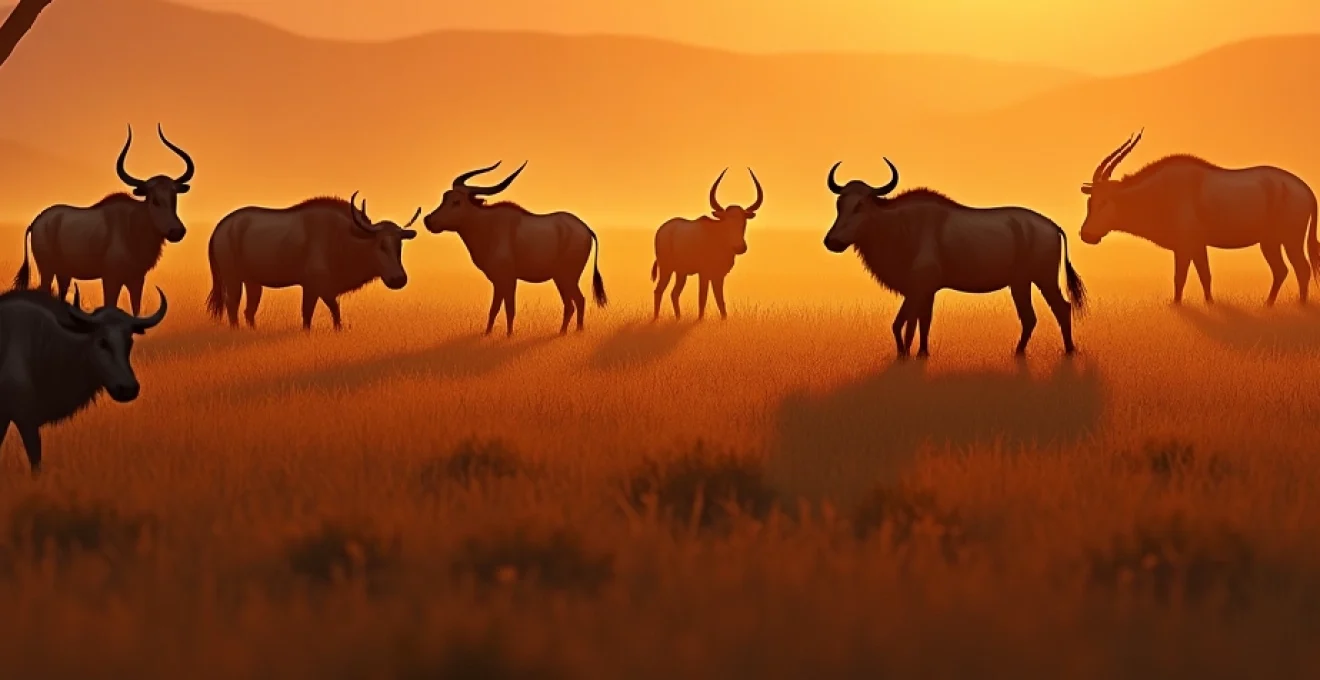
Tanzania stands as Africa’s premier safari destination, where the raw beauty of untamed wilderness meets extraordinary wildlife spectacles that have captivated adventurers for generations. This East African nation harbors some of the continent’s most pristine ecosystems, from the endless plains of the Serengeti to the volcanic crater floors of Ngorongoro, each offering unique opportunities to witness nature’s most dramatic performances. The country’s commitment to conservation, combined with its diverse landscapes and abundant wildlife populations, creates an unparalleled safari experience that transforms casual observers into passionate wildlife enthusiasts.
What sets Tanzania apart from other African destinations is not merely the quantity of wildlife, but the quality of encounters you’ll experience in these protected wilderness areas. The intricate dance between predator and prey unfolds daily across vast savannas, while ancient migration routes continue to pulse with life as they have for millennia. Every game drive becomes a masterclass in natural history, where experienced guides reveal the subtle behaviors and complex relationships that govern these remarkable ecosystems.
Serengeti national park migration patterns and peak wildlife viewing seasons
The Serengeti ecosystem represents one of Earth’s most complex and fascinating natural phenomena, where over 1.5 million wildebeest, accompanied by 250,000 zebras and countless gazelles, embark on their eternal circular journey across 12,000 square miles of African wilderness. This migration follows ancient pathways carved by generations of hoofprints, responding to seasonal rainfall patterns and the resulting grass growth cycles that sustain these massive herds.
The Great Migration is not simply a movement from point A to point B, but rather a continuous clockwise circuit that follows the rains and fresh grasslands throughout the year.
Understanding migration timing becomes crucial for safari planning, as different seasons offer dramatically different wildlife viewing opportunities. From December through March, the herds concentrate in the southern Serengeti’s short-grass plains, where abundant nutrients support pregnant females preparing for the calving season. April and May bring the long rains, prompting the herds to begin their northwestern journey toward the Western Corridor and eventually the northern reaches near the Kenyan border.
Great wildebeest migration calving season in ndutu plains
The Ndutu Plains, straddling the border between Serengeti National Park and the Ngorongoro Conservation Area, transforms into nature’s most spectacular nursery from January through March. During this period, approximately 400,000 wildebeest calves are born within a concentrated six-week window, creating an extraordinary concentration of new life that attracts predators from across the ecosystem. The timing of this calving season represents an evolutionary masterpiece, as mothers synchronize births to overwhelm predators and maximize survival rates.
This phenomenon creates unparalleled wildlife photography opportunities, as newborn calves must learn to walk and run within minutes of birth to keep pace with the constantly moving herds. The nutrient-rich short grasses of the Ndutu area, enhanced by volcanic ash from the nearby Ngorongoro highlands, provide essential minerals that pregnant and nursing mothers require during this demanding period.
Mara river crossing dynamics at northern serengeti
The Mara River crossings between July and October represent the migration’s most dramatic and dangerous moments, where thousands of wildebeest and zebras must navigate crocodile-infested waters to reach the lush grasslands of Kenya’s Masai Mara. These crossings occur at specific points along the river where banks are low enough to allow access, creating natural bottlenecks that concentrate both prey animals and their predators.
The unpredictable nature of these crossings adds to their mystique, as herds may gather for days at river banks before a few brave individuals trigger a massive surge across the rushing waters. Nile crocodiles, some measuring over 16 feet in length, patrol these crossing points throughout the season, making each river traverse a life-or-death gamble for the migrating animals.
Predator concentration zones during migration corridors
The Great Migration serves as a moving feast that sustains the Serengeti’s impressive predator populations, including over 3,000 lions, 1,000 leopards, and 300 cheetahs. These predators have evolved hunting strategies specifically adapted to capitalize on the migration’s predictable patterns, with different species occupying distinct ecological niches along the migration routes.
Lion prides establish territories along known migration corridors, timing their breeding seasons to coincide with peak prey availability. Cheetahs follow the herds more closely, using their superior speed to hunt in the open plains, while leopards remain in woodland areas, ambushing animals that venture too close to cover. This predator-prey dynamic creates a complex web of interactions that visitors can observe throughout different stages of the migration cycle.
Seasonal rainfall impact on game distribution patterns
Tanzania’s wildlife distribution patterns are inextricably linked to the country’s bimodal rainfall system, with short rains from November to December and long rains from March to May. These precipitation patterns determine grass growth cycles, water availability, and ultimately the movement patterns of both herbivores and their predators across the ecosystem.
During dry seasons, wildlife concentrates around permanent water sources, creating predictable viewing opportunities near rivers, springs, and man-made waterholes. Conversely, wet seasons disperse animals across vast areas as temporary water sources become available, requiring more extensive game drives to locate wildlife but offering opportunities to explore diverse habitats and observe breeding behaviors.
Ngorongoro crater floor ecosystem and big five encounters
The Ngorongoro Crater, often referred to as Africa’s Eden, represents a unique ecosystem contained within the 100-square-mile floor of an ancient volcanic caldera. This natural amphitheater supports one of Africa’s densest concentrations of large mammals, with an estimated 25,000 animals residing permanently within the crater’s protective walls. The crater’s self-contained nature creates a microcosm of African wildlife where predators and prey exist in delicate balance, largely isolated from outside influences.
What makes Ngorongoro truly exceptional is its status as one of the few places on Earth where you can realistically encounter all of Africa’s Big Five—lion, leopard, elephant, buffalo, and rhinoceros—in a single game drive. The crater floor’s diverse habitats, from grasslands and acacia woodlands to freshwater lakes and alkaline springs, support this remarkable biodiversity within a relatively compact area. The permanent water sources and year-round grazing ensure that most animals remain within the crater throughout their entire lives, creating unique behavioral adaptations and genetic characteristics distinct from their counterparts in surrounding areas.
Crater rim descent routes and wildlife photography positioning
Descending into the Ngorongoro Crater requires careful planning and timing to maximize wildlife viewing opportunities while minimizing crowding at popular locations. The crater features several designated descent routes, each offering different advantages depending on your photographic goals and preferred wildlife encounters. The Seneto descent road provides the most direct access to the crater floor’s central plains, while the Lemala route offers superior positioning for sunrise photography sessions.
Strategic positioning becomes crucial for wildlife photography within the crater, as the morning light creates optimal conditions for capturing the dramatic interplay between the crater’s towering walls and its resident wildlife. Professional guides understand the subtle differences in animal behavior patterns throughout the day, positioning vehicles to take advantage of predictable movements between feeding, watering, and resting areas.
Lerai forest black rhinoceros population monitoring
The Ngorongoro Crater harbors one of Tanzania’s most important black rhinoceros populations, with approximately 60 individuals representing a critical genetic reservoir for this critically endangered species. These rhinos benefit from the crater’s natural protection and intensive anti-poaching efforts, but their small population size and limited genetic diversity present ongoing conservation challenges that require constant monitoring and management.
Rhino sightings within the crater have become increasingly precious experiences, as these magnificent creatures face continued pressure from poaching activities despite enhanced security measures. The Lerai Forest area provides essential habitat for these browsers, offering dense vegetation that supports their feeding requirements while providing cover from both predators and human disturbance.
Alkaline lake magadi flamingo aggregations
Lake Magadi, the crater’s alkaline soda lake, creates a stunning pink spectacle when thousands of lesser flamingos gather to feed on the abundant blue-green algae that thrive in the lake’s highly mineralized waters. These flamingo congregations fluctuate dramatically based on water levels and algae concentrations, with peak numbers often exceeding 20,000 individuals during optimal conditions.
The lake’s alkaline chemistry, influenced by volcanic activity and high evaporation rates, creates unique feeding opportunities for specialized species while excluding many fish and other aquatic organisms. This selective environment supports not only flamingos but also various waterbird species that have adapted to the challenging conditions, creating diverse bird photography opportunities throughout the year.
Masai village cultural integration programs
The Ngorongoro Conservation Area represents a unique model where traditional Maasai pastoralism coexists with wildlife conservation, allowing approximately 60,000 Maasai people to continue their ancestral lifestyle within this UNESCO World Heritage Site. Cultural integration programs provide visitors with authentic opportunities to learn about Maasai traditions, from cattle herding practices to traditional medicine knowledge, while supporting local communities through tourism revenue.
These cultural encounters offer profound insights into the complex relationships between traditional societies and wildlife conservation, demonstrating how indigenous knowledge systems have contributed to ecosystem preservation for centuries. Visitors can participate in traditional ceremonies, learn about Maasai architecture and crafts, and understand how modern conservation efforts incorporate traditional ecological knowledge to achieve sustainable wildlife management.
Tarangire national park elephant research and baobab landscapes
Tarangire National Park distinguishes itself through its exceptional elephant populations and iconic baobab-studded landscapes that create some of Africa’s most photographically striking safari settings. The park supports one of Tanzania’s largest elephant concentrations, with herds numbering in the hundreds gathering along the Tarangire River during dry season months. These elephant populations have been the subject of extensive research programs that have revealed complex social structures, migration patterns, and adaptive behaviors that help these giants survive in increasingly fragmented habitats.
The park’s distinctive ecosystem is dominated by ancient baobab trees, some over 1,000 years old, which serve as landmark navigation points for both wildlife and visitors. These massive trees, with their characteristic bottle-shaped trunks and sparse canopies, create a surreal landscape that appears almost prehistoric in its grandeur. During dry seasons, elephants strip bark from baobabs to access stored water, creating a dynamic interaction between the park’s largest mammals and its most iconic plant species.
Beyond elephants, Tarangire supports diverse wildlife populations including large predator densities, with lions frequently observed resting in the shade of baobab canopies during midday heat. The park’s seasonal swamps attract numerous waterbirds, while its acacia woodlands provide habitat for leopards, wild dogs, and various antelope species. Tree-climbing pythons and other reptiles add to the park’s biodiversity, creating opportunities for specialized wildlife photography that extends beyond traditional big game viewing.
Tarangire’s elephant research programs have revealed that family groups maintain complex social networks spanning multiple generations, with matriarchs leading herds along traditional migration routes that have been used for decades.
Northern circuit premium safari lodge positioning and game drive strategies
The positioning of premium safari lodges throughout Tanzania’s Northern Circuit reflects decades of accumulated knowledge about wildlife movement patterns, optimal viewing conditions, and guest experience enhancement. Strategic lodge placement near permanent water sources, migration corridors, and territorial boundaries of large predators ensures consistent wildlife viewing opportunities while minimizing environmental impact through careful site selection and sustainable construction practices.
Modern safari lodge design incorporates elevated viewing platforms, strategically positioned infinity pools, and carefully planned room orientations that maximize wildlife viewing opportunities without disturbing natural animal behaviors. Many premium lodges employ resident naturalists who conduct detailed game drive briefings, explaining seasonal animal movements and optimal timing for specific wildlife encounters based on decades of field experience and local knowledge.
Game drive strategies have evolved significantly with technological advances including GPS tracking, radio communication networks, and detailed wildlife behavior databases that guides use to predict animal movements and optimize route selection. Professional guides coordinate through radio networks to share real-time wildlife sighting information, ensuring that guests experience the most exciting encounters while maintaining respectful distances that prioritize animal welfare over photographic opportunities.
The integration of cultural experiences within premium safari packages reflects growing recognition that authentic African safari experiences must include meaningful interactions with local communities. Many lodges partner with nearby villages to offer cultural programs, employ local guides and staff, and support community development projects that demonstrate how tourism revenue contributes to conservation and social welfare initiatives throughout the region.
Tanzania wildlife research institute conservation programs and tourist impact
The Tanzania Wildlife Research Institute (TAWIRI) coordinates comprehensive conservation programs that balance scientific research objectives with tourism industry needs, recognizing that sustainable wildlife viewing generates essential revenue for conservation activities. These programs encompass population monitoring, habitat assessment, human-wildlife conflict mitigation, and anti-poaching operations that require substantial funding sources, with tourism revenue providing crucial financial support for ongoing conservation efforts.
Tourist impact assessment has become increasingly sophisticated, utilizing GPS tracking data, visitor behavior monitoring, and ecological impact measurements to optimize game viewing routes and minimize disturbance to wildlife populations. Research programs examine how vehicle emissions, noise levels, and human presence affect animal behavior patterns, feeding this information back to tour operators and guides to refine best practices for sustainable wildlife viewing.
Conservation success stories throughout Tanzania demonstrate the positive correlation between well-managed tourism and wildlife population recovery, with several species showing significant population increases in areas where tourism revenue supports intensive protection measures. Elephant populations in key parks have stabilized or increased due to enhanced anti-poaching efforts funded through tourism revenue, while community conservation programs create economic incentives for local participation in wildlife protection activities.
The challenge of balancing tourist access with conservation priorities requires ongoing research into carrying capacity limits, seasonal access restrictions, and visitor education programs that promote responsible wildlife viewing behaviors. Adaptive management strategies allow for real-time adjustments to tourism policies based on wildlife population trends, environmental conditions, and visitor impact assessments that inform sustainable tourism development throughout Tanzania’s protected areas.
Professional safari guide certification standards and wildlife tracking methodologies
Tanzania’s professional safari guide certification system represents one of Africa’s most rigorous training programs, requiring extensive field experience, comprehensive wildlife knowledge examinations, and ongoing professional development to maintain certification status. Guide training encompasses multiple disciplines including wildlife biology, ecology, conservation, first aid, cultural sensitivity, and communication skills that enable guides to provide educational and safe safari experiences for diverse international clientele.
Wildlife tracking methodologies employed by certified guides combine traditional indigenous knowledge with modern scientific techniques, utilizing spoor identification, behavioral pattern recognition, and habitat analysis to locate animals efficiently while minimizing environmental disturbance. Advanced guides can interpret subtle signs including feeding remnants, territorial markings, and social interaction indicators that reveal detailed information about animal populations, health status, and behavioral patterns that enhance visitor understanding and appreciation.
The integration of technology into guide training programs includes GPS navigation systems, wildlife identification applications, and communication networks that enhance safety and educational value of safari experiences. However, traditional skills remain paramount, with emphasis on developing intuitive understanding of animal behavior, weather pattern recognition, and landscape interpretation that cannot be replicated through technological means alone.
Continuing education requirements ensure that certified guides remain current with conservation developments, research findings, and industry best practices that evolve continuously within the rapidly changing safari industry. Professional guide associations facilitate knowledge sharing, mentorship programs, and specialized training workshops that maintain high standards while fostering innovation in safari guiding techniques and visitor engagement strategies that enhance Tanzania’s reputation as a world-class safari destination.