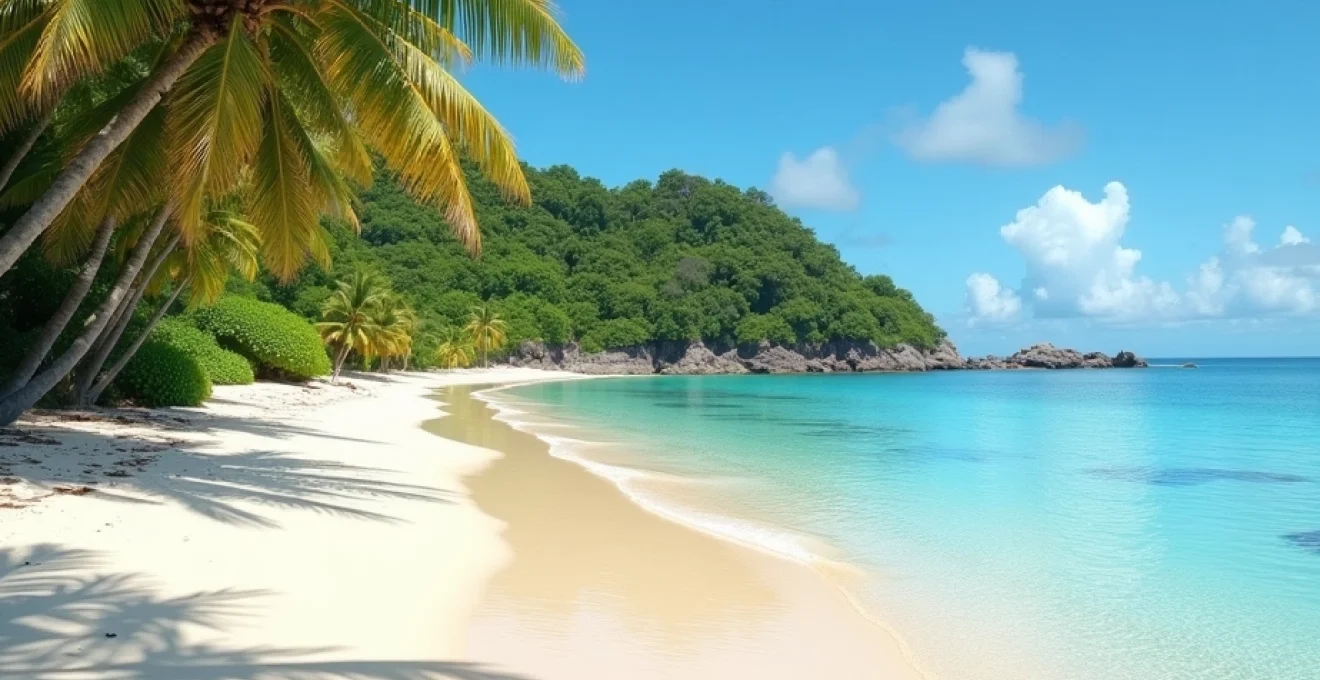
The Seychelles archipelago stands as one of the world’s most remarkable marine and terrestrial ecosystems, where ancient geological formations meet vibrant biodiversity in a stunning display of natural beauty. Located in the western Indian Ocean, these 115 islands showcase extraordinary coastal environments that have evolved over millions of years. From the iconic granite boulder formations of La Digue to the pristine coral atolls of Aldabra, Seychelles presents visitors with an unparalleled opportunity to witness the intricate relationship between geological processes and marine life. The islands’ pristine beaches serve as gateways to understanding complex ecological systems, where endemic species thrive alongside remarkable geological formations that tell the story of Earth’s ancient past.
Anse source d’argent: granite boulder formations and marine ecosystem dynamics
The legendary Anse Source d’Argent represents one of the most photographed beaches in the world, where massive granite boulders create a dramatic landscape that has captured the imagination of visitors for generations. These imposing formations, some reaching heights of over 15 meters, create a natural amphitheater that protects the shallow lagoons behind them. The interplay between these ancient rock structures and the surrounding marine environment establishes a unique ecosystem where various species have adapted to thrive in both terrestrial and aquatic environments.
The beach’s distinctive character emerges from the complex relationship between its geological features and biological communities. Tidal pools formed between the granite outcrops serve as nurseries for juvenile marine species, while the protected lagoons provide ideal conditions for coral growth and fish reproduction. This dynamic environment supports over 150 species of fish, making it one of the most biodiverse coastal areas in the Seychelles archipelago.
Precambrian granite weathering patterns at la digue island
The granite formations at Anse Source d’Argent originated approximately 750 million years ago during the Precambrian era, representing some of the oldest exposed rock formations in the Indian Ocean region. These ancient granitic intrusions have undergone extensive weathering processes that have sculpted the distinctive rounded boulders visible today. The tropical climate’s combination of high temperature, humidity, and seasonal rainfall has accelerated chemical weathering, creating the smooth, curved surfaces that characterize these formations. Feldspar crystals within the granite have gradually decomposed into clay minerals, while quartz components have remained relatively intact, contributing to the speckled appearance of the weathered surfaces.
Endemic aldabra giant tortoise habitat integration
The coastal vegetation zones surrounding Anse Source d’Argent provide critical habitat for the endemic Aldabra giant tortoises, which have established feeding territories that extend from the beach margins to the inland forest areas. These magnificent creatures, some weighing over 250 kilograms, play a crucial role in seed dispersal and vegetation management throughout the coastal ecosystem. Their grazing patterns have influenced the distribution of native plant species, creating a mosaic of grasslands and shrublands that support diverse wildlife communities. The tortoises’ preference for tender shoots and fruits has shaped the evolution of local plant species, many of which have developed specialized adaptations to survive this unique herbivory pressure.
Coral reef biodiversity hotspots in shallow lagoons
The protected lagoons behind the granite boulder formations at Anse Source d’Argent harbor exceptional coral reef communities that thrive in the calm, nutrient-rich waters. Over 65 species of hard corals have been documented in these shallow areas, including rare Acropora formations and massive brain corals that serve as foundational species for the entire ecosystem. The lagoons’ unique hydrodynamics, influenced by tidal movements and granite barrier effects, create ideal conditions for coral growth and reproduction. Water temperatures remain relatively stable between 26-29°C throughout the year, while the granite formations provide protection from strong currents and wave action that could damage delicate coral structures.
Coco de mer palm conservation zones
The coastal areas adjacent to Anse Source d’Argent contain critical conservation zones for the legendary Coco de Mer palms, which represent one of the most iconic endemic species in the Seychelles archipelago. These remarkable palms, producing the world’s largest seeds weighing up to 25 kilograms, require specific environmental conditions that are found only in limited coastal and inland areas. The conservation zones encompass approximately 180 hectares of protected habitat where these ancient palms continue their slow reproductive cycles. Female trees begin producing nuts only after 25-40 years of growth, making population recovery a long-term conservation challenge that requires sustained protection efforts.
Praslin island’s vallée de mai UNESCO world heritage marine interface
Praslin Island’s remarkable Vallée de Mai represents a unique intersection between terrestrial and marine ecosystems, where the prehistoric palm forest extends its influence to the surrounding coastal waters. This UNESCO World Heritage Site demonstrates how ancient forest systems can impact marine environments through nutrient cycling, freshwater inputs, and sediment transport processes. The valley’s pristine watershed contributes essential minerals and organic matter to adjacent coral reef systems, supporting biodiversity that extends far beyond the forest boundaries.
The marine interface zone surrounding Praslin Island showcases exceptional biodiversity levels, with over 180 species of fish documented in nearshore waters. The island’s complex coastline, featuring numerous bays and inlets, creates diverse marine habitats ranging from shallow seagrass beds to deeper coral slopes. These varied environments support different ecological niches, allowing for the coexistence of species with varying habitat requirements and feeding strategies.
Endemic seychelles black parrot coastal nesting behaviors
The critically endangered Seychelles black parrot, found exclusively on Praslin Island, exhibits fascinating coastal nesting behaviors that demonstrate the species’ adaptation to island environments. These remarkable birds, numbering fewer than 800 individuals, prefer nesting sites in large takamaka trees located within 500 meters of the coastline. Their proximity to marine environments influences their diet, which includes salt-tolerant fruits and seeds from coastal vegetation. The parrots’ nesting cycle coincides with seasonal changes in marine productivity, suggesting evolutionary adaptations that link terrestrial breeding success with ocean conditions. Recent studies indicate that successful breeding pairs tend to select territories that provide access to both forest resources and coastal food sources.
Prehistoric pandanus species adaptation to coastal salinity
The endemic Pandanus species found along Praslin’s coastline demonstrate remarkable adaptations to high salinity conditions that would prove lethal to most plant species. These prehistoric plants, resembling ancient cycads, have developed specialized root systems that can filter salt from groundwater while maintaining essential nutrient uptake. Their distinctive prop roots extend deep into coastal soils, accessing freshwater lenses that float above denser saltwater intrusions. The plants’ waxy leaf surfaces and modified stomata help minimize water loss in the challenging coastal environment, where salt spray and high evaporation rates create constant physiological stress.
Anse lazio granite outcrop geological formations
Anse Lazio’s spectacular granite outcrops represent some of the most geologically significant formations in the Seychelles archipelago, displaying evidence of multiple episodes of magma intrusion and subsequent weathering processes. These formations contain distinctive mineral assemblages including orthoclase feldspar, biotite mica, and accessory minerals that provide insights into the deep crustal processes that formed the Seychelles microcontinent. The granite’s coarse-grained texture indicates slow cooling deep within the Earth’s crust, while the presence of pegmatite veins suggests late-stage hydrothermal activity. Weathering patterns reveal the differential resistance of various minerals, with quartz-rich areas forming resistant ridges while feldspar-dominated zones have eroded into rounded depressions.
Indian ocean monsoon impact on coastal erosion patterns
The seasonal monsoon patterns that influence the western Indian Ocean region play a critical role in shaping coastal erosion and deposition processes throughout Praslin Island. During the northwest monsoon season from November to March, increased wave energy and altered current patterns accelerate erosion along exposed coastlines while promoting sediment deposition in protected bays. The southeast monsoon period from May to September brings different wave orientations and wind patterns that redistribute coastal sediments and influence longshore transport processes. These seasonal variations create dynamic beach profiles that change dramatically throughout the year, with some areas experiencing several meters of vertical change in sand elevation.
Mahé island coastline: tropical cyclone resilience and beach morphology
Mahé Island’s diverse coastline demonstrates remarkable resilience to tropical cyclone impacts, showcasing natural adaptation mechanisms that have evolved over millennia of exposure to extreme weather events. The island’s 65 beaches display varied morphological characteristics that reflect different levels of exposure to cyclone-generated waves and storm surge. Protected bays along the western coast maintain relatively stable beach profiles, while exposed eastern shores experience dramatic seasonal changes in sand distribution and coastal vegetation patterns. These dynamic systems have developed sophisticated feedback mechanisms that allow rapid recovery following major storm events.
The island’s coral reef systems play a crucial role in coastal protection, dissipating wave energy and reducing erosion during extreme weather events. Fringing reefs along Mahé’s coastline absorb up to 90% of incoming wave energy during normal conditions, while providing continued protection even when damaged by cyclonic storms. The three-dimensional structure of healthy coral reefs creates complex hydrodynamic patterns that promote sediment retention and beach stability. Research indicates that areas with intact reef systems recover from storm damage 60% faster than coastlines without coral protection.
Recent studies have shown that Mahé’s beaches demonstrate remarkable adaptation to climate change impacts, with natural processes maintaining coastal stability despite rising sea levels and increased storm intensity.
The morphological diversity of Mahé’s beaches reflects the complex interplay between geological structure, marine processes, and tropical climate conditions. Granite headlands create natural barriers that compartmentalize beach systems, allowing each segment to develop unique characteristics based on local exposure and sediment supply. Some beaches feature coarse coral sand derived from offshore reef systems, while others contain fine quartz grains weathered from granite formations. This sedimentary diversity supports different ecological communities and provides varied habitat types for both terrestrial and marine species.
Aldabra atoll marine protected area: coral bleaching recovery mechanisms
Aldabra Atoll stands as one of the world’s most pristine marine protected areas, offering unique insights into coral reef resilience and recovery mechanisms following bleaching events. This UNESCO World Heritage Site encompasses over 35,000 hectares of marine habitat, including extensive coral reef systems that have demonstrated remarkable ability to recover from thermal stress events. The atoll’s remote location and minimal human impact provide ideal conditions for studying natural recovery processes that may inform conservation strategies in other reef systems worldwide.
The atoll’s coral communities have developed sophisticated physiological and ecological adaptations that enhance their resilience to temperature fluctuations and other environmental stressors. Symbiotic relationships between corals and various algae species provide flexibility in responding to changing conditions, while diverse coral morphologies offer different survival strategies during stress events. The presence of deep water channels and lagoons creates thermal refugia where sensitive species can survive during warming episodes, serving as sources for recolonization of damaged areas.
Aldabra’s coral reefs have shown recovery rates of up to 40% within five years following major bleaching events, demonstrating the importance of pristine marine protected areas in maintaining ecosystem resilience.
The atoll’s unique geomorphology influences water circulation patterns that enhance coral survival and recovery. Strong tidal currents flush the lagoon system twice daily, bringing nutrient-rich oceanic water while removing metabolic wastes and sediments. These circulation patterns maintain water quality conditions that support healthy coral growth and reproduction, even during periods of elevated sea surface temperatures. The complex bathymetry of the atoll creates diverse microhabitats where different coral species can find optimal conditions for survival and reproduction.
Seychelles inner islands granitic formation vs outer islands coralline structure
The Seychelles archipelago presents a fascinating geological dichotomy between the ancient granitic inner islands and the younger coralline outer islands, each supporting distinct coastal ecosystems and marine communities. The 43 inner islands, dominated by Precambrian granite formations, create dramatically different coastal environments compared to the 72 outer islands built entirely from coral limestone. This geological diversity results in contrasting beach types, marine habitats, and species distributions that demonstrate how underlying geology shapes biological communities across oceanic island systems.
The granitic inner islands feature steep coastal profiles with deep water close to shore, supporting different marine communities than the shallow platforms surrounding coralline atolls. Rocky intertidal zones along granite coastlines provide habitat for specialized species adapted to high-energy wave environments, while protected bays support seagrass beds and coral gardens. In contrast, the outer islands’ extensive shallow platforms create ideal conditions for coral growth and support some of the most diverse reef fish communities in the Indian Ocean region.
Quaternary sea level fluctuations and beach formation
The formation of modern beach systems throughout the Seychelles archipelago reflects complex interactions between Quaternary sea level fluctuations and local geological structures. During the Last Glacial Maximum approximately 20,000 years ago, sea levels dropped by over 120 meters, exposing extensive areas that are now submerged. As sea levels rose during deglaciation, waves and currents reworked exposed coral platforms and granite weathering products, creating the diverse sedimentary environments visible today. The timing and magnitude of these sea level changes influenced the distribution of coral reefs, which established themselves on drowned platforms during periods of rapid sea level rise.
Endemic seychelles magpie robin coastal territory distribution
The critically endangered Seychelles magpie robin demonstrates highly specialized coastal territory requirements that reflect millions of years of evolution in isolated island environments. Current populations, numbering fewer than 300 individuals, maintain territories that typically include both beach areas and adjacent forest habitats. These birds exhibit remarkable site fidelity, with breeding pairs maintaining the same territories for multiple years. Their foraging behavior focuses on invertebrates found in beach wrack and coastal vegetation, requiring territories that provide reliable food sources throughout seasonal fluctuations. Conservation efforts have successfully expanded the species’ range to five islands, demonstrating the importance of maintaining habitat connectivity between coastal and forest ecosystems.
Tropical cyclone berguitta 2018 coastal impact assessment
Tropical Cyclone Berguitta, which struck the Seychelles in January 2018, provided valuable insights into coastal resilience and recovery processes across different island types. The cyclone generated significant wave heights exceeding 8 meters and storm surge elevations of up to 3 meters above normal high tide levels. Granitic islands experienced severe coastal erosion along exposed beaches, with some areas losing over 20 meters of beach width. However, recovery processes began within weeks of the storm’s passage, with natural sediment transport mechanisms redistributing sand from offshore deposits back onto beach systems. Coralline islands showed different response patterns, with some low-lying areas experiencing overwash events that deposited coral fragments and sand across island surfaces.
Hawksbill turtle nesting site selection criteria
Hawksbill sea turtles nesting throughout the Seychelles archipelago demonstrate sophisticated site selection behaviors that maximize reproductive success in challenging coastal environments. These endangered marine reptiles prefer beaches with specific characteristics including appropriate sand grain size, suitable vegetation cover, and optimal temperature regimes for egg development. Nesting females typically select sites between 10-50 meters from the high tide line, where sand temperatures remain within the critical range for successful incubation. The turtles’ site selection process involves testing sand consistency and temperature at multiple locations before committing to nest excavation. Recent research indicates that climate change is altering the thermal properties of nesting beaches, potentially affecting sex ratios of hatchlings and long-term population viability throughout the region.