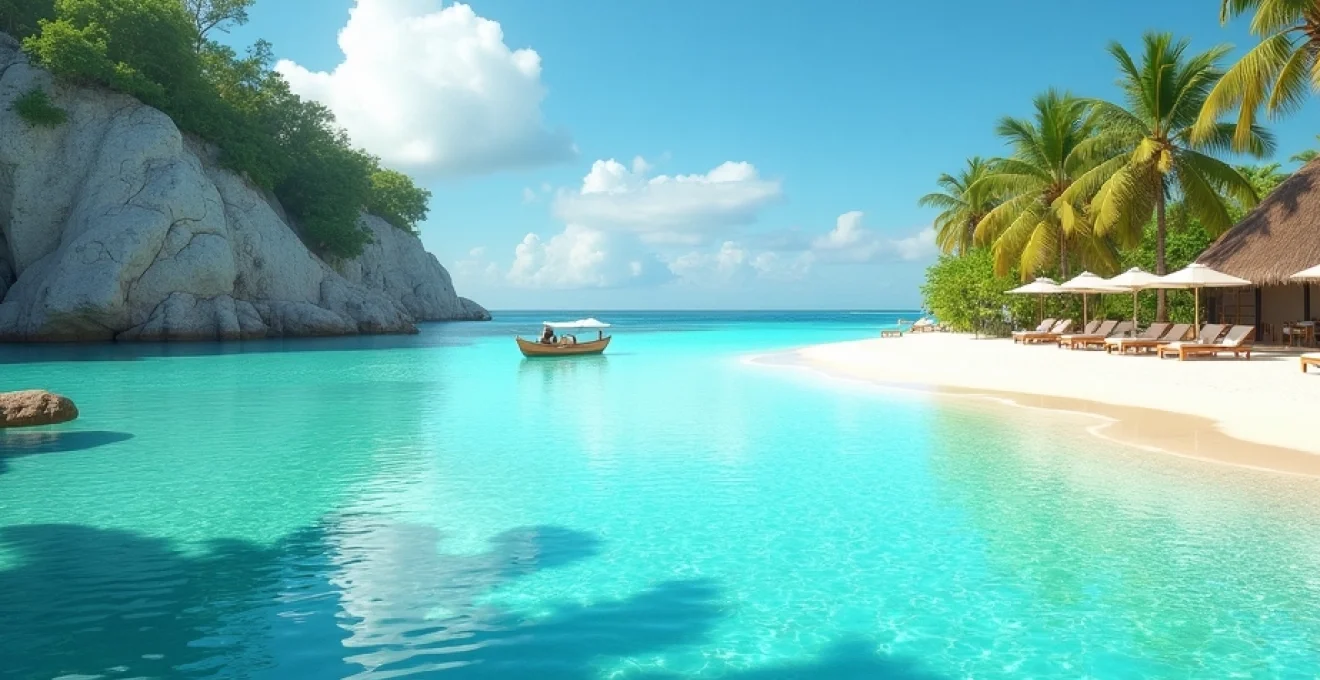
Zanzibar emerges as the ultimate tropical sanctuary where pristine white sand beaches meet crystal-clear turquoise waters of the Indian Ocean. This enchanting archipelago off Tanzania’s coast offers more than just spectacular coastlines – it presents a harmonious blend of authentic Swahili culture , ancient spice trade heritage, and world-class luxury accommodations. The island’s diverse coastal regions cater to every traveler’s dream, from secluded romantic retreats to vibrant kitesurfing destinations. Whether you seek complete relaxation on powdery beaches or adventure through vibrant coral reefs, Zanzibar’s shores provide the perfect backdrop for an unforgettable escape. The island’s unique position along historical trade routes has created a distinctive cultural tapestry that enhances every beach experience with rich traditions and warm hospitality.
Pristine beach destinations along zanzibar’s eastern coastline
The eastern coastline of Zanzibar stretches for miles, offering some of the most spectacular beach experiences in the Indian Ocean region. This coast faces the open ocean, creating consistent wave patterns and steady trade winds that make it ideal for various water sports and activities. The tidal movements along this shore create fascinating natural phenomena, including extensive tidal pools and exposed coral gardens during low tide periods.
Jambiani beach: powdery sand stretches and coral reef snorkeling
Jambiani Beach represents the quintessential Zanzibar coastal experience with its expansive stretches of powdery white sand that extends for several kilometers. The beach maintains a relatively undeveloped atmosphere compared to other tourist hotspots, allowing visitors to experience authentic local fishing village life alongside luxury accommodations. During low tide, the reef becomes accessible for walking, creating natural pools perfect for observing marine life up close.
The coral reef system at Jambiani provides exceptional snorkeling opportunities with visibility often exceeding 30 meters. Marine biodiversity includes colorful parrotfish, angelfish, butterflyfish, and occasional dolphin sightings. Local dhow operators offer morning and afternoon snorkeling excursions to pristine reef sections where coral restoration projects have successfully increased marine life populations by 40% over the past five years.
Paje beach: kitesurfing mecca with consistent southeast trade winds
Paje Beach has earned international recognition as one of Africa’s premier kitesurfing destinations, thanks to consistent southeast trade winds that blow from June through September. The beach’s shallow lagoon and protective coral barrier create ideal conditions for both beginners and advanced riders. Wind speeds average 15-25 knots during peak season, providing perfect conditions for kitesurfing instruction and advanced maneuvers.
Beyond kitesurfing, Paje offers excellent beach walking opportunities during both high and low tides. The local community has developed sustainable tourism initiatives, including seaweed farming cooperatives where visitors can learn about traditional cultivation methods that provide alternative income sources for fishing families. The beach’s social atmosphere includes beachfront restaurants serving fresh seafood and local specialties while maintaining environmental conservation practices.
Matemwe beach: secluded northern peninsula marine sanctuary
Matemwe Beach occupies a privileged position on Zanzibar’s northeastern peninsula, offering unparalleled seclusion and direct access to the Mnemba Atoll Marine Conservation Area. This location provides some of the island’s most pristine snorkeling and diving experiences, with coral formations that remain largely undisturbed by mass tourism. The beach’s relatively isolated position means fewer crowds and more intimate encounters with local fishing communities.
The marine sanctuary surrounding Matemwe supports diverse ecosystems including seagrass beds, coral gardens, and deep-water channels. Visitors frequently encounter sea turtles, rays, and tropical fish species during snorkeling excursions. Local conservation efforts have established turtle nesting protection programs, and guests can participate in evening turtle monitoring activities during nesting season from December through March.
Bwejuu beach: tidal pool exploration and traditional dhow sailing
Bwejuu Beach showcases dramatic tidal variations that create extensive intertidal zones perfect for exploration and marine discovery. During low tide, the ocean recedes up to 500 meters, revealing fascinating tidal pools filled with colorful sea anemones, hermit crabs, and small tropical fish. These natural aquariums provide excellent opportunities for photography and marine biology education without requiring snorkeling equipment.
Traditional dhow sailing from Bwejuu offers authentic cultural experiences combined with coastal exploration. Local boat builders still construct dhows using traditional techniques passed down through generations, and sailing excursions provide insights into centuries-old navigation methods and fishing practices. Evening dhow cruises feature spectacular sunset views while local crews share stories about Zanzibar’s maritime heritage and spice trade history.
Luxury accommodation options for ultimate coastal relaxation
Zanzibar’s luxury hospitality sector has evolved significantly, with world-class resorts now offering sophisticated amenities while respecting local architectural traditions and environmental sustainability. These properties combine international luxury standards with authentic Zanzibari design elements, creating unique experiences that celebrate the island’s cultural heritage. Many luxury resorts have implemented comprehensive sustainability programs, including solar power systems, water recycling, and local community support initiatives.
Four seasons resort zanzibar: private villa experiences with butler service
Four Seasons Resort Zanzibar sets the standard for ultra-luxury island accommodations with its collection of private villas featuring dedicated butler service and direct beach access. Each villa incorporates traditional Zanzibari architectural elements including carved wooden doors, coral stone walls, and Swahili design motifs while providing modern amenities like infinity pools and outdoor dining pavilions. The resort’s personalized service approach ensures each guest receives customized experiences tailored to individual preferences.
The resort’s spa facilities utilize locally sourced ingredients including Zanzibar’s famous spices – cloves, cinnamon, and cardamom – in signature treatments that reflect the island’s aromatic heritage. Dining options feature internationally trained chefs who create innovative menus incorporating fresh seafood and organic produce from the resort’s own gardens and local sustainable farming partnerships.
The residence zanzibar: beachfront suites with indian ocean panoramas
The Residence Zanzibar occupies a spectacular beachfront location with suites designed to maximize Indian Ocean views through floor-to-ceiling windows and expansive terraces. The property’s colonial-inspired architecture features whitewashed walls, terracotta tiles, and tropical gardens that create a serene atmosphere perfect for relaxation and rejuvenation. Each suite includes private outdoor spaces with direct beach access and personalized concierge services.
The resort’s wellness programs incorporate traditional healing practices with modern spa therapies, offering treatments based on ancient Swahili wellness traditions. Guests can participate in spice garden tours, traditional cooking classes, and cultural workshops that provide deeper connections to Zanzibar’s rich heritage while enjoying luxury amenities and world-class hospitality.
Kilindi zanzibar: minimalist architecture and infinity pool design
Kilindi Zanzibar represents contemporary luxury through its distinctive minimalist architecture featuring white domes that echo traditional Arabic design while incorporating modern sustainability features. The resort’s infinity pool design creates seamless visual connections between accommodation spaces and the Indian Ocean horizon. Each pavilion offers complete privacy with individual pools and gardens that provide intimate settings for relaxation and contemplation.
The property’s environmental commitment includes solar heating systems, rainwater harvesting, and organic waste management programs that minimize ecological impact while maintaining luxury standards. Kilindi’s restaurant focuses on farm-to-table dining experiences featuring ingredients sourced from local organic farms and sustainable fishing cooperatives, creating authentic flavors that celebrate Zanzibar’s culinary traditions.
Baraza resort and spa: Arabian-Inspired villas with personal beach access
Baraza Resort and Spa showcases Arabian-inspired architectural design through its collection of luxury villas that feature intricate woodwork, colorful textiles, and traditional furnishings that reflect Zanzibar’s historic connections to Arabian Peninsula trade routes. Each villa provides direct beach access through private pathways lined with tropical vegetation and traditional gardens that create secluded retreat environments.
The resort’s comprehensive spa facility offers treatments inspired by ancient Arabian and Swahili wellness traditions, utilizing aromatic oils and natural ingredients sourced from local spice plantations. Guests can experience traditional hammam treatments, aromatherapy sessions, and holistic wellness programs designed to promote deep relaxation and cultural connection through authentic healing practices.
Traditional dhow cruise experiences and sunset sailing adventures
Traditional dhow sailing represents one of Zanzibar’s most authentic cultural experiences, connecting visitors with centuries-old maritime traditions that shaped the island’s history and identity. These wooden sailing vessels, constructed using techniques passed down through generations, provide unique perspectives on Zanzibar’s coastline while offering insights into traditional navigation methods and fishing practices that continue to sustain local communities.
Modern dhow cruise operators have enhanced traditional experiences with safety equipment and comfortable seating while maintaining authentic sailing techniques and cultural storytelling elements. Sunset cruises typically last 2-3 hours, allowing ample time for photography, swimming, and cultural interaction with experienced local crews who share knowledge about marine ecosystems, weather patterns, and historical trade routes that connected Zanzibar with Arabia, Persia, and India.
The most popular dhow experiences include full-day sailing adventures that combine multiple activities such as snorkeling at pristine coral reefs, beach picnics on secluded sandbanks, and visits to traditional fishing villages where guests can observe daily life and participate in cultural exchanges. These comprehensive excursions often feature traditional Swahili lunch preparations using fresh seafood caught during the sailing experience, creating memorable connections between maritime traditions and culinary heritage.
The gentle rhythm of dhow sailing provides a meditative experience that allows visitors to disconnect from modern pressures while connecting with Zanzibar’s timeless maritime culture and natural beauty.
Specialized dhow operators now offer themed cruises including spice route historical tours, marine conservation education trips, and photography expeditions designed for different interests and skill levels. These experiences contribute to local economic development while preserving traditional boat building skills and maritime knowledge that might otherwise be lost to modernization pressures affecting coastal communities throughout East Africa.
Stone town cultural integration with coastal wellness retreats
Stone Town’s UNESCO World Heritage status reflects its exceptional historical significance as a center for spice trade, cultural exchange, and Swahili civilization development. Modern wellness retreats have successfully integrated this rich cultural heritage with contemporary relaxation experiences, creating holistic programs that nourish both body and mind through authentic cultural immersion and coastal tranquility.
Wellness programs typically combine Stone Town cultural tours with beach-based relaxation activities, allowing participants to explore narrow alleys lined with intricately carved doors, bustling spice markets, and historical sites including the former slave market and Sultan’s Palace. These cultural explorations provide context for understanding Zanzibar’s complex history while creating appreciation for the island’s remarkable cultural diversity and resilience.
Integrated wellness experiences often include traditional spice healing workshops where participants learn about medicinal properties of local spices and herbs used in traditional Swahili healing practices. These educational sessions, led by local herbalists and traditional healers, demonstrate practical applications for common spices like turmeric, ginger, and cardamom in promoting health and wellbeing through dietary and topical applications.
Many retreats incorporate traditional Swahili cooking classes that teach participants to prepare authentic dishes using locally sourced ingredients and traditional cooking methods. These culinary experiences often take place in historic Stone Town courtyards or beachfront pavilions, creating atmospheric settings that enhance learning while providing practical skills for continuing healthy eating practices at home.
The integration of cultural education with wellness practices extends to traditional music and dance workshops where participants learn about Taarab music traditions and traditional dances that reflect Zanzibar’s multicultural heritage. These activities provide physical exercise, cultural education, and social interaction opportunities that contribute to overall wellbeing while supporting local artists and cultural preservation efforts.
Marine conservation areas and coral reef ecosystem protection
Zanzibar’s marine conservation efforts have established several protected areas that safeguard critical coral reef ecosystems while providing sustainable tourism opportunities that support both environmental protection and local community development. The Mnemba Island Marine Conservation Area serves as a flagship example of successful community-based conservation that combines scientific research, local participation, and tourism revenue to achieve measurable environmental improvements.
Recent scientific studies indicate that protected reef areas around Zanzibar have experienced 35% increases in fish diversity and 50% increases in coral cover compared to unprotected areas, demonstrating the effectiveness of conservation measures implemented over the past decade. These improvements result from combined efforts including fishing restrictions, coral restoration projects, and community education programs that engage local fishermen as conservation partners rather than competitors.
Visitors can participate in coral restoration activities through volunteer programs that provide hands-on experience with marine conservation techniques including coral fragment collection, nursery maintenance, and reef transplantation. These programs typically include snorkeling training, marine biology education, and scientific data collection that contributes to ongoing research efforts while creating meaningful connections between tourists and conservation work.
Marine conservation in Zanzibar demonstrates how community involvement and sustainable tourism can create positive environmental outcomes while providing economic opportunities for local populations.
The success of marine protected areas has inspired expansion of conservation efforts to include seagrass bed protection, mangrove restoration, and sea turtle nesting site preservation. These interconnected ecosystems support complex food webs that sustain both marine life and human communities dependent on fishing and tourism industries, creating compelling arguments for continued conservation investment and expansion.
Educational programs associated with marine conservation areas offer visitors opportunities to learn about ocean ecosystem dynamics through guided snorkeling tours, marine biology workshops, and interaction with local researchers conducting ongoing studies. These educational experiences enhance appreciation for marine environments while generating financial support for conservation programs through entrance fees and voluntary contributions from environmentally conscious travelers.
Technology integration in conservation efforts includes underwater camera systems that allow remote monitoring of coral health, fish populations, and visitor impacts without disturbing sensitive environments. Visitors can access real-time data through mobile applications that provide information about current marine conditions, species sightings, and conservation project progress, creating transparency and engagement that supports long-term conservation goals.
Seasonal weather patterns and optimal travel timing for beach activities
Zanzibar’s tropical climate features distinct seasonal patterns that significantly influence beach activities and overall travel experiences. Understanding these weather cycles enables visitors to optimize their timing for specific activities while avoiding periods that might limit outdoor experiences or increase discomfort due to heat, humidity, or precipitation levels.
The dry season from June through October provides the most favorable conditions for beach activities with lower humidity levels, minimal rainfall, and consistent southeast trade winds that moderate temperatures and provide ideal conditions for sailing, kitesurfing, and other wind-dependent activities. Average temperatures during this period range from 24°C to 28°C, creating comfortable conditions for extended outdoor activities without excessive heat stress.
December through February represents another excellent period for beach visits, characterized by hot, dry conditions with temperatures ranging from 28°C to 32°C and minimal precipitation. This period coincides with European winter holidays, making it popular for travelers seeking warm weather escapes. However, higher temperatures may require more frequent breaks in shade and increased hydration during midday activities.
| Season | Temperature Range | Rainfall | Best Activities |
|---|---|---|---|
| June – October | 24°C – 28°C | Minimal | Kitesurfing, Sailing, Diving |
| December – February | 28°C – 32°C | Low | Beach relaxation, Swimming |
| March – May | 26°C – 30°C | Heavy | Spa treatments, Cultural tours |
The rainy seasons, occurring from March through May and November, bring higher precipitation levels that can limit some beach activities but create unique opportunities for cultural exploration, spa treatments, and indoor relaxation experiences. These periods often feature lower accommodation rates and fewer crowds, making them attractive for budget-conscious travelers and those seeking more intimate experiences with local communities and cultural sites.
Diving conditions remain excellent year round, with underwater visibility typically exceeding 25 meters during both dry and wet seasons. However, optimal diving conditions occur from July through August and February through March when water temperatures remain stable at 26-28°C and marine life activity peaks due to favorable currents and plankton concentrations that attract larger species including whale sharks and manta rays.
Wind patterns significantly impact kitesurfing and sailing activities throughout the year. The southeast trade winds blow consistently from June through September with average speeds of 15-25 knots, creating ideal conditions for both beginner and advanced kitesurfers. During December through February, lighter thermal winds develop in the afternoon, making this period better suited for leisurely sailing and relaxed water activities rather than high-energy wind sports.
Temperature variations between seasons remain relatively modest, but humidity levels change dramatically and can significantly affect comfort during outdoor activities. The dry season features humidity levels averaging 65-75%, while wet season humidity can reach 85-95%, making air conditioning and frequent hydration essential for maintaining comfort during beach activities and cultural excursions.
Seasonal marine life patterns also influence optimal timing for specific activities. Sea turtle nesting occurs primarily from December through March, providing unique wildlife viewing opportunities for guests staying at beachfront properties. Dolphin sightings peak during calm weather periods in July through September when crystal-clear water conditions make marine mammal observation more reliable and rewarding for snorkeling and boat excursions.
Photography conditions vary significantly between seasons, with the dry season offering consistently clear skies and dramatic lighting conditions that enhance landscape and underwater photography. Cloud cover during rainy seasons can create diffused lighting that benefits portrait photography and cultural documentation but may limit opportunities for capturing vibrant sunset and sunrise scenes that make Zanzibar’s coastal scenery so spectacular.
Planning your Zanzibar visit around specific seasonal patterns ensures you experience the island’s natural beauty and cultural richness under optimal conditions that enhance every aspect of your coastal retreat.
Advanced travelers often plan multiple visits to experience different seasonal characteristics, as each period offers distinct advantages for various interests and activity preferences. Spring and summer visitors enjoy active water sports and extended daylight hours, while winter travelers benefit from perfect beach relaxation conditions and ideal weather for cultural exploration and spa treatments that complement the coastal wellness experience.