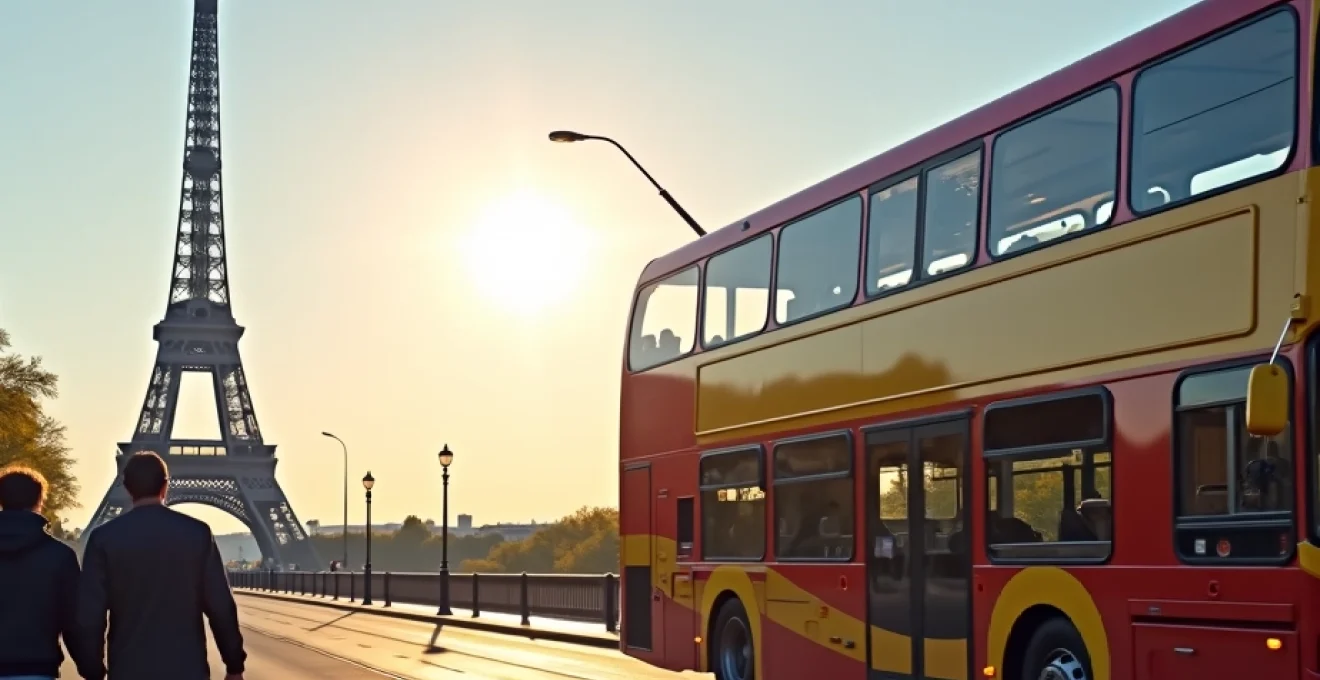
The City of Light reveals its splendor like nowhere else from the elevated vantage point of a panoramic bus. These double-decker vehicles, towering 4 meters above street level, transform the traditional sightseeing experience into an immersive journey through Paris’s architectural heritage. Whether you’re catching the golden hour light cascading across the Seine or witnessing the evening illumination of iconic landmarks, panoramic buses offer an unparalleled perspective of the French capital’s most celebrated monuments.
Paris’s open-top buses have revolutionized urban tourism, providing visitors with 360-degree views that simply cannot be achieved from ground level. The combination of mobility, elevation, and expert commentary creates an ideal introduction to the city’s rich history and stunning architecture. From the comfort of your seat, you’ll witness the seamless blend of medieval Gothic structures, classical Haussmanian boulevards, and modern architectural marvels that define Paris’s unique urban landscape.
Best routes to enjoy Paris’s monuments
Strategic route planning transforms your panoramic bus experience from a simple tour into a comprehensive exploration of Parisian heritage. The most effective itineraries connect major landmarks while showcasing the city’s diverse architectural periods and urban planning evolution. Modern tour operators have perfected these routes through years of experience, ensuring optimal viewing angles and minimal traffic delays during peak sightseeing hours.
Champs-Elysées to place de la Concorde
This prestigious stretch represents the heart of Parisian grandeur, where imperial history meets contemporary luxury. The panoramic view from an elevated bus reveals the careful urban planning that makes this avenue one of the world’s most famous thoroughfares. You’ll appreciate how the perspective creates visual connections between the Arc de Triomphe and the distant Louvre, demonstrating Baron Haussmann’s visionary city planning from the 1850s.
The journey along this route showcases luxury boutiques, historic theaters, and elegant cafés that have welcomed international visitors for over two centuries. From your elevated position, notice how the avenue’s 70-meter width was specifically designed to prevent revolutionary barricades while creating magnificent vistas. The transition from Champs-Élysées to Place de la Concorde offers spectacular views of the Egyptian obelisk and the symmetrical layout of this octagonal square.
Louvre museum to Eiffel Tower
This route connects two of Paris’s most iconic structures while traversing centuries of architectural evolution. The panoramic bus provides unique angles of the Louvre’s glass pyramid, allowing you to appreciate I.M. Pei’s controversial yet brilliant modern addition to the Renaissance palace. As you cross the Seine, the elevated position offers unobstructed views of the museum’s extensive facades and courtyards that would be impossible to capture from street level.
Approaching the Eiffel Tower district, you’ll witness how Gustave Eiffel’s iron lattice masterpiece dominates the Parisian skyline from multiple angles. The panoramic perspective reveals the tower’s relationship with surrounding Haussmannian buildings and the Champ de Mars gardens. This route particularly excels during golden hour , when the iron structure catches the warm light and creates dramatic silhouettes against the Parisian sky.
Montmartre to Sacré-Cœur basilica
The journey to Paris’s highest natural point provides breathtaking panoramic views of the entire city spread below. While panoramic buses cannot navigate the steepest streets of Montmartre itself, they offer spectacular approaching views of the Sacré-Cœur Basilica’s distinctive white domes rising above the bohemian neighborhood. The elevated bus position allows you to appreciate the basilica’s commanding position and its role as a spiritual and visual anchor for northern Paris.
This route showcases the artistic heritage of Montmartre, where you can glimpse the historic windmills, artist squares, and narrow cobblestone streets that have inspired countless painters and writers. The panoramic view reveals how this former village maintains its distinct character despite being absorbed into the greater Parisian metropolitan area. From the bus, you’ll understand why Montmartre became the epicenter of bohemian culture and artistic innovation.
Panoramic buses: A unique perspective
The engineering marvel of modern panoramic buses goes far beyond simple transportation, incorporating sophisticated design elements that maximize passenger comfort while providing optimal viewing experiences. Contemporary Tootbus vehicles feature fully glazed roofs, climate control systems, and retractable canopies that ensure comfort regardless of weather conditions. These technological advances have transformed the traditional open-top bus concept into a year-round sightseeing solution.
The 4-meter elevation advantage provides photographers and sightseers with clear sight lines over traffic, pedestrians, and street-level obstacles that typically obstruct ground-based views. This height advantage becomes particularly valuable when photographing monuments like Notre-Dame Cathedral or the Arc de Triomphe, where the elevated angle reveals architectural details and proportions invisible from street level. Professional tour guides often note that passengers capture their best Paris photographs from these elevated platforms.
Modern panoramic buses incorporate advanced audio systems with multilingual commentary available in up to 10 languages, including specialized children’s programs that make the experience educational for families. The integration of mobile applications allows passengers to access real-time information about monuments, historical context, and practical details about nearby attractions. These digital enhancements transform passive sightseeing into interactive learning experiences that engage visitors of all ages.
The panoramic bus experience offers an unparalleled introduction to Paris, combining comfort, education, and spectacular views in a single journey that showcases the city’s architectural heritage from an optimal vantage point.
Weather protection features ensure that panoramic buses operate year-round, with retractable translucent roofs providing shelter during inclement weather while maintaining visibility. This adaptability makes panoramic buses particularly attractive to tourists with limited time in Paris, as weather delays don’t disrupt sightseeing schedules. The combination of indoor comfort and outdoor visibility creates an ideal compromise for visitors seeking comprehensive city overviews regardless of seasonal conditions.
Paris’s most impressive architectural wonders
The elevated perspective of panoramic buses reveals architectural details and urban relationships that ground-level exploration simply cannot provide. From this vantage point, you’ll appreciate how Paris’s most celebrated monuments were designed to be viewed from multiple angles and distances. The careful integration of buildings, boulevards, and public spaces becomes evident when you can observe the city’s layout from above, revealing the masterful urban planning that makes Paris one of the world’s most photogenic cities.
Gothic Notre-Dame cathedral’s splendor
Despite the devastating 2019 fire, Notre-Dame Cathedral remains one of Paris’s most magnificent architectural achievements, and panoramic buses provide optimal viewing angles of its ongoing restoration. The elevated position reveals the cathedral’s flying buttresses, rose windows, and twin towers in their full glory, demonstrating the engineering prowess of medieval architects. From the bus, you can appreciate how the cathedral’s 69-meter spire (currently under reconstruction) creates a dramatic vertical accent in the Île de la Cité skyline.
The panoramic view showcases Notre-Dame’s relationship with the Seine River and surrounding medieval streets, illustrating how Gothic cathedrals were designed as spiritual and civic focal points. You’ll notice architectural details like the gargoyles and chimeras that are invisible from street level but become clearly visible from the elevated bus platform. The ongoing restoration work, visible from your panoramic position, demonstrates France’s commitment to preserving this masterpiece of Gothic architecture for future generations.
Opéra Garnier’s ornate façade
Charles Garnier’s opulent opera house, completed in 1875, exemplifies Second Empire architectural grandeur that panoramic buses reveal in stunning detail. The building’s elaborate façade, decorated with sculptures, columns, and ornate stonework, becomes fully appreciable from the elevated viewing position. You’ll notice how the building’s golden dome and sculptural elements catch light throughout the day, creating dramatic visual effects that ground-level viewers often miss.
The panoramic perspective reveals how Opéra Garnier anchors the grands boulevards district, with its imposing presence commanding respect from surrounding Haussmannian buildings. From your elevated position, you can appreciate the opera house’s relationship with nearby landmarks like Place Vendôme and the Louvre, understanding how Napoleon III’s urban renovation project created visual connections between major cultural institutions. The building’s theatrical architecture becomes even more impressive when viewed from above, where you can see its complex roofline and architectural crown.
Arc de Triomphe’s majestic arch
Napoleon’s triumphal arch stands as one of Paris’s most recognizable monuments, and panoramic buses provide spectacular views of its imposing 50-meter height and intricate sculptural details. The elevated viewing angle reveals the arch’s role as the focal point of twelve radiating avenues, demonstrating how this monument serves both as a memorial and as a crucial element in Parisian urban design. From the bus, you’ll appreciate the arch’s massive scale and the precision of its neoclassical proportions.
The panoramic view showcases the Arc de Triomphe’s sculptural program, including François Rude’s famous “La Marseillaise” relief, which depicts the departure of volunteers during the French Revolution. The elevated position allows you to observe how the monument’s placement at the center of Place Charles de Gaulle creates dramatic perspectives down each of the radiating boulevards. This strategic positioning transforms the arch from a simple memorial into a dynamic element that organizes the surrounding urban landscape and provides orientation for visitors navigating central Paris.
Useful tips for your panoramic trip
Maximizing your panoramic bus experience requires strategic planning and preparation that goes beyond simply purchasing tickets. Understanding optimal timing, seating selection, and essential items can dramatically enhance your sightseeing experience while ensuring comfort throughout the journey. Experienced travelers recognize that successful panoramic tours depend on factors like weather conditions, crowd levels, and photographic opportunities that vary significantly throughout the day and seasons.
Best times to avoid crowds
Early morning departures between 9:30 and 10:30 AM offer the most peaceful sightseeing experience, with fewer tourists at major monuments and better photographic conditions due to softer light. Mid-week travel (Tuesday through Thursday) consistently provides smaller crowds compared to weekend peak periods when both tourists and locals increase activity levels around major attractions. Professional photographers often recommend these early slots for capturing monuments without the visual clutter of dense pedestrian traffic.
Late afternoon tours starting around 4:00 PM provide excellent lighting conditions for photography while avoiding the intense midday sun that can create harsh shadows and uncomfortable viewing conditions. The golden hour period from 6:00 to 8:00 PM offers spectacular lighting for monument photography, though these popular time slots often require advance booking. Winter months provide unique advantages with shorter daylight hours, allowing you to experience both daylight monument viewing and the magical evening illumination during a single tour.
Ideal seats for optimal views
Upper deck front-row seats provide unobstructed forward views ideal for photographing approaching monuments, though these premium positions fill quickly during peak season. Right-side seating offers superior views when traveling eastbound along the Seine, capturing optimal angles of Notre-Dame Cathedral, the Louvre, and Île Saint-Louis. Left-side positions excel for westbound segments, providing better perspectives of the Eiffel Tower, Arc de Triomphe, and Champs-Élysées.
Center seats in rows 3-5 offer excellent compromise positions with good views in all directions while providing some protection from wind during open-top segments. Avoid seats directly behind support pillars or audio equipment installations that can obstruct camera angles. Consider the sun’s position when selecting seats, as afternoon tours benefit from right-side seating to avoid direct glare, while morning tours favor left-side positions for optimal lighting conditions.
Must-have items for your comfort
Weather-appropriate clothing proves essential for panoramic bus tours, with layered options allowing adjustment to changing conditions throughout the journey. Bring a light jacket or windbreaker even during summer months, as elevated speeds create cooling effects that can make temperatures feel 5-10 degrees cooler than ground level. Comfortable walking shoes become important if you plan to use hop-on, hop-off services to explore monuments on foot.
- Sunscreen and sunglasses for UV protection at elevated altitude
- Portable phone charger for extended photography sessions
- Light rain poncho for unexpected weather changes
- Water bottle to stay hydrated during longer tours
Camera equipment should include extra memory cards and batteries, as the elevated position provides numerous photographic opportunities that quickly consume storage space. Professional photographers recommend bringing lens cleaning cloths to remove dust and moisture that can accumulate during open-air segments. Consider bringing your own wired headphones for superior audio quality compared to provided disposable options, ensuring you don’t miss important historical commentary.
Proper preparation transforms a good panoramic bus tour into an exceptional experience, where comfort and planning combine to create lasting memories of Paris’s architectural treasures.
Combining panoramic buses with walks
The integration of panoramic bus tours with strategic walking segments creates a comprehensive exploration strategy that maximizes both overview perspectives and intimate monument encounters. Hop-on, hop-off services allow you to use the elevated bus platform for initial orientation and photography, then descend for detailed ground-level exploration of specific monuments that capture your interest. This hybrid approach addresses the limitations of purely bus-based or walking-only tours while providing flexibility to customize your itinerary.
Strategic stop selection transforms your tour from passive observation into active exploration, with the panoramic bus serving as efficient transportation between distant monuments while walking segments provide detailed architectural appreciation. Popular combination strategies include using the bus for initial Louvre exterior views, then stopping for interior museum exploration before continuing to the Eiffel Tower district. This approach optimizes travel time while ensuring you don’t miss either the comprehensive city overview or the intimate monument experiences.
Evening tours that combine panoramic bus rides with walking segments offer unique advantages, allowing you to experience monuments during both daylight and illuminated conditions. The bus provides comfortable transportation between districts while walking segments let you appreciate the evening atmosphere around landmarks like the illuminated Eiffel Tower or the romantic Seine riverbanks. Many visitors find this combination creates their most memorable Paris experiences, blending the convenience of organized transportation with the freedom of independent exploration.
Professional tour guides recommend planning walking segments during moderate weather periods and using bus segments during extreme heat, cold, or rain. This adaptive strategy ensures comfort while maintaining comprehensive sightseeing coverage regardless of conditions. The elevated bus platform becomes particularly valuable for orientation, helping you understand neighborhood layouts and monument relationships before exploring on foot, ultimately making your walking segments more efficient and enjoyable.