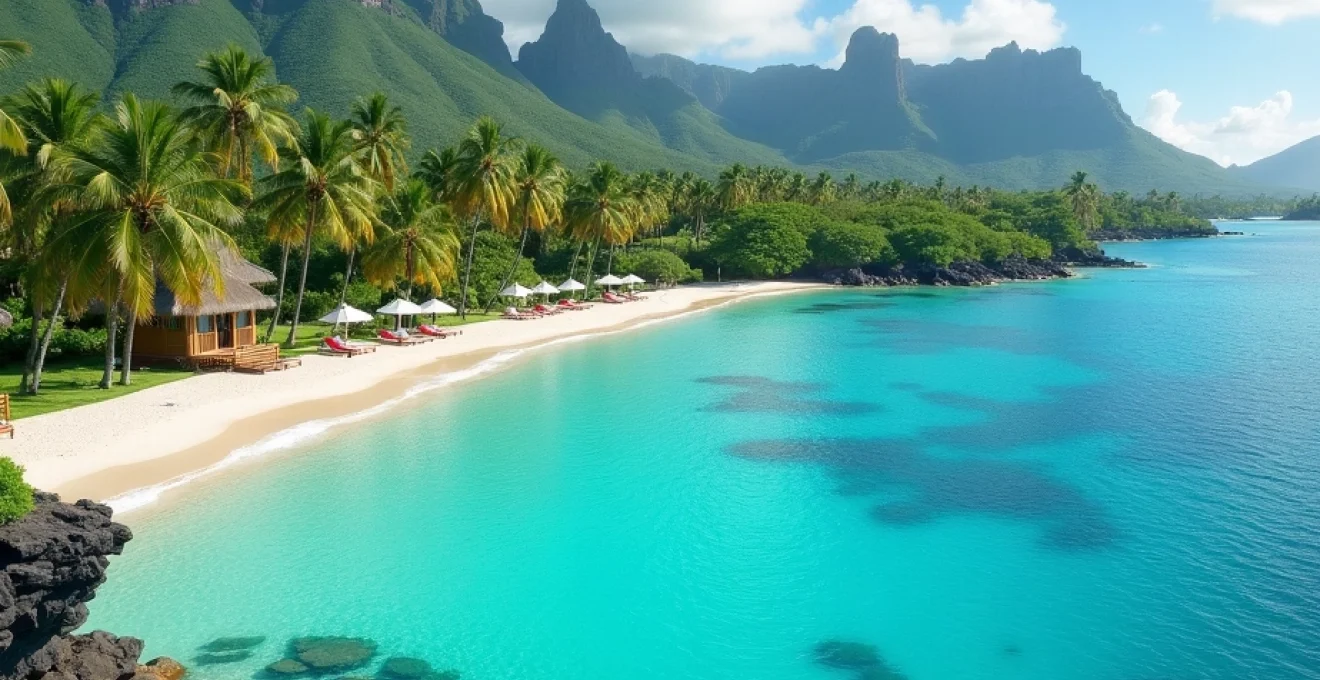
The Indian Ocean’s crown jewel, Mauritius, emerges as a destination where pristine natural beauty meets world-class hospitality standards. This volcanic island paradise, positioned strategically 1,200 miles east of Madagascar, offers discerning travelers an unparalleled blend of ecological diversity and luxury accommodations. Following its careful reopening after the pandemic, Mauritius has transformed its tourism landscape, introducing enhanced sustainability measures while maintaining its reputation for exceptional service and breathtaking landscapes.
The island’s unique positioning creates a microclimate that supports both endemic species and resort developments designed to complement rather than compete with nature. From the dramatic Le Morne Brabant UNESCO World Heritage site to the coral-fringed lagoons of the northeast coast, Mauritius presents a compelling case study in sustainable luxury tourism. The convergence of African, Asian, and European influences has created not only a rich cultural tapestry but also sophisticated resort experiences that cater to the most demanding international travelers.
Ultra-luxury resort portfolio: four seasons, One&Only, and Shangri-La properties
The luxury resort landscape in Mauritius represents a masterclass in hospitality excellence, with internationally acclaimed brands establishing flagship properties that showcase innovative design and environmental integration. These resorts have redefined tropical luxury by incorporating local materials, respecting natural topographies, and creating immersive experiences that celebrate Mauritian heritage while delivering world-class amenities.
Four seasons resort mauritius at anahita: championship golf integration
Four Seasons Resort Mauritius at Anahita exemplifies architectural harmony with landscape through its seamless integration of championship golf facilities designed by Ernie Els. The resort’s 136 villas and residence villas are strategically positioned to maximize ocean views while maintaining privacy and environmental sensitivity. The property’s design philosophy emphasizes indoor-outdoor living, with expansive terraces and private pools that blur the boundaries between accommodation spaces and natural surroundings.
The resort’s golf course represents a significant achievement in sustainable course design, utilizing native grasses and drought-resistant landscaping to minimize water consumption. The oceanfront finishing holes create dramatic playing experiences while incorporating coastal vegetation that serves as natural windbreaks and habitat corridors for native bird species. Advanced irrigation systems recycle greywater from resort operations, reducing freshwater consumption by approximately 30% compared to traditional golf course maintenance practices.
One&only le saint géran: overwater villa architecture
One&Only Le Saint Géran has pioneered overwater villa construction in the Indian Ocean through innovative engineering solutions that minimize environmental impact while maximizing guest experiences. The resort’s position on a private peninsula provides access to both the dynamic Indian Ocean coastline and the tranquil inner lagoon, creating diverse aquatic environments for different activities and preferences.
The overwater villas utilize locally sourced materials including volcanic stone foundations and sustainably harvested hardwoods for structural elements. Advanced water filtration systems ensure that villa operations do not compromise lagoon water quality, while solar panels integrated into villa roofing provide renewable energy for lighting and climate control systems. The resort’s recent renovation incorporated biophilic design principles, using natural textures and organic forms to create spaces that promote relaxation and connection with the marine environment.
The integration of luxury accommodation with marine conservation creates a symbiotic relationship where guest experiences are enhanced by environmental protection initiatives.
Shangri-la le touessrok: private island access methodology
Shangri-La Le Touessrok’s exclusive access to Ile aux Cerfs demonstrates sophisticated private island management that balances exclusivity with environmental stewardship. The resort operates a carefully managed transportation system using electric boats and hybrid vessels to minimize emissions and noise pollution affecting marine wildlife. Guest activities on the private island are structured to prevent overcrowding and habitat disruption.
The private island facilities include a championship golf course that showcases innovative course design adapted to island microclimates and soil conditions. Native vegetation restoration projects have reintroduced endemic plant species, creating natural corridors for bird migration and nesting. The island’s beaches are actively managed to protect sea turtle nesting sites, with guest activities scheduled around critical breeding periods to ensure minimal disturbance to wildlife populations.
Constance prince maurice: mangrove ecosystem integration design
Constance Prince Maurice represents a breakthrough in mangrove ecosystem integration , with resort facilities designed to work in harmony with existing wetland environments. The property’s natural fish reserve demonstrates how luxury hospitality can actively contribute to marine conservation while providing unique guest experiences. Overwater suites are positioned to minimize disruption to mangrove root systems while offering unparalleled views of this critical ecosystem.
The resort’s spa and dining facilities utilize elevated walkways that allow natural water flow beneath structures, maintaining ecosystem integrity while providing guest access to previously inaccessible natural areas. Advanced wastewater treatment systems ensure that resort operations contribute to rather than detract from mangrove health, with treated water enriching the nutrient base that supports diverse marine life populations.
The oberoi mauritius: zen garden therapeutic landscaping
The Oberoi Mauritius showcases therapeutic landscape design that incorporates principles of traditional Asian garden philosophy with indigenous Mauritian flora. The resort’s extensive gardens create multiple microenvironments that support biodiversity while providing guests with contemplative spaces for relaxation and wellness activities. Native species selection prioritizes plants with aromatic and medicinal properties traditionally used in Mauritian healing practices.
The spa facilities integrate seamlessly with garden environments, utilizing natural ventilation and lighting to create treatment spaces that feel connected to the surrounding landscape. Water features throughout the property employ recirculation systems that support aquatic plant communities while providing soothing soundscapes that mask resort operational noise. The garden design creates natural privacy screens between villa accommodations while maintaining visual connections to ocean vistas.
Endemic flora conservation within resort ecosystems
Mauritius faces critical conservation challenges with over 280 endemic plant species, many of which exist in extremely limited populations due to habitat loss and invasive species pressure. Luxury resorts have emerged as unexpected allies in conservation efforts, utilizing their extensive landscaped grounds to support breeding programs and habitat restoration initiatives that contribute to species recovery while enhancing guest experiences through unique natural encounters.
Trochetia boutoniana propagation programs
The national flower of Mauritius, Trochetia boutoniana , benefits from specialized propagation programs implemented at several luxury resorts across the island. These initiatives involve collaboration with the Mauritius National Parks and Conservation Service to establish satellite populations in resort environments that provide genetic diversity backup for wild populations. Resort horticulture teams receive specialized training in native plant cultivation techniques that ensure optimal growing conditions for these endemic species.
Propagation facilities at participating resorts utilize controlled environment techniques including specialized soil mixtures that replicate natural habitat conditions and irrigation systems that simulate natural rainfall patterns. Guest education programs allow visitors to participate in seedling planting activities, creating personal connections to conservation efforts while contributing to habitat restoration. Monitoring protocols track plant survival rates and reproductive success to optimize propagation techniques and identify successful cultivation methods for broader conservation application.
Pandanus utilis coastal protection systems
Pandanus utilis, commonly known as the screw pine, plays a crucial role in coastal erosion prevention and is increasingly incorporated into resort landscaping as both functional and aesthetic elements. These native plants provide natural windbreaks that protect resort facilities from tropical storms while creating habitat for native bird species and contributing to the authentic Mauritian landscape character that guests seek.
Resort implementation of Pandanus utilis involves strategic placement along beachfront areas where their extensive root systems stabilize sand dunes and prevent beach erosion during storm events. The plants’ distinctive architectural form provides natural privacy screens between guest accommodations while requiring minimal maintenance once established. Collaborative research with local universities documents the effectiveness of these natural coastal protection systems, providing data that supports broader conservation and coastal management initiatives.
Native orchid species preservation protocols
Mauritius hosts numerous endemic orchid species, many of which face extinction due to habitat destruction and illegal collection . Resort-based orchid conservation programs create controlled growing environments that allow for species propagation while providing guests with opportunities to observe these rare plants in naturalistic settings. Specialized orchid houses utilize climate control systems that replicate the specific temperature and humidity conditions required for successful cultivation.
Conservation partnerships with international botanical gardens facilitate genetic material exchange and research collaboration that enhances conservation outcomes for Mauritian orchid species. Resort orchid displays serve educational functions, teaching guests about the unique evolutionary adaptations that allow these plants to thrive in specific microenvironments. Propagation success enables the gradual reintroduction of cultivated specimens to wild habitats, supporting population recovery for critically endangered species.
Ebony forest restoration partnership initiatives
The endemic Mauritian ebony forests once covered significant portions of the island but now exist only in small, fragmented populations. Resort participation in ebony forest restoration involves dedicating portions of their grounds to native forest regeneration while creating unique guest experiences that showcase the island’s pre-colonial ecosystem. These restoration areas serve as living laboratories where guests can observe forest succession and learn about conservation challenges facing endemic species.
Restoration partnerships with conservation organizations provide technical expertise and genetic material from wild populations to ensure authentic forest reconstruction. Resort grounds designated for forest restoration are managed using techniques that accelerate natural succession while preventing invasive species establishment. Long-term monitoring protocols track forest development and wildlife colonization, creating valuable research data that informs broader conservation strategies across the island.
Marine biodiversity hotspots: coral reef systems and lagoon dynamics
The marine environment surrounding Mauritius supports exceptional biodiversity within coral reef systems that rank among the most productive in the Indian Ocean. These underwater ecosystems provide essential services including coastal protection, fisheries support, and tourism attractions while facing mounting pressure from climate change, coastal development, and increasing visitor numbers. Understanding lagoon dynamics and reef health becomes crucial for maintaining the natural assets that underpin the island’s luxury tourism industry.
Blue bay marine park: staghorn coral rehabilitation
Blue Bay Marine Park represents a flagship conservation area where staghorn coral rehabilitation programs demonstrate the potential for active restoration of degraded reef systems. This protected area showcases successful coral nursery techniques that have increased live coral coverage by over 40% in designated restoration zones. The shallow lagoon environment provides ideal conditions for snorkeling activities while supporting diverse fish populations that enhance visitor experiences.
Coral rehabilitation involves the cultivation of coral fragments in offshore nurseries where they develop resilience to temperature fluctuations and disease pressure before transplantation to degraded reef areas. Monitoring programs track coral survival rates and growth patterns to optimize restoration techniques and identify coral genotypes that demonstrate enhanced climate resilience. Visitor education programs at Blue Bay allow guests to observe restoration activities and understand the complex relationships between coral health and marine ecosystem function.
Black river gorges: freshwater ecosystem connectivity
The freshwater systems originating in Black River Gorges National Park provide essential nutrient inputs to coastal lagoons while supporting endemic freshwater species found nowhere else on Earth. These mountain streams create estuarine environments where freshwater meets seawater, generating highly productive zones that support both terrestrial and marine wildlife populations. Understanding these connectivity patterns becomes essential for managing coastal development impacts on both freshwater and marine ecosystems.
Stream restoration projects within the national park focus on removing invasive plant species that alter natural flow patterns and water quality characteristics. Collaborative monitoring between park authorities and resort environmental teams tracks water quality parameters including nutrient levels and sediment loads that affect downstream coral reef health. Guest activities including guided river walks and waterfall visits provide opportunities to observe freshwater ecosystem dynamics while generating revenue that supports conservation activities.
The interconnected nature of mountain watersheds and coastal reefs demonstrates that marine conservation requires comprehensive landscape-scale management approaches.
Rodrigues island: endemic fish species monitoring
Rodrigues Island, part of the Mauritius archipelago, supports several endemic fish species that serve as indicators of reef ecosystem health and provide unique diving and snorkeling opportunities for visitors. These species exist in limited populations vulnerable to environmental changes and fishing pressure, making their conservation essential for maintaining marine biodiversity. Monitoring programs track population trends and habitat requirements to inform protection strategies.
Endemic fish species monitoring involves underwater census techniques that document population sizes, reproductive behavior, and habitat preferences for species found only in Rodrigues waters. Collaborative research with international marine biology institutions enhances monitoring capabilities and provides comparative data from other Indian Ocean reef systems. Eco-tourism activities including guided snorkeling tours generate awareness and funding for conservation efforts while providing visitors with encounters with species they cannot observe elsewhere.
Morne seychellois: Deep-Water diving topography
The underwater topography surrounding Mauritius includes dramatic deep-water diving sites that showcase volcanic reef formations and support pelagic species populations. These sites provide advanced diving opportunities while serving as research locations for studying deep-reef ecosystems and their connections to shallow lagoon environments. The complex bathymetry creates upwelling conditions that enhance nutrient availability and support diverse marine communities.
Deep-water diving sites require specialized management to balance visitor access with conservation objectives, particularly for sensitive deep-coral communities that recover slowly from disturbance. Research partnerships with marine biology institutions utilize these sites for studying climate change impacts on deep-reef systems and documenting species distributions in poorly studied habitats. Advanced diving operations provide guests with access to pristine underwater environments while supporting research activities through citizen science programs.
UNESCO world heritage geological formations
Le Morne Brabant stands as Mauritius’s most significant UNESCO World Heritage site, representing both geological significance and profound cultural importance related to the island’s history of slavery and resistance. This basaltic monolith rises 556 meters above sea level, creating a dramatic landscape that has become synonymous with Mauritian identity while providing habitat for numerous endemic species. The mountain’s steep slopes and isolated summit support plant communities found nowhere else on the island, making geological conservation inseparable from biodiversity protection.
The formation’s volcanic origins date back approximately 7 million years, representing one of the oldest geological features on the island and providing insights into the volcanic processes that created the Mascarene archipelago. Geological surveys document unique rock formations and mineral compositions that contribute to scientific understanding of Indian Ocean volcanism while creating dramatic landscapes that attract international visitors. The mountain’s cultural significance as a refuge for escaped slaves adds layers of meaning that enhance its value as a heritage tourism destination.
Conservation challenges at Le Morne include invasive plant species management, erosion control on steep slopes, and balancing tourism access with habitat protection for endemic species. Hiking trail development requires careful engineering to prevent soil erosion while providing visitor access to spectacular viewpoints. Research collaborations with geological institutions document ongoing weathering processes and slope stability concerns that inform management strategies for this iconic landmark.
The broader landscape surrounding Le Morne includes coastal areas, wetlands, and coral reefs that contribute to the site’s overall ecological significance while supporting luxury resort development. Integrated management approaches coordinate conservation activities across different habitat types to maintain ecosystem connectivity and support species migrations between mountain and coastal environments. Heritage tourism initiatives provide economic incentives for conservation while educating visitors about both geological processes and cultural history associated with this remarkable landscape feature.
Sustainable tourism certification standards and environmental impact metrics
The luxury tourism sector in Mauritius increasingly embraces comprehensive sustainability certification programs that establish measurable standards for environmental performance, community engagement, and cultural preservation. These certification frameworks provide transparent metrics that allow travelers to make informed decisions while encouraging continuous improvement in resort operations. International certification bodies including the Global Sustainable Tourism Council and EarthCheck provide frameworks that address energy consumption, water use efficiency, waste management practices, and biodiversity conservation outcomes.
Environmental impact metrics utilized by certified resorts include carbon footprint measurements, water consumption per guest night, waste diversion rates, and local procurement percentages. Energy management systems track renewable energy generation from solar installations and monitor consumption patterns to optimize efficiency improvements. Water conservation measures including rainwater harvesting, greywater recycling, and drought-resistant landscaping significantly reduce freshwater consumption while maintaining luxury service standards that guests expect.
Community engagement metrics evaluate local employment levels, supplier relationships with Mauritian businesses, and contributions to education and healthcare initiatives in surrounding communities. Cultural preservation programs document efforts to showcase traditional Mauritian arts, cuisine, and customs while providing economic opportunities for local artisans and performers. Biodiversity monitoring protocols track native species populations on resort grounds and measure the effectiveness of habitat restoration projects in supporting endemic flora and fauna.
Third-party verification processes ensure that sustainability claims are substantiated by independent auditing and continuous monitoring systems. Guest satisfaction surveys increasingly include questions about environmental and social responsibility preferences, indicating growing demand for authentic sustainability initiatives rather than superficial “greenwashing” marketing approaches. The integration of sustainability metrics into resort marketing and guest experience planning demonstrates the evolution of luxury tourism toward more responsible and environmentally conscious operations.
Authentic sustainability certification requires measurable outcomes and transparent reporting that demonstrates genuine environmental and social
commitment that extends beyond marketing claims to deliver genuine environmental and community benefits.
Culinary heritage integration: creole gastronomy and michelin-standard dining
The culinary landscape of Mauritius represents a remarkable fusion where traditional Creole gastronomy meets international fine dining standards, creating unique epicurean experiences that celebrate the island’s multicultural heritage. Luxury resorts have become laboratories for culinary innovation, working with renowned chefs to develop menus that showcase local ingredients while meeting the sophisticated palates of international guests. This culinary evolution supports local agriculture and fishing industries while preserving traditional cooking techniques that might otherwise disappear.
Michelin-starred chefs increasingly collaborate with local cooks and farmers to understand traditional flavor profiles and ingredient preparation methods that define authentic Mauritian cuisine. These partnerships result in elevated presentations of classic dishes such as rougaille, vindaye, and dholl puri that maintain their cultural authenticity while achieving international fine dining standards. Resort kitchens source ingredients from local organic farms and artisanal producers, creating economic opportunities for small-scale agriculture while ensuring the freshest possible ingredients for guest dining experiences.
The integration of traditional spice blends and cooking techniques with modern culinary technology creates innovative dishes that surprise and delight guests while educating them about Mauritian food culture. Molecular gastronomy applications transform familiar local ingredients into unexpected presentations that maintain essential flavors while creating memorable visual experiences. These culinary innovations often become signature dishes that distinguish individual resorts and contribute to their international reputation for exceptional dining.
The marriage of traditional Creole flavors with contemporary culinary techniques creates a distinctive dining identity that cannot be replicated elsewhere, making Mauritius a unique gastronomic destination in the Indian Ocean.
Farm-to-table initiatives at luxury resorts support sustainable agriculture while providing guests with insights into local food production systems and seasonal ingredient availability. Resort gardens and partnerships with local farms ensure consistent supply of herbs, vegetables, and fruits that form the foundation of both traditional and contemporary Mauritian cuisine. Guest participation in cooking classes and market visits creates cultural exchange opportunities while supporting local food traditions and small-scale producers.
The rum industry’s renaissance has created sophisticated spirit pairing programs that complement fine dining experiences while showcasing the complexity and quality of contemporary Mauritian rum production. Premium aged rums produced by boutique distilleries provide unique tasting experiences that rival internationally recognized spirits while supporting local sugarcane agriculture and traditional distillation crafts. These spirits increasingly feature in creative cocktail programs that incorporate local fruits and spices to create distinctly Mauritian drinking experiences that cannot be replicated elsewhere in the world.