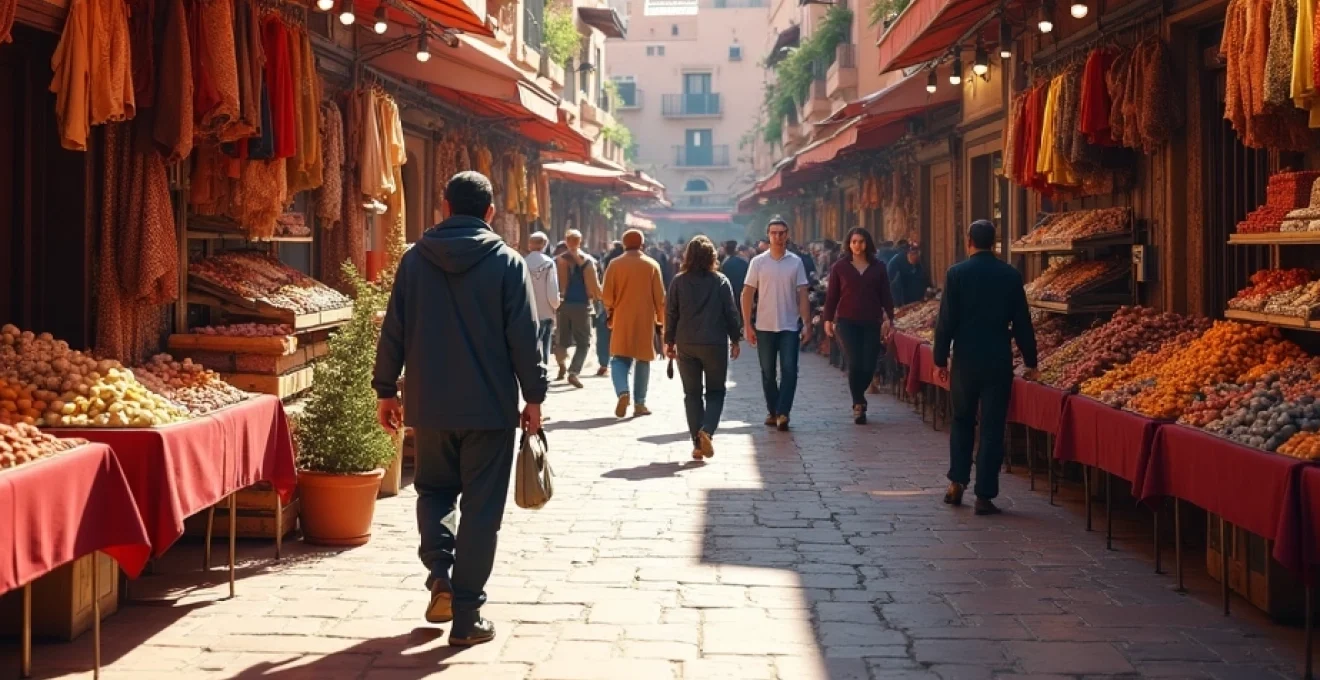
Marrakesh’s bustling markets represent one of Morocco’s most captivating cultural experiences, where centuries-old trading traditions blend seamlessly with modern tourism. The city’s medina houses an intricate network of souks that have served as commercial arteries since the 11th century, creating a sensory maze where authentic craftsmanship meets vibrant street life. From the iconic Jemaa el-Fnaa square to the specialized artisan quarters, these markets offer travelers an immersive journey through Moroccan culture, cuisine, and commerce. Understanding how to navigate these complex marketplaces enhances both safety and enjoyment while providing access to genuine cultural interactions that extend far beyond simple transactions.
Navigating jemaa el-fnaa square: central hub for marrakesh market exploration
Jemaa el-Fnaa serves as the beating heart of Marrakesh’s market system, functioning as both a UNESCO World Heritage site and the primary orientation point for souk exploration. This expansive square transforms throughout the day, beginning as a relatively quiet space where vendors set up their stalls and evolving into a theatrical spectacle of performers, food vendors, and traditional entertainers. The square’s strategic location at the entrance to the main souks makes it an essential starting point for any market adventure, providing easy access to over eighteen different specialized market areas.
The architectural layout of Jemaa el-Fnaa reflects centuries of organic development, with seven main pathways radiating from the square into different souk districts. Travelers can use the distinctive red-stone buildings surrounding the square as landmark references, particularly the Koutoubia Mosque minaret which remains visible from most market locations. During peak hours, the square accommodates approximately 10,000 visitors daily, creating a dynamic environment where careful navigation becomes essential for optimal exploration.
Evening food stall circuit: authentic moroccan street cuisine experience
As evening approaches, Jemaa el-Fnaa undergoes a remarkable transformation when over 100 food stalls emerge, creating Morocco’s largest open-air restaurant. These temporary establishments offer authentic street cuisine at prices significantly lower than tourist restaurants, with most meals costing between 30-50 dirhams. The stalls specialize in different culinary categories, from grilled meats and seafood to traditional tagines and fresh juices, providing comprehensive exposure to Moroccan gastronomy.
Food stall navigation requires understanding the unwritten rules of engagement that govern these spaces. Vendors typically invite browsers to sample their offerings, and accepting these samples creates a social obligation to purchase. Successful food stall exploration involves observing local dining patterns, choosing stalls with high turnover rates, and understanding basic Arabic food terminology. The most popular stalls often display handwritten menus in multiple languages, indicating their experience with international visitors.
Traditional henna artists and fortune tellers: cultural immersion opportunities
The square’s traditional service providers offer unique cultural interactions that extend beyond commercial transactions. Henna artists create intricate temporary tattoos using natural dyes, with designs ranging from simple geometric patterns to elaborate floral motifs. These artists typically charge 50-100 dirhams for basic designs, though prices increase significantly for complex patterns or tourist-oriented locations. Understanding henna application as a cultural practice rather than mere decoration enhances appreciation for this ancient art form.
Fortune tellers and traditional healers occupy designated areas within the square, offering services that reflect Morocco’s blend of Islamic, Berber, and African spiritual traditions. These practitioners use various divination methods, including palm reading, card interpretation, and herbal consultations. While primarily entertainment-focused for tourists, these interactions provide insight into traditional Moroccan beliefs and practices that continue to influence contemporary culture.
Snake charmers and gnawa musicians: entertainment districts within the square
Traditional entertainers cluster in specific zones within Jemaa el-Fnaa, creating impromptu performance spaces that operate throughout the day. Snake charmers represent one of Marrakesh’s most iconic tourist attractions, though their practices have evolved significantly to accommodate animal welfare concerns and tourist safety requirements. Modern snake charming often emphasizes storytelling and musical performance rather than actual snake handling, reflecting changing cultural attitudes while maintaining traditional aesthetics.
Gnawa musicians provide authentic musical experiences rooted in centuries-old Sufi traditions, using traditional instruments like the sintir (bass lute) and metal castanets. These performances often involve audience participation through call-and-response singing and rhythmic clapping, creating communal experiences that transcend language barriers. Musicians typically perform for voluntary donations, with suggested amounts ranging from 20-50 dirhams depending on performance duration and audience size.
Optimal photography hours: golden light conditions for market documentation
Marrakesh’s intense sunlight creates dramatic lighting conditions that vary significantly throughout the day, affecting both photography quality and market atmosphere. The golden hour periods—approximately one hour after sunrise and one hour before sunset—provide optimal lighting for capturing the warm, amber tones that characterize the city’s architecture. During these periods, the interplay between natural light and market shadows creates compelling visual compositions that highlight architectural details and human activities.
Midday photography presents unique challenges due to harsh overhead lighting and intense heat, but also offers opportunities to capture the raw energy of peak market activity. Professional photographers recommend using diffused lighting techniques during these hours, such as positioning subjects in shaded areas or using natural architectural elements to create interesting shadow patterns. Evening photography requires understanding artificial lighting patterns, as market stalls use various lighting sources that create colorful, atmospheric scenes ideal for night photography.
Souk semmarine and souk el-kebir: textile and handicraft market navigation
Souk Semmarine represents the main commercial artery connecting Jemaa el-Fnaa to the deeper market districts, functioning as both a shopping destination and a transportation corridor. This covered market stretches approximately 600 meters through the medina, featuring over 200 individual stalls specializing in textiles, leather goods, and tourist souvenirs. The souk’s distinctive reed-and-wood canopy creates a tunnel-like atmosphere that provides relief from intense sunlight while maintaining the authentic architectural character that defines Marrakesh’s traditional markets.
Berber carpet authentication techniques: quality assessment methods
Authentic Berber carpets represent one of Morocco’s most significant cultural exports, with genuine pieces often serving as family heirlooms passed through generations. Authentication requires understanding specific weaving techniques, fiber composition, and design symbolism that distinguish handmade carpets from machine-produced imitations. Traditional Berber carpets utilize natural wool fibers dyed with plant-based pigments, creating subtle color variations that indicate hand-processing methods. Authentic pieces typically feature slight irregularities in pattern execution, reflecting individual weaver techniques rather than mechanical precision.
Quality assessment involves examining knot density, fiber texture, and design authenticity through systematic evaluation methods. High-quality Berber carpets contain 80-120 knots per square inch, though exceptional pieces may exceed 200 knots per square inch. Fiber testing involves gently pulling individual threads to assess wool quality, with genuine pieces demonstrating elasticity and natural crimp characteristics. Design authentication requires knowledge of traditional Berber symbols, which carry specific cultural meanings related to fertility, protection, and spiritual beliefs.
Traditional leather goods at souk cherratine: babouche and bag selection
Souk Cherratine specializes in traditional leather goods produced using centuries-old tanning and crafting techniques that distinguish Moroccan leather products from industrial alternatives. The market’s proximity to Marrakesh’s historic tanneries ensures direct access to freshly processed leather, creating quality advantages that benefit both artisans and consumers. Traditional Moroccan leather processing utilizes natural tanning agents including pomegranate bark, mimosa, and other plant-based compounds that produce distinctive textures and colors while maintaining environmental sustainability.
Babouche selection requires understanding construction techniques, leather quality, and sizing considerations specific to traditional Moroccan footwear. Authentic babouches feature hand-stitched seams, natural leather soles, and traditional pointed-toe designs that reflect centuries of refinement for comfort and durability. Quality indicators include leather flexibility , stitch uniformity, and sole thickness, with premium examples demonstrating sophisticated craftsmanship in decorative elements like embroidery or metal studs. Proper sizing involves understanding that babouches typically stretch with wear, requiring initial fitting that feels slightly snug compared to conventional footwear.
Argan oil product verification: cooperative sources and purity testing
Authentic argan oil production occurs exclusively in southwestern Morocco, where women’s cooperatives maintain traditional extraction methods that preserve oil quality while supporting rural communities. Genuine argan oil demonstrates specific physical characteristics including golden amber coloration, light nutty aroma, and smooth texture without grittiness or sediment. Pure argan oil typically costs 150-250 dirhams per 100ml bottle when purchased directly from cooperative sources, with prices varying based on processing methods and quality grades.
Product verification involves understanding cooperative certification systems, testing methods, and packaging indicators that distinguish authentic products from diluted or synthetic alternatives. Legitimate cooperatives provide documentation including cooperative membership certificates and product origin statements that verify authenticity. Simple purity tests include observing oil behavior when dropped on skin—pure argan oil absorbs quickly without leaving greasy residue, while adulterated products remain on the surface or create sticky textures.
Metalwork and brass lantern districts: artisan workshop locations
Traditional metalworking districts within the souk system concentrate skilled artisans who specialize in brass, copper, and silver products using techniques passed through family generations. These workshops operate as both production facilities and retail spaces, allowing visitors to observe the complete manufacturing process from raw material to finished product. Artisan workshops typically employ 3-8 craftsmen working collaboratively on different aspects of production, creating efficiency while maintaining quality control standards.
Brass lantern production involves complex metalworking techniques including hammering, piercing, and soldering that require years of training to master. Quality assessment focuses on metal thickness , joint construction, and decorative pattern execution, with superior pieces demonstrating consistent wall thickness and precise geometric designs. Traditional lanterns utilize brass alloys containing 60-70% copper content, which provides optimal durability while maintaining workability for intricate decorative elements. Price ranges vary significantly based on size, complexity, and craftsmanship quality, with authentic handmade pieces typically costing 200-800 dirhams depending on specifications.
Advanced haggling strategies for marrakesh market transactions
Successful haggling in Marrakesh markets requires understanding cultural context, pricing structures, and negotiation psychology that governs traditional Moroccan commerce. The haggling process serves multiple functions beyond price determination, including social interaction, cultural exchange, and relationship building between merchants and customers. Effective negotiation typically reduces initial prices by 40-60%, though specific reductions depend on product categories, merchant relationships, and seasonal demand factors.
Professional haggling strategies involve systematic approaches that respect cultural norms while achieving favorable pricing outcomes. The process typically begins with expressing interest without enthusiasm, examining products carefully to demonstrate knowledge, and initiating price discussions only after establishing rapport with merchants. Strategic patience represents a crucial element, as rushed negotiations often result in unfavorable terms for buyers. Experienced hagglers recommend visiting multiple vendors before committing to purchases, allowing price comparison while demonstrating market knowledge to merchants.
Understanding that haggling represents a cultural tradition rather than aggressive bargaining helps create positive interactions that benefit both merchants and customers while preserving the authentic marketplace atmosphere that defines Marrakesh’s commercial identity.
Advanced techniques include understanding seasonal pricing patterns, recognizing quality indicators that justify price premiums, and utilizing group purchasing power when traveling with companions. Merchants often provide better pricing for multiple item purchases or when customers demonstrate genuine appreciation for craftsmanship quality. Language considerations play important roles, with basic Arabic or French phrases enhancing negotiation outcomes while showing respect for local culture.
Timing strategies significantly impact haggling success, with early morning and late evening periods often yielding better prices due to reduced tourist traffic and merchant eagerness to complete daily sales goals. End-of-week negotiations may prove particularly favorable as merchants seek to clear inventory before traditional Friday rest periods. Payment method preferences also influence pricing, with cash transactions typically receiving better rates than credit card payments due to processing fee considerations.
Spice market exploration: rahba kedima square botanical discoveries
Rahba Kedima, literally meaning “old square,” functions as Marrakesh’s primary spice trading center where traditional herbalists and spice merchants maintain centuries-old commercial practices. This compact square houses approximately 30 specialized vendors who collectively offer over 200 different spices, herbs, and traditional remedies sourced from across Morocco and sub-Saharan Africa. The market’s organization follows traditional pharmacy principles, with vendors specializing in specific botanical categories including culinary spices, medicinal herbs, and cosmetic preparations.
Ras el hanout blend composition: traditional spice mix authentication
Ras el hanout, meaning “top of the shop,” represents Morocco’s most complex spice blend, typically containing 12-30 different ingredients depending on regional variations and family recipes. Authentic blends include expensive spices such as saffron, cardamom, and cinnamon bark, balanced with more common ingredients like cumin, coriander, and paprika. Traditional compositions vary by region, with Marrakesh versions often emphasizing sweet spices like cinnamon and nutmeg, while northern blends incorporate more herbs and dried flowers.
Authentication requires understanding ingredient proportions, color characteristics, and aromatic profiles that distinguish handcrafted blends from commercial alternatives. Quality ras el hanout demonstrates complex layered aromas that reveal different scent notes as the blend is examined, indicating proper ingredient balance and fresh components. Visual inspection should reveal identifiable whole spices rather than uniform powder consistency, suggesting traditional grinding methods rather than industrial processing. Pricing typically ranges from 80-200 dirhams per kilogram, with premium blends commanding higher prices due to expensive ingredients like genuine saffron or rare rose petals.
Saffron quality grading: visual and aromatic assessment techniques
Saffron represents one of the world’s most expensive spices, with authentic Moroccan saffron commanding premium prices due to labor-intensive harvesting methods and superior quality characteristics. Genuine saffron threads demonstrate deep red coloration with minimal yellow or white portions, indicating proper harvesting techniques that select only the highest-quality stigmas. Quality grades follow international standards, with Coupe grade representing the highest quality containing pure red stigmas without style remnants.
Assessment techniques involve visual examination, aromatic evaluation, and water dissolution tests that reveal purity and potency levels. High-quality saffron releases distinctive honey-like aromas with metallic undertones when gently rubbed between fingers. Water dissolution testing involves placing threads in warm water, where authentic saffron gradually releases golden color while maintaining thread structure, unlike artificial alternatives that dissolve completely or fail to color water appropriately. Pricing reflects quality grades, with premium Moroc
can saffron typically costs 300-500 dirhams per gram when purchased from reputable vendors, with prices varying based on harvest timing and processing quality. Counterfeit saffron often uses safflower or turmeric threads dyed to mimic authentic appearance, making visual and aromatic assessment crucial for avoiding fraudulent purchases.
Medicinal herb identification: traditional moroccan pharmacopoeia
Traditional Moroccan herbalism encompasses over 600 plant species used for therapeutic purposes, with spice market vendors maintaining extensive knowledge about preparation methods, dosages, and contraindications. Common medicinal herbs include zaatar for digestive issues, rosemary for circulation improvement, and various mint species for respiratory conditions. These herbs often serve dual purposes as both culinary ingredients and therapeutic agents, reflecting the Moroccan philosophy that food functions as medicine when properly utilized.
Herb identification requires understanding botanical characteristics, harvesting indicators, and storage requirements that maintain therapeutic potency. Fresh herbs demonstrate vibrant coloration, strong aromatic profiles, and absence of mold or insect damage that could compromise medicinal properties. Vendors typically provide detailed preparation instructions including steeping times, combination recommendations, and dosage guidelines based on traditional knowledge systems. Price ranges vary significantly based on rarity and therapeutic reputation, with common herbs costing 20-50 dirhams per 100 grams while rare medicinal plants may cost 200-400 dirhams for similar quantities.
Cultural etiquette and safety protocols for market navigation
Successful market exploration in Marrakesh requires understanding cultural sensitivities, religious customs, and social protocols that govern interactions within traditional Moroccan commercial spaces. Dress codes emphasize modesty, with both men and women expected to cover shoulders and knees while avoiding revealing clothing that might offend local sensibilities. Women travelers should consider bringing lightweight scarves for additional coverage when entering religious areas adjacent to markets, demonstrating respect for Islamic customs while maintaining personal comfort in warm weather conditions.
Photography etiquette involves obtaining permission before photographing individuals, particularly vendors, artisans, or other market participants who may have privacy concerns or religious objections. Many merchants welcome photography of their products but prefer advance notice for personal images, often posing proudly with their crafts when approached respectfully. Commercial photography for professional or social media purposes may require small compensation, typically 20-50 dirhams, as acknowledgment of subjects’ contribution to marketing efforts.
Religious observance affects market operations during prayer times, when many vendors temporarily close stalls to participate in daily prayers. These interruptions typically last 15-20 minutes and occur five times daily at predictable intervals, creating natural breaks in commercial activity. Visitors should respect these periods by avoiding aggressive shopping behavior or demanding immediate attention from vendors engaged in religious obligations. Friday afternoon prayers often extend market closures, particularly affecting smaller vendors who prioritize religious participation over commercial activity.
Safety protocols involve practical precautions including secure storage of valuables, awareness of pickpocketing techniques, and understanding emergency procedures for medical or security incidents. Crowded market areas create opportunities for petty theft, making cross-body bags, hidden money belts, and distributed cash storage effective prevention strategies. Travelers should carry copies of important documents while storing originals in hotel safes, reducing risks associated with document loss or theft. Emergency contact information should include local police numbers, tourist assistance hotlines, and embassy contact details readily accessible on mobile devices or written cards.
Alternative market districts: gueliz modern souks and mellah quarter exploration
Beyond the traditional medina markets, Marrakesh offers alternative shopping districts that provide different cultural perspectives and commercial experiences suited to diverse traveler preferences. The Gueliz district represents Marrakesh’s modern commercial center, featuring contemporary shopping centers, international brands, and upscale boutiques that blend Moroccan design elements with global fashion trends. This area appeals to travelers seeking air-conditioned shopping environments, fixed pricing systems, and familiar retail formats while maintaining connections to local culture through architectural details and product selections.
Modern souks within Gueliz operate with transparent pricing structures, credit card acceptance, and multilingual customer service that reduces negotiation stress while maintaining authentic product offerings. These establishments often source merchandise directly from traditional artisan workshops, providing quality assurance and fair trade practices that benefit both consumers and craftsmen. Prices typically exceed traditional souk levels by 20-40%, reflecting operational costs and convenience factors that many international travelers consider worthwhile investments for simplified shopping experiences.
The Mellah quarter represents Marrakesh’s historic Jewish district, where centuries of cross-cultural exchange created unique commercial traditions that blend Moroccan, Jewish, and Mediterranean influences. This area features specialized markets focusing on antiques, rare books, and traditional Judaica alongside conventional Moroccan crafts, creating distinctive shopping opportunities unavailable in other market districts. Architecture within the Mellah demonstrates different design principles compared to Islamic medina areas, with taller buildings, larger windows, and courtyard layouts that reflect different cultural preferences and religious requirements.
Mellah market exploration requires understanding historical context, religious sensitivities, and architectural significance that distinguish this district from traditional Islamic commercial areas. Vendors often maintain extensive knowledge about Jewish-Moroccan cultural traditions, offering insights into historical coexistence periods and contemporary community dynamics. Product selections include unique items such as traditional Jewish ceremonial objects, historical documents, and architectural elements salvaged from renovated buildings, providing collectors with rare acquisition opportunities unavailable in conventional tourist markets.
Access to alternative market districts involves different transportation methods, timing considerations, and preparation strategies compared to medina exploration. Gueliz shopping areas operate on European schedules with consistent opening hours and weekend availability, contrasting with traditional souk patterns that follow Islamic calendar rhythms. Public transportation options including buses and taxis provide convenient connections between districts, allowing comprehensive market exploration across different cultural and commercial environments. District comparison shopping enables price benchmarking, quality assessment, and cultural appreciation that enriches overall Marrakesh market experiences while supporting diverse commercial communities that contribute to the city’s economic vitality.