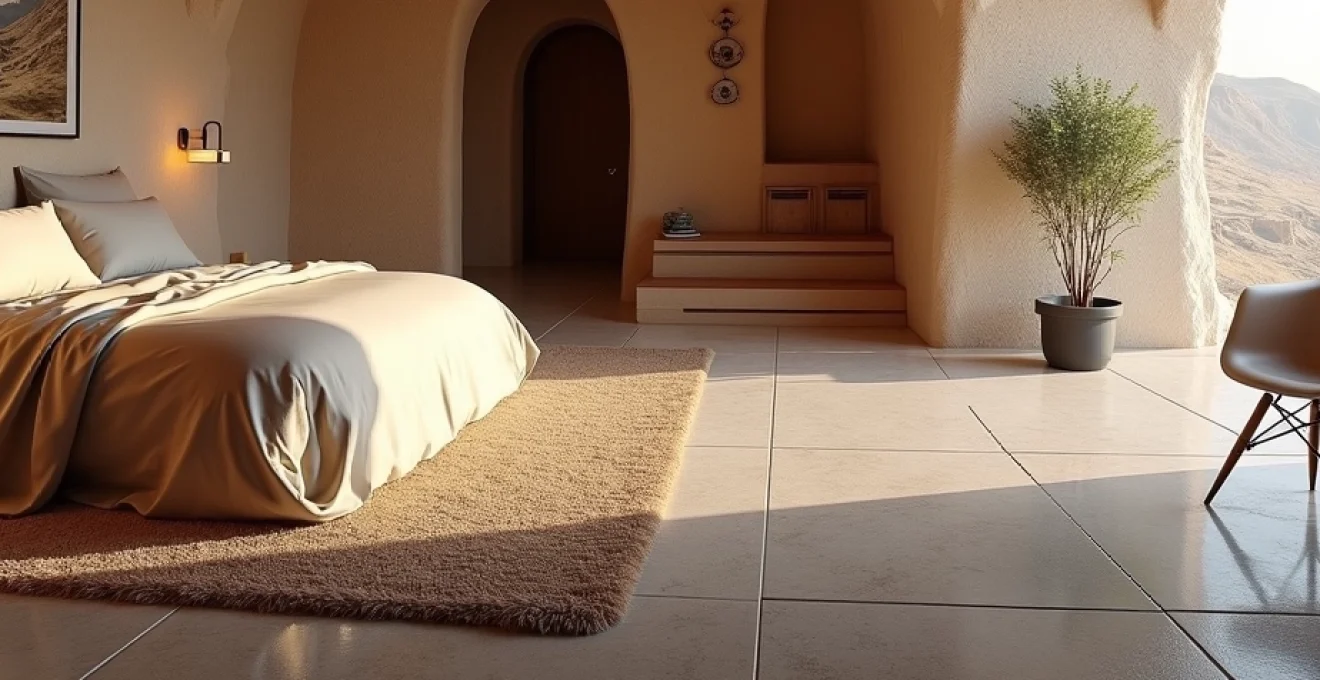
The ancient landscape of Cappadocia presents one of the world’s most extraordinary accommodation experiences, where fairy chimneys and volcanic formations house luxury hotels carved directly into million-year-old rock. This UNESCO World Heritage region in Central Turkey transforms geological wonders into sophisticated hospitality spaces, offering guests the opportunity to sleep within structures that have sheltered civilizations for millennia. The integration of modern amenities within these historical cave systems creates a unique hospitality model that preserves cultural heritage while delivering contemporary comfort standards.
From Byzantine monasteries converted into boutique properties to newly excavated suites featuring infinity pools and spa facilities, Cappadocia’s cave hotel industry demonstrates remarkable innovation in heritage tourism. The region’s volcanic tuff rock provides natural insulation properties that maintain comfortable temperatures year-round, while sophisticated engineering solutions enable the installation of modern infrastructure without compromising structural integrity. These accommodations represent more than mere lodging; they offer immersive experiences that connect travelers with the profound history embedded within Cappadocia’s distinctive geological formations.
Byzantine cave architecture and geological foundation systems in cappadocia
The foundation of Cappadocia’s cave hotel industry rests upon geological formations created through volcanic activity spanning 60 million years. The region’s distinctive landscape emerged from successive eruptions of Mount Erciyes and Mount Hasan, depositing layers of volcanic ash that hardened into tuff rock formations. This porous yet stable material proved ideal for excavation, enabling ancient civilizations to create extensive underground networks that modern hoteliers now adapt for luxury accommodations. The natural properties of volcanic tuff provide exceptional thermal regulation, maintaining interior temperatures between 13-15°C regardless of external weather conditions.
Archaeological evidence indicates that systematic cave excavation in Cappadocia began during the Hittite period around 1800 BCE, with significant expansion occurring during Byzantine rule from the 4th to 11th centuries CE. Early Christian communities fleeing Roman persecution established monastery complexes within these formations, developing sophisticated architectural techniques that contemporary cave hotel designers continue to employ. The structural engineering principles developed by Byzantine craftsmen, including arch-supported ceilings and strategic ventilation systems, form the foundation for modern cave hospitality infrastructure.
Volcanic tuff excavation techniques in göreme valley formation
Modern cave hotel development utilizes traditional excavation methods refined over centuries of practice in the Göreme Valley region. The process begins with geological assessment to identify stable tuff formations suitable for expansion, followed by careful manual excavation using specialized tools designed to preserve the rock’s natural integrity. Expert craftsmen employ techniques passed down through generations, creating rooms with precise dimensions while maintaining the organic flow of natural cave structures. The excavation process typically progresses at a rate of 2-3 cubic meters per day to ensure structural stability and prevent damage to surrounding formations.
Contemporary excavation projects incorporate advanced geological surveys using ground-penetrating radar to map subsurface conditions and identify potential structural challenges. This technology enables developers to optimize room layouts while avoiding areas of geological instability or existing underground networks. The integration of traditional craftsmanship with modern surveying techniques ensures that new cave accommodations meet both structural safety standards and aesthetic authenticity requirements essential for premium hospitality experiences.
Rock-cut church integration with hospitality infrastructure
The transformation of Byzantine rock-cut churches into luxury accommodation spaces requires meticulous planning to preserve historical elements while incorporating modern amenities. Many cave hotels feature former chapel areas repurposed as common spaces, with original frescoes and architectural details carefully restored and integrated into contemporary design schemes. The challenge lies in installing necessary infrastructure such as plumbing and electrical systems without compromising the integrity of centuries-old religious artwork and structural elements.
Successful church-to-hotel conversions employ specialized conservation techniques that protect original Byzantine features while enabling modern functionality. Climate control systems are designed to maintain optimal conditions for fresco preservation, while discrete lighting installations highlight architectural details without causing UV damage. These projects often collaborate with archaeological institutions to ensure compliance with cultural heritage preservation standards and maintain the spiritual atmosphere that makes these spaces uniquely compelling for discerning travelers.
Fairy chimney structural engineering and Load-Bearing capacity
The iconic fairy chimneys of Cappadocia present unique engineering challenges for hotel development, requiring careful analysis of load-bearing capacity and structural modification techniques. These cone-shaped formations typically consist of a harder basalt cap protecting softer tuff beneath, creating natural limitations for excavation and modification. Engineers must assess each formation individually, determining safe excavation limits while preserving the structural integrity that has enabled these formations to withstand millennia of erosion.
Modern structural engineering techniques enable the creation of multi-level accommodations within fairy chimney formations through strategic placement of support systems and careful load distribution. Steel reinforcement frameworks installed discretely within tuff walls provide additional structural support for upper floors and terraces, while specialized anchoring systems secure modern amenities without compromising the formation’s natural stability. These engineering solutions enable the development of spectacular suites with panoramic views while maintaining the authentic appearance of unmodified fairy chimneys.
Underground ventilation systems in Derinkuyu-Style cave networks
The sophisticated ventilation systems developed for Cappadocia’s ancient underground cities serve as models for contemporary cave hotel air circulation design. The Derinkuyu underground city’s ventilation network, featuring vertical shafts extending 85 meters below surface level, demonstrates principles of natural air movement that modern cave accommodations adapt for climate control. These systems utilize temperature differentials and strategic opening placement to create consistent air circulation throughout multilevel cave networks without mechanical assistance.
Contemporary cave hotels incorporate enhanced ventilation designs based on these ancient principles, adding mechanical systems for optimal guest comfort while maintaining energy efficiency. Modern installations feature discrete air handling units integrated into rock formations, providing filtered air circulation and humidity control essential for luxury accommodations. The combination of natural ventilation principles with contemporary HVAC technology creates comfortable interior environments while preserving the authentic cave atmosphere that defines the Cappadocia hospitality experience.
Premium cave hotel properties and boutique accommodation analysis
The luxury segment of Cappadocia’s cave hotel market represents the pinnacle of heritage hospitality, where premium properties invest significant resources in creating exceptional guest experiences within historical settings. These establishments typically feature fewer than 50 rooms, enabling personalized service while maintaining exclusive access to the region’s most spectacular geological formations. The average room rate for luxury cave accommodations ranges from €300-800 per night during peak season, reflecting the substantial investment required for heritage restoration and modern amenity integration.
Premium cave hotels distinguish themselves through unique architectural elements, exceptional dining programs, and exclusive access to activities such as private hot air balloon launches and guided archaeological tours. The most successful properties balance historical authenticity with contemporary luxury, offering amenities such as in-room fireplaces, private terraces with valley views, and spa services delivered within natural cave chambers. Guest satisfaction ratings consistently exceed 9.0 out of 10 for properties that successfully integrate these elements while maintaining authentic Cappadocian hospitality traditions.
Argos in cappadocia monastery restoration and luxury integration
The Argos in Cappadocia represents a masterpiece of monastery restoration, transforming a 13th-century Byzantine complex into a luxury resort while preserving essential historical elements. The property’s restoration process required seven years of careful archaeological work, during which craftsmen uncovered and restored original frescoes, stone carvings, and architectural features dating to the medieval period. The integration of luxury amenities including a world-class spa, infinity pool, and fine dining restaurant demonstrates how thoughtful design can enhance rather than compromise historical integrity.
The restoration methodology employed at Argos serves as a model for similar projects throughout Cappadocia, emphasizing the importance of archaeological documentation and traditional craftsmanship in heritage hotel development. Each guest room features unique architectural elements uncovered during restoration, including original stone arches, carved niches, and painted decorations that create distinct accommodation experiences. The property’s success has influenced industry standards for monastery conversions, establishing protocols for balancing commercial viability with cultural preservation requirements.
Museum hotel uchisar castle rock carved suites
Situated within the dramatic Uchisar Castle formation, Museum Hotel exemplifies the potential for creating luxury accommodations within Cappadocia’s most iconic geological features. The property’s suites are carved directly into the castle rock, offering guests panoramic views across the entire Cappadocia region while maintaining intimate connection with the area’s geological heritage. Each suite features artifacts and decorative elements sourced from the region’s rich cultural history, creating living museums that educate guests about local traditions and craftsmanship.
The engineering challenges overcome in Museum Hotel’s development include installing modern infrastructure within the confined spaces of ancient rock chambers while preserving structural integrity. Innovative solutions include custom-designed fixtures that conform to irregular cave dimensions and specialized waterproofing systems that protect both modern amenities and historical elements. The property’s design philosophy demonstrates how luxury hospitality can serve as a vehicle for cultural preservation and education rather than merely commercial entertainment.
Kelebek special cave hotel göreme stone room architecture
The Kelebek Special Cave Hotel showcases the integration of traditional stone room architecture with contemporary hospitality design, creating accommodations that celebrate Cappadocia’s building heritage while providing modern comfort. The property’s rooms feature traditional barrel-vaulted ceilings and stone masonry techniques that have remained unchanged for centuries, combined with carefully selected furnishings and amenities that complement rather than compete with architectural elements. This approach creates authentic experiences that connect guests with local building traditions and craftsmanship.
The hotel’s design philosophy emphasizes the use of local materials and traditional construction techniques, supporting regional craftsmen while maintaining architectural authenticity. Stone masons employ traditional tools and methods to create custom features such as built-in seating areas, decorative niches, and bathroom facilities that seamlessly integrate with existing structures. This commitment to traditional craftsmanship results in accommodations where every element reflects the cultural heritage of the Cappadocia region while providing luxury hospitality experiences.
Gamirasu cave hotel byzantine monastery conversion techniques
The Gamirasu Cave Hotel demonstrates sophisticated techniques for converting Byzantine monastery complexes into luxury accommodations while preserving religious and cultural significance. The conversion process required extensive collaboration with archaeological authorities to ensure that modifications respected the original spiritual purpose of the space while enabling commercial hospitality operations. Original monastery features including chapel areas, refectories, and individual monk cells have been adapted to serve as common areas, dining spaces, and guest suites respectively.
The technical challenges of monastery conversion include installing modern plumbing and electrical systems within structures designed for ascetic religious life rather than contemporary comfort expectations. Solutions include discrete infrastructure installation that maintains the visual integrity of original spaces while providing necessary modern amenities. The property’s success demonstrates that thoughtful conversion techniques can create commercial viability while preserving the spiritual atmosphere that makes these spaces uniquely meaningful for contemporary travelers.
Kayakapi premium caves UNESCO world heritage compliance
Operating within the Göreme National Park UNESCO World Heritage site, Kayakapi Premium Caves exemplifies the stringent standards required for commercial development within protected cultural landscapes. The property’s development process involved extensive consultation with UNESCO representatives and Turkish heritage authorities to ensure compliance with international preservation standards while creating viable luxury accommodations. All modifications and amenities installations were reviewed and approved by heritage preservation committees before implementation.
The UNESCO compliance process requires detailed documentation of all development activities, including archaeological surveys, structural assessments, and environmental impact evaluations. Properties operating within World Heritage sites must demonstrate that commercial activities enhance rather than compromise the cultural value of protected areas. Kayakapi’s success in achieving this balance provides a framework for future heritage tourism developments within sensitive cultural landscapes throughout the region.
Modern amenities integration within historical cave structures
The successful integration of contemporary amenities within historical cave structures represents one of the most significant technical challenges facing Cappadocia’s hospitality industry. Modern travelers expect high-speed internet connectivity, climate control, premium bathroom facilities, and entertainment systems, all of which must be installed within spaces designed centuries or millennia ago for entirely different purposes. The challenge extends beyond mere technical installation to encompass aesthetic integration that preserves the authentic character of cave environments while providing contemporary functionality.
Geothermal heating systems and natural rock insulation properties
Cappadocia’s geological characteristics provide exceptional opportunities for energy-efficient climate control through geothermal heating systems that leverage the region’s volcanic foundation. The natural thermal properties of volcanic tuff maintain relatively stable temperatures throughout the year, reducing energy requirements for both heating and cooling compared to conventional construction materials. Advanced cave hotels utilize ground-source heat pump systems that tap into the earth’s consistent subsurface temperatures to provide efficient climate control with minimal environmental impact.
The installation of geothermal systems within cave structures requires careful consideration of both technical requirements and preservation constraints, often necessitating innovative approaches to equipment placement and distribution networks. Modern installations feature discrete ventilation systems that provide controlled air circulation while maintaining the natural humidity levels essential for tuff preservation. These systems typically achieve energy efficiency ratings 40-50% higher than conventional HVAC installations while providing superior comfort control throughout changing seasonal conditions.
Fiber optic connectivity installation in porous volcanic rock
The installation of high-speed internet infrastructure within Cappadocia’s porous volcanic rock formations presents unique technical challenges that require specialized solutions unavailable in conventional construction environments. Fiber optic cables must be routed through existing cave networks and newly excavated channels without compromising structural integrity or violating preservation regulations. The porous nature of tuff rock requires protective conduits and moisture barriers to prevent cable degradation while maintaining discrete installation that preserves visual authenticity.
Contemporary cave hotels achieve connectivity speeds comparable to urban commercial installations through strategic network design that utilizes both wired and wireless distribution systems tailored to cave environments. Installation techniques include micro-trenching methods that create minimal disturbance to existing structures and specialized mounting systems that secure network equipment within irregular cave surfaces. These technical solutions enable cave hotels to provide high-speed internet access, streaming entertainment, and smart room control systems while maintaining the authentic atmosphere essential for heritage hospitality experiences.
Spa facility construction in natural cave chambers
The development of spa facilities within natural cave chambers combines the therapeutic benefits of underground environments with luxury wellness amenities, creating unique experiences unavailable in conventional spa settings. The natural acoustic properties of cave spaces provide exceptional quiet for relaxation treatments, while the stable temperatures and humidity levels create ideal conditions for various therapeutic modalities. Cave spa design must address challenges including ventilation for treatment areas, waterproofing for wet facilities, and lighting systems that enhance rather than compromise the natural cave atmosphere.
Successful cave spa installations feature custom-designed treatment rooms that utilize natural rock formations as integral design elements, creating spaces where geological features become part of the therapeutic experience. Advanced installations include hydrotherapy facilities built within natural rock chambers, saunas and steam rooms that utilize geothermal heating, and relaxation areas where guests can experience the profound tranquility of underground environments. These facilities consistently achieve guest satisfaction ratings above 95%, reflecting the unique appeal of spa treatments delivered within authentic cave settings.
Infinity pool engineering on cappadocian cliff formations
The construction of infinity pools on Cappadocia’s cliff formations represents the pinnacle of engineering achievement in cave hotel development, requiring sophisticated structural analysis and construction techniques to ensure safety while maximizing visual impact. These installations must withstand seismic activity common to volcanic regions while providing seemingly impossible views that appear to extend directly into the valley landscapes below. The engineering process includes detailed geological surveys, structural reinforcement systems, and specialized waterproofing technologies designed for extreme environmental conditions.
Contemporary infinity pool installations incorporate advanced filtration systems and heating technology that maintain optimal water conditions while minimizing environmental impact on surrounding geological formations. The most spectacular installations feature glass-bottomed sections that provide viewing platforms extending beyond cliff edges, creating dramatic visual effects while maintaining structural safety through advanced engineering solutions. These facilities typically require investment of €150,000-300,000 per installation but generate significant revenue premiums and guest satisfaction benefits that justify the substantial development costs.
Cultural heritage preservation standards and tourism impact management
The balance between commercial tourism development and cultural heritage preservation in Cappadocia requires adherence to sophisticated regulatory frameworks designed to protect the region’s archaeological and geological significance while enabling sustainable economic development. UNESCO World Heritage designation imposes strict controls on development activities, requiring archaeological impact assessments, structural preservation protocols, and environmental protection measures that significantly influence hotel design and operation parameters. These standards ensure that tourism development enhances rather than compromises the cultural value of protected landscapes.
Successful heritage tourism management in Cappadocia demonstrates that commercial development can serve as a vehicle for cultural preservation when properly regulated and implemented. Cave hotels contribute to heritage preservation by maintaining and restoring historical structures that might otherwise deteriorate, while generating revenue that supports ongoing conservation efforts throughout the region. The most successful properties establish partnerships with archaeological institutions and cultural organizations, creating educational programs that increase visitor awareness of the region’s historical significance while generating sustainable income for local communities.
Booking optimization and seasonal pricing strategies for cave accommodations
The unique nature of cave accommodations in Cappadocia creates distinct booking patterns and pricing opportunities that differ significantly from conventional hotel markets. Peak season demand typically occurs between April and October, with September and October commanding the highest rates due to optimal weather conditions for hot air ballooning and outdoor activities. Advanced booking requirements for premium cave hotels often extend 6-12 months ahead, particularly for properties with limited room inventory and unique features such as private terraces or in-room jacuzzis.
Dynamic pricing strategies employed by successful cave hotels incorporate multiple variables including seasonal demand, local event calendars, hot air balloon flight availability, and regional tourism trends. Properties typically implement rate premiums of 40-60% during peak months compared to winter pricing, while weekend rates throughout the year average 25-35% higher than weekday accommodations. The most sophisticated revenue management systems monitor competitor pricing, weather forecasts, and balloon flight cancellations to optimize daily rate adjustments and maximize occupancy during variable demand periods.
Strategic booking optimization requires understanding the unique value propositions that differentiate cave accommodations from conventional hotels, enabling properties to justify premium pricing through exclusive experiences and amenities. The scarcity factor inherent in authentic cave rooms creates natural pricing power, as guest demand consistently exceeds supply for the most desirable properties and room categories. Successful cave hotels leverage this scarcity through strategic inventory management that maintains exclusivity while maximizing revenue per available room throughout varying seasonal demand cycles.
Hot air balloon tourism synergy and cave hotel guest experience enhancement
The integration of hot air balloon tourism with cave hotel experiences represents one of Cappadocia’s most successful tourism synergies, creating value-added packages that enhance both accommodation and activity revenues. Premium cave hotels typically maintain partnerships with reputable balloon operators, offering guests priority booking access and premium launch locations that provide optimal flight experiences. These collaborations enable hotels to capture additional revenue through commission arrangements while providing guests with seamless access to Cappadocia’s signature tourism experience.
The optimal guest experience design incorporates balloon flights as integral elements of the accommodation experience rather than separate activities, creating comprehensive packages that maximize the dramatic visual impact of balloon tourism. Strategic room assignments prioritize balloon-view accommodations for guests participating in flights, enabling them to observe other balloons from their private terraces while appreciating the unique perspective their own flight will provide. This approach creates anticipation and emotional connection that enhances overall satisfaction with both accommodation and activity components of the travel experience.
Advanced cave hotels implement sophisticated guest experience management systems that coordinate balloon flight schedules with hotel services, ensuring optimal timing for pre-flight breakfast service, transportation coordination, and post-flight celebration arrangements. Weather-dependent flight cancellations require flexible service protocols that maintain guest satisfaction through alternative activities and rescheduling options that preserve the premium experience quality guests expect from luxury cave accommodations. The most successful properties achieve guest satisfaction ratings above 9.5 out of 10 through seamless integration of accommodation and balloon tourism elements that create unforgettable Cappadocia experiences.
The economic impact of balloon tourism integration extends throughout the cave hotel guest experience, generating average revenue increases of 35-50% per guest compared to accommodation-only bookings. Properties that successfully integrate these experiences typically achieve occupancy rates 15-20% higher than competitors, while commanding premium rates that reflect the comprehensive value proposition created through strategic tourism partnerships. This synergy demonstrates how heritage accommodations can leverage unique regional attractions to create competitive advantages that benefit both hospitality operators and destination tourism development objectives.