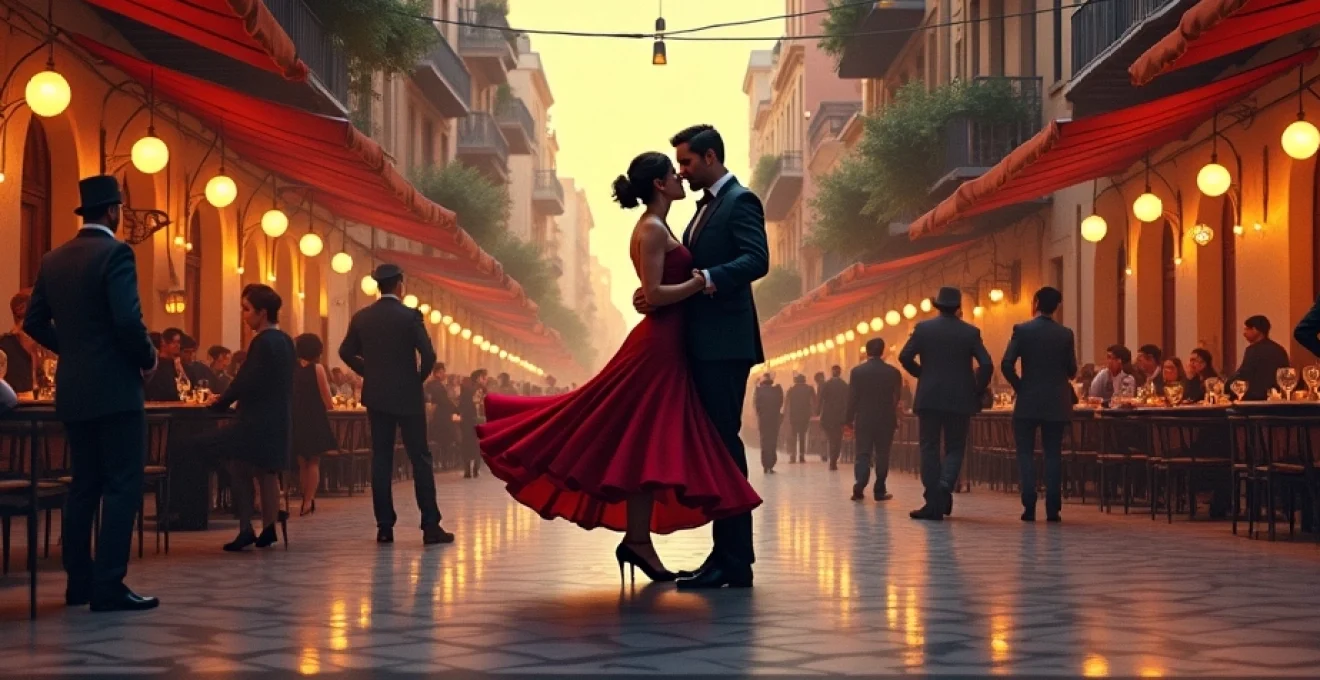
Buenos Aires has emerged as one of the world’s most captivating cultural destinations, seamlessly blending its passionate tango heritage with an extraordinary culinary renaissance. The Argentine capital’s cobblestone streets pulse with the rhythm of milongas while its restaurants showcase both traditional asado techniques and innovative gastronomic artistry. This dynamic metropolis attracts millions of visitors annually who come to experience authentic tango performances in historic neighborhoods and savor world-class cuisine that ranges from neighborhood parrillas to Michelin-starred establishments. The city’s cultural tourism sector has experienced remarkable growth, with tango and food tourism generating substantial economic impact across Buenos Aires’ diverse barrios.
Historical evolution of tango dance culture in buenos aires barrios
The evolution of tango dance culture across Buenos Aires represents one of the most fascinating chapters in urban cultural development. Born in the late 19th century from the convergence of African rhythms, European melodies, and indigenous influences, tango emerged from the working-class neighborhoods along the Rio de la Plata. The dance initially faced significant social stigma, relegated to the margins of society in brothels, bars, and immigrant tenements. However, tango’s magnetic appeal gradually transcended class boundaries, ultimately becoming Argentina’s most recognizable cultural export and a UNESCO-recognized Intangible Cultural Heritage.
Each neighborhood in Buenos Aires developed its own distinctive approach to tango, creating a rich tapestry of styles and traditions that persist today. The dance evolved from its humble origins into sophisticated artistic expression, with each barrio contributing unique elements to the overall tango lexicon. Professional dancers, musicians, and composers emerged from these communities, establishing Buenos Aires as the undisputed global capital of tango culture.
San telmo’s milonga traditions and domingo de tango festival heritage
San Telmo stands as the spiritual birthplace of tango, where cobblestone streets echo with the sounds of bandoneóns and the whisper of dancing feet. The neighborhood’s Plaza Dorrego hosts the renowned Domingo de Tango , a weekly celebration that transforms the historic square into an outdoor milonga. Local dancers perform spontaneous exhibitions while tourists and residents alike participate in impromptu lessons, creating an authentic cultural exchange that has remained largely unchanged for decades.
The traditional milongas of San Telmo follow strict social protocols, including the cabeceo invitation system where dancers make eye contact across the room to request a dance. Historic venues like Bar Sur and El Viejo Almacén maintain these customs, offering visitors glimpse into tango’s golden age atmosphere. The neighborhood’s milonga culture operates on a unique schedule, with afternoon sessions for older dancers and late-night events that continue until dawn.
La boca’s caminito street performance legacy and tourist integration
La Boca’s colorful Caminito street has become synonymous with tango’s visual identity, where brightly painted houses provide the backdrop for daily street performances. The neighborhood’s Italian immigrant heritage heavily influenced tango’s development, contributing the passionate emotional expression that characterizes the dance. Professional street performers maintain high artistic standards while engaging tourists in interactive experiences that preserve tango’s accessibility and spontaneity.
The integration of tourism with authentic cultural practice in La Boca represents a successful model for preserving tradition while generating economic opportunities. Local dance companies perform regularly scheduled shows that blend traditional tango salon style with theatrical presentations. The neighborhood’s unique approach allows visitors to experience tango in its natural urban environment rather than sterile tourist venues.
Barracas underground tango scene and contemporary choreographic innovation
Barracas harbors Buenos Aires’ most experimental tango scene, where young choreographers push traditional boundaries while respecting the dance’s fundamental principles. Underground venues host late-night milongas that attract serious dancers seeking to explore tango nuevo and fusion styles. These experimental spaces serve as laboratories for choreographic innovation, where elements from contemporary dance, theater, and even electronic music blend with classic tango structures.
The neighborhood’s industrial architecture provides unique venues for tango performances, with converted warehouses and factories offering expansive dance floors and dramatic atmospheres. Contemporary tango companies based in Barracas have gained international recognition for their innovative approaches while maintaining connection to traditional Argentine themes and musical arrangements.
Palermo’s Neo-Tango movement and Electro-Tango fusion development
Palermo’s trendy neighborhoods have embraced tango evolution through the neo-tango movement, which incorporates electronic elements and modern choreographic concepts. Young porteños frequent venues like La Viruta, where traditional milongas alternate with electro-tango nights featuring DJ sets that blend classic recordings with contemporary remixes. This neighborhood attracts international tango enthusiasts seeking to experience the dance’s cutting-edge development.
The fusion of electronic music with traditional tango arrangements has created entirely new sub-genres within the art form. Palermo’s music producers and DJs collaborate with classical tango musicians to create soundscapes that appeal to younger generations while preserving the dance’s essential character. These innovations ensure tango’s continued relevance in contemporary Buenos Aires culture.
Michelin-starred restaurants and culinary excellence in buenos aires
Buenos Aires has established itself as South America’s gastronomic capital, earning international recognition through innovative restaurants that blend traditional Argentine techniques with contemporary culinary artistry. The city’s fine dining scene showcases exceptional creativity while honoring the rich culinary heritage that defines porteño food culture. World-renowned chefs have chosen Buenos Aires as their creative playground, establishing restaurants that compete with the finest establishments globally.
The pursuit of culinary excellence in Buenos Aires extends beyond individual restaurants to encompass a comprehensive approach to ingredient sourcing, technique refinement, and service standards. Local culinary schools produce exceptionally trained chefs who understand both traditional Argentine cooking methods and international fine dining principles. This combination has resulted in a dining scene that offers unique experiences unavailable anywhere else in the world.
Don julio parrilla’s Dry-Aged beef techniques and malbec pairings
Don Julio represents the pinnacle of traditional parrilla culture elevated to fine dining standards, where dry-aged beef techniques produce extraordinary flavor profiles that distinguish Argentine steak from global competitors. The restaurant’s aging process involves hanging premium cuts for 21 to 45 days in temperature-controlled chambers, allowing natural enzymes to break down muscle fibers while concentrating flavors. This meticulous approach results in steaks with unparalleled tenderness and complex taste profiles that showcase Argentina’s exceptional cattle quality.
The establishment’s Malbec pairing program features carefully selected wines from Argentina’s premier vineyards, with sommeliers providing detailed explanations of how specific wine characteristics complement different cuts of beef. Each pairing considers factors such as tannin structure, acidity levels, and fruit intensity to enhance the dining experience. The restaurant’s wine cellar contains over 500 Argentine labels, representing the finest expressions of Mendoza, Salta, and other significant wine regions.
Tegui’s molecular gastronomy approach and chef germán martitegui’s innovation
Tegui pioneered molecular gastronomy techniques in Buenos Aires, introducing scientific cooking methods that transform traditional Argentine ingredients into unexpected textures and presentations. The restaurant’s tasting menus feature dishes that challenge diners’ preconceptions about familiar flavors through innovative techniques such as spherification, gelification, and liquid nitrogen applications. Each course represents hours of research and experimentation to achieve perfect balance between creativity and flavor integrity.
The establishment’s approach to Argentine cuisine involves deconstructing classic dishes and rebuilding them using modern techniques while preserving essential flavor components. Empanada caviar pearls and dulce de leche foam presentations exemplify this philosophy, where traditional tastes appear in revolutionary formats. The restaurant’s laboratory kitchen allows continuous experimentation with new techniques and ingredient combinations.
Elena restaurant’s contemporary argentine cuisine at four seasons hotel
Elena Restaurant at the Four Seasons Hotel Buenos Aires showcases contemporary Argentine cuisine through refined presentations that honor traditional flavors while incorporating international influences. The restaurant’s menu changes seasonally to highlight the finest local ingredients, from Patagonian lamb to Mendoza vegetables, prepared using classical French techniques adapted to Argentine tastes. Executive chefs collaborate with local producers to source exceptional ingredients that meet the restaurant’s exacting quality standards.
The dining room’s elegant atmosphere complements the sophisticated menu, with service standards that match the world’s finest hotel restaurants. Elena’s wine program features an extensive collection of Argentine wines alongside carefully selected international bottles, with sommelier-guided tastings that educate diners about Argentina’s diverse wine regions and grape varieties.
Chila’s riverfront fine dining and soledad nardelli’s culinary philosophy
Chila occupies a prestigious location in Puerto Madero, offering riverfront fine dining that emphasizes fresh seafood and innovative vegetable preparations. Chef Soledad Nardelli’s culinary philosophy centers on showcasing Argentine ingredients through techniques that highlight natural flavors rather than masking them with excessive manipulation. The restaurant’s menu reflects seasonal availability while maintaining consistent quality standards that have earned critical acclaim from international food critics.
The establishment’s commitment to sustainability extends to partnerships with local fishermen and organic farmers who supply ingredients that meet strict quality and environmental criteria. Nardelli’s approach to menu development involves extensive research into traditional Argentine cooking methods, which she then adapts using contemporary presentation techniques and flavor pairing principles.
Traditional parrilla culture and asado cooking methodologies
Traditional parrilla culture represents the heart of Argentine culinary identity, where asado cooking techniques have been refined over generations to achieve perfect balance between fire, meat, and timing. The art of asado extends far beyond simple grilling, encompassing complex understanding of heat management, cut selection, and social ritual that defines Sunday gatherings throughout Argentina. Master parrilleros spend years developing intuitive skills that allow them to control cooking temperatures using only wood positioning and airflow manipulation.
Buenos Aires parrillas maintain these traditional methods while adapting to urban constraints and changing consumer preferences. Neighborhood parrillas serve as community gathering places where families celebrate special occasions and friends maintain social connections over perfectly grilled meat. The cultural significance of asado extends beyond mere dining to encompass Argentina’s relationship with its agricultural heritage and gaucho traditions.
Carbon de leña grilling techniques and temperature control systems
Carbon de leña (wood charcoal) grilling represents the foundation of authentic Argentine asado, where specific wood types impart distinct flavors to grilled meats. Traditional parrilleros prefer quebracho colorado wood, which burns slowly and produces consistent heat while adding subtle smoky notes that complement beef’s natural flavors. The conversion of wood to charcoal requires careful timing and temperature monitoring to achieve the proper consistency for sustained grilling sessions.
Temperature control in traditional parrillas relies on mechanical systems rather than gas controls, with adjustable grill heights and strategic coal positioning allowing precise heat management. Experienced parrilleros develop hand-sensing techniques to judge cooking temperatures without thermometers, using palm proximity tests and visual coal indicators to determine optimal grilling conditions. This traditional approach produces superior flavor profiles compared to gas grilling methods.
Bife de chorizo cut selection and aging processes in buenos aires
Bife de chorizo represents Argentina’s most prized steak cut, equivalent to New York strip but with superior marbling due to grass-fed cattle and specific breeding practices. Buenos Aires butchers maintain exacting standards for bife de chorizo selection, choosing cuts with optimal fat distribution and proper aging potential. The aging process involves hanging whole sides of beef in temperature-controlled environments for periods ranging from 14 to 28 days, depending on desired tenderness and flavor concentration.
Quality bife de chorizo exhibits consistent thickness, minimal connective tissue, and characteristic marbling patterns that indicate proper aging. Buenos Aires parrillas often display aging beef in glass-fronted coolers, allowing customers to observe the meat’s condition and select specific cuts. This transparency builds trust between parrilleros and customers while educating diners about quality indicators in premium beef.
Morcilla and chorizo preparation methods across neighborhood parrillas
Morcilla (blood sausage) and chorizo preparation varies significantly across Buenos Aires neighborhoods, with each area maintaining distinct recipes and preparation techniques passed down through immigrant communities. Italian-influenced neighborhoods favor chorizo with fennel and wine additions, while Spanish areas prefer paprika-heavy versions that reflect Iberian traditions. Traditional morcilla preparation involves careful blood-to-fat ratios and rice or bread filler proportions that create proper texture and flavor balance.
Neighborhood parrillas often specialize in particular sausage styles, developing reputations for exceptional chorizo criollo or sweet morcilla varieties. The grilling techniques for these sausages require different approaches than beef cuts, with lower temperatures and longer cooking times necessary to achieve proper internal temperatures while preventing casing rupture. Many parrillas prepare their sausages fresh daily, maintaining quality control over ingredients and seasoning levels.
Chimichurri recipe variations and regional herb sourcing practices
Chimichurri sauce variations reflect regional preferences and ingredient availability, with Buenos Aires parrillas maintaining closely guarded recipes that distinguish their offerings from competitors. Traditional chimichurri combines parsley, garlic, oregano, red wine vinegar, and olive oil in proportions that balance acidity with herb intensity. Some establishments add cilantro, red pepper flakes, or lemon juice to create signature variations that complement their specific meat preparations.
Herb sourcing practices significantly impact chimichurri quality, with premium parrillas maintaining relationships with local suppliers who provide fresh herbs harvested within 24 hours of use. The preparation method affects final flavor profiles, with hand-chopped herbs producing different textures and oil absorption rates compared to food processor methods. Many parrillas prepare chimichurri fresh throughout service to maintain optimal flavor and color intensity.
Professional tango instruction and milonga social dancing protocols
Professional tango instruction in Buenos Aires maintains exceptionally high standards through a comprehensive teaching methodology that emphasizes both technical precision and cultural understanding. Master instructors, many of whom learned from tango’s golden age performers, pass down traditional techniques while adapting to contemporary learning preferences. The city’s tango schools offer structured programs ranging from beginner workshops to advanced masterclasses, ensuring students develop proper foundational skills before attempting complex sequences.
Milonga social dancing protocols create structured environments where dancers of all skill levels can participate safely and enjoyably. These unwritten rules govern everything from invitation procedures to floor navigation, creating a sophisticated social system that has evolved over decades. Understanding these protocols becomes essential for anyone seeking to participate authentically in Buenos Aires’ tango community, whether as a casual tourist or serious dance student.
The integration of professional instruction with social dancing opportunities allows students to apply classroom learning in real-world settings. Buenos Aires offers unique advantages for tango education, with daily milongas providing practice venues and master instructors available for private lessons. This immersive environment accelerates learning while ensuring students develop authentic tango style rather than simplified tourist versions.
Professional tango instruction encompasses multiple dance styles within the broader tango family, including tango salon , tango milonguero , and tango nuevo . Each style requires specific techniques and cultural understanding, with instructors specializing in particular approaches based on their training and performance backgrounds. Students benefit from exposure to multiple styles, developing versatility that enhances their social dancing abilities and cultural appreciation.
Wine tourism integration with mendoza province malbec routes
Wine tourism integration between Buenos Aires and Mendoza Province creates comprehensive experiences that combine urban gastronomy with vineyard exploration. Many Buenos Aires restaurants maintain direct relationships with Mendoza wineries, offering curated wine dinners that feature specific vintages paired with dishes designed to complement particular grape varieties. These collaborations educate diners about Argentine wine production while supporting both urban restaurants and rural vineyards through coordinated marketing efforts.
The proximity of Mendoza to Buenos Aires, accessible via short flights or scenic drives, makes wine tourism integration practical and appealing to international visitors. Tour operators design itineraries that begin with Buenos Aires restaurant experiences and continue with vineyard visits, harvest participation, and winemaker meetings. This seamless connection allows tourists to understand Argentine wine culture from grape to glass while supporting multiple sectors of the tourism economy.
Buenos Aires wine bars and restaurants serve as educational platforms for Mendoza wine appreciation, with sommeliers providing detailed information about specific vineyards, winemaking techniques, and vintage characteristics. Many establishments offer Argentine wine flights that showcase different regions and grape varieties, preparing visitors for more informed vineyard experiences. This educational approach enhances wine tourism value while building long-term relationships between urban consumers and rural producers.
Seasonal wine events coordinate between Buenos Aires venues and Mendoza wineries to celebrate harvest seasons, new releases, and special vintages. These events often feature winemaker visits to Buenos Aires restaurants, allowing urban diners to meet the people behind their favorite wines. Such collaborations strengthen the connection between urban and rural Argentine culture while providing authentic experiences that distinguish Argentine wine tourism experiences beyond simple beverage consumption.
Cultural tourism economic impact on buenos aires hospitality sector
Cultural tourism centered on tango and gastronomy generates substantial economic impact across Buenos Aires’ hospitality sector, with visitor spending supporting thousands of jobs in restaurants, hotels, performance venues, and related services. Recent economic data indicates that cultural tourists spend approximately 40% more per day than general leisure travelers, with extended stays averaging 5-7 days compared to typical 3-4 day city breaks. This increased spending benefits not only major attractions but also neighborhood businesses, from small parrillas to independent tango schools, creating a distributed economic effect throughout the city’s diverse barrios.
The hospitality sector has adapted to meet cultural tourism demands through specialized services and authentic experiences that command premium pricing. Hotels offer tango lesson packages, restaurant partnerships, and cultural concierge services that enhance guest experiences while generating additional revenue streams. Many establishments have invested in staff training to provide knowledgeable guidance about local tango venues and restaurant recommendations, positioning themselves as cultural ambassadors rather than mere accommodation providers.
Employment opportunities within Buenos Aires’ cultural tourism sector encompass traditional hospitality roles alongside specialized positions such as tango instructors, cultural tour guides, and culinary experience coordinators. The sector’s growth has created career pathways for local residents to monetize their cultural knowledge and artistic skills. Professional tango dancers supplement performance income through teaching private lessons to tourists, while experienced parrilleros command higher salaries due to increased demand for authentic asado experiences.
International recognition of Buenos Aires as a premier cultural destination has attracted significant investment in hospitality infrastructure, with boutique hotels, specialized restaurants, and cultural venues receiving both domestic and foreign funding. This investment cycle reinforces the city’s position as South America’s cultural capital while providing economic stability for businesses that depend on cultural tourism revenue. The multiplier effect of cultural tourism spending supports suppliers, artisans, and service providers throughout the Buenos Aires metropolitan area.
Seasonal variations in cultural tourism create both opportunities and challenges for the hospitality sector, with peak periods during Argentine spring and summer generating maximum revenue while winter months require strategic programming to maintain visitor interest. Many venues have developed year-round programming that showcases indoor cultural activities during cooler months, ensuring consistent employment and revenue generation. The integration of cultural tourism with business travel and conference tourism provides additional stability, as corporate visitors often extend stays to experience Buenos Aires’ renowned cultural offerings.
The economic impact extends beyond direct tourism spending to include cultural export opportunities, as visitors often become ambassadors for Argentine tango and cuisine in their home countries. This cultural diplomacy effect generates long-term economic benefits through increased demand for Argentine wine exports, tango instruction in international markets, and repeat visitation. Buenos Aires’ reputation as an authentic cultural destination continues to drive premium pricing across the hospitality sector, ensuring sustainable economic benefits for businesses committed to maintaining traditional Argentine cultural experiences.